
Survive the Untamed Roads: Conquer Portugal’s Wild Southwest on One Bike in Eight Grit-Fueled Days
Most guys map out their week off thinking poolside cocktail, city hustle, or teeing off on a golf course. But honestly, how often do those really leave you dead tired, salt crusted on your arms, with a laughter-filled table booked for nine? That’s where a riding trip flips the script. Southern Portugal—the wild coast untouched between Lisbon and the Algarve—is where you can truly muscle up on an adventure made to wear you out good. Picture this: 378 kilometers over eight days, riding through a landscape that flips from pine forests to rice paddies, then to jagged copper cliffs, finishing off with the sun-drenched beaches at Lagos. It’s a rugged, hearty journey that demands more than a tourist’s meander—it’s for the man ready to challenge himself day after day, with logistics handled by someone else so all you do is ride. If you’re craving a break that leaves you physically satisfied and mentally recharged, this bike tour might just be the enduro your soul’s been begging for. LEARN MORE
Most guys plan a week off around a pool, a city or a golf course.
None of them leaves you properly tired at the end of the day, with salt on your arms and a table booked for nine. A riding trip does, and southern Portugal is one of the best places in Europe to try one.
The coast between the capital and the Algarve stayed wild while the rest of the south got built up. A Bike tour lisbon to algarve with Top Bike Tours Portugal covers about 378 km in eight days, guided or self-guided. Hotels, breakfasts, luggage moves and van support come with it. You ride. Someone else handles the logistics.
What Kind of Week Is This, Really?
Think of it as a long ride with a good dinner at the end of every stage. The daily legs run from 30 to 66 km. That leaves the afternoons free for a swim, a beer in the square or a nap.
The operator grades it easy to moderate. Most of the route is flat, with short, steep climbs that bunch up on the final day into Lagos. Expect tarmac for around two fifths of the distance. A similar share is unpaved track, along the sea or between fields.
The scenery shifts as you go. You start with pine forest and rice paddies near Comporta. Then come fishing villages, cork oak country and the copper cliffs near Carrapateira. The last stretch reaches Cape St. Vincent, the southwest tip of mainland Europe. Lagos then hands you Meia Praia, a 4 km beach, for the final swim.
Do You Need Race Legs for This Ride?
Fitter than a sofa, but nowhere near race shape. If you can ride 50 km on a Saturday and feel fine on Sunday, you have the base. The challenge is doing it day after day, not any single stage.
A rider coming back from a layoff, like the runner who wrote about turning a knee injury into a cycling habit, should give himself two months. Build volume slowly and you arrive with legs that recover overnight.
A simple 6-week plan works for most men:
- Ride three times a week, with one longer ride each weekend.
- Add 10 km to the long ride every week until you reach 60 km.
- Ride two days back to back at least twice before you fly.
- Keep one strength session for legs and core.
- Practice on gravel or a dirt path so loose ground feels normal.
That last point matters more than the distance. Sand near the dunes slows a bike more than any hill on the route. Riders who train smart rather than just hard tend to arrive in better shape than the guys who cram the final fortnight.
What Goes In Your Bag and What Rides In the Van?
Your luggage travels by van from hotel to hotel. During the day you carry only what fits in a small pack or a bar bag. Pack in two piles from the start.
On the bike each day:
- Padded shorts and a fitted jersey, plus a light wind shell for the coast.
- Sunglasses with a strap and a high SPF sunscreen.
- 2 bottles, a snack and a little cash for village cafés.
- A phone mount, with the route GPS the operator provides.
In the bag for the evenings:
- Linen shirts, chinos and one pair of clean leather sneakers.
- A light sweater, because coastal nights cool down fast.
- Sandals and swim shorts for the late-afternoon beach.
Bring your own saddle or pedals only if you would miss them, and test them at home first.
Where Do You Eat and Drink Along the Coast?
This is the part most guys remember longest. The food changes almost as fast as the coastline.
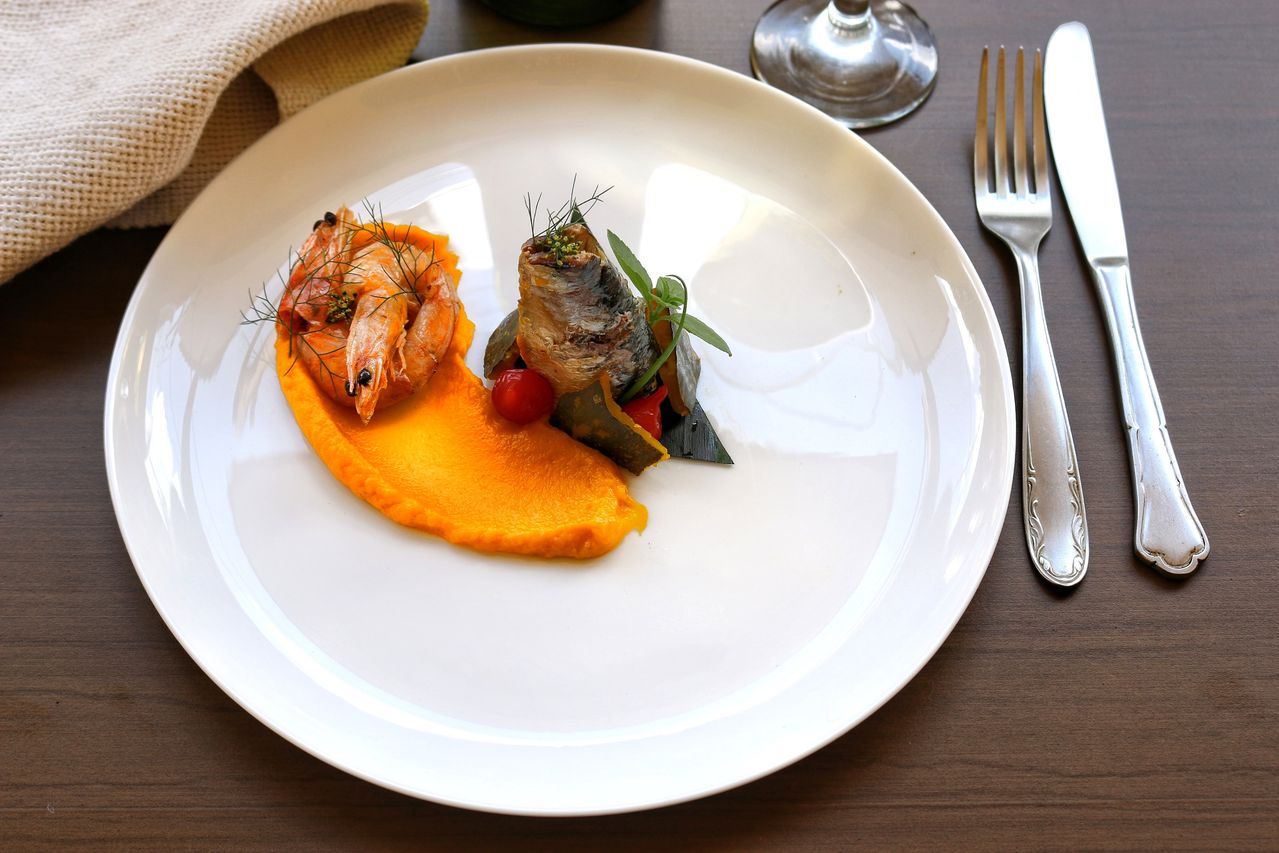
- Comporta and Melides. Rice dishes cooked with seafood, from paddies you ride past that morning.
- Vila Nova de Milfontes. Grilled fish on the river mouth, with a cold glass of white.
- Zambujeira do Mar and Odeceixe. Goose barnacles, a hard-won local delicacy picked from the rocks.
- Sagres and Lagos. Cataplana, a copper-pot stew of clams, pork or fish shared at the table.
The wine is mostly Alentejo, the big region east of the route. Coastal menus pour its whites with fish and its reds with pork. Riders who want a day off the bike can ask about the Alentejo Wine Route, run by the regional wine commission, with its tasting room in Évora.
Pace yourself on the evening glass.
Which Bike Should You Choose for the Ride?
A hybrid is included, and it copes with the dirt sections fine. The question is whether to upgrade. The operator offers gravel, electric and carbon road bikes for an extra fee.
Gravel is the pick for most men who already ride. Wider tires and drop bars handle the sandy tracks and the paved stretches with equal ease. A carbon road bike is quick on asphalt but fights the dirt, which makes up nearly half the route.
An e-bike makes sense for a mixed group. If your partner or a friend rides less than you, electric help keeps the group together on the climbs.
Is the Coast Busy With Other Riders?
Less than you might think. The region’s local trail association, Rota Vicentina, has built a network of routes dedicated to bicycles next to its famous walking paths. Most visitors still come on foot or by car.
On a weekday in spring you can ride for an hour and see only farm trucks and storks. This stretch of coast is known for white storks that nest on the sea cliffs, rather than on church towers.
Frequently Asked Questions About the Lisbon to Algarve Ride
When Is the Best Month to Ride?
Departures skip July, August and September, when the inland heat makes long days hard work. Every other month is on the calendar. Spring brings wildflowers and mild temperatures.
Can You Ride It Without a Guide?
Yes. The self-guided version includes the route on GPS, the hotels, luggage moves and van support. The guided version adds a rider who knows every turn and café.
Is There a Shorter Version of the Ride?
Yes. A reduced option covers 227 km and starts with a van transfer to Sines. It skips the first two stages out of the capital.
What Should a First-Timer Bring From Home?
Padded shorts, cycling gloves and sunglasses top the list. Add your own pedals or saddle only if you have trained on them. Everything else can be rented or bought locally.
Before You Clip In
Book early for spring, since the best weeks fill first. Train on mixed ground, pack in two piles and leave room in the bag for a bottle of Alentejo red. The ride takes eight days. The memory lasts considerably longer.

Hand Crank Radio Emergency Radio with AM/FM/NOAA Weather Band | Wind Up Radio Emergency, LED Flashlights, SOS Function, Solar Powered, USB-C,Hand Cranked, 2000mAh for Emergencies
(as of November 11, 2026 03:37 GMT +00:00 - More infoProduct prices and availability are accurate as of the date/time indicated and are subject to change. Any price and availability information displayed on [relevant Amazon Site(s), as applicable] at the time of purchase will apply to the purchase of this product.)
Purina Pro Plan Complete Essentials Chicken & Rice Dry Dog Food, 35 lb Bag | Shredded Blend crunchy kibble with tender pieces, real chicken as the first ingredient, live probiotics for digestive health
$74.48 (as of November 11, 2026 03:23 GMT +00:00 - More infoProduct prices and availability are accurate as of the date/time indicated and are subject to change. Any price and availability information displayed on [relevant Amazon Site(s), as applicable] at the time of purchase will apply to the purchase of this product.)
reatoy Cat Deterrent Spray for Furniture Protection, Anti Scratch and Urine Marking, Plant-Based Safe Formula for Indoor & Outdoor
$19.99 (as of November 11, 2026 03:26 GMT +00:00 - More infoProduct prices and availability are accurate as of the date/time indicated and are subject to change. Any price and availability information displayed on [relevant Amazon Site(s), as applicable] at the time of purchase will apply to the purchase of this product.)
Apple Watch Ultra 4 GPS + Cellular 49mm Smartwatch | Natural Titanium Case, Translucent Gray Ocean Band - One Size. Advanced Health + Fitness Tracking, 2+ Day Battery
$699.99 (as of November 11, 2026 03:37 GMT +00:00 - More infoProduct prices and availability are accurate as of the date/time indicated and are subject to change. Any price and availability information displayed on [relevant Amazon Site(s), as applicable] at the time of purchase will apply to the purchase of this product.)












Post Comment