
The Hidden Game-Changer in AI-Assisted Hiring: What Every Smart Entrepreneur Must Know Before Taking the Leap

Ever wonder if AI can really pick the perfect hire without turning your recruitment process into a cold, robotic shuffle? You know, the kind where a machine decides your next star employee without a single human hand involved? Well, that’s the million-dollar question that’s shaking up how businesses find talent today. AI-assisted hiring is making waves—speeding up resume screenings, crunching data, and even predicting who might fit your culture, all in a fraction of the time it used to take. Sounds like a dream, right? But here’s the kicker: while these high-tech tools can be game changers, they’re not magic wands. Hiring is still fundamentally a human game — riddled with nuances, gut feelings, and yes, human judgement. If you don’t blend AI smarts with personal insights, you might end up trading efficiency for missed opportunities or worse, unintentional biases. In this fast-evolving landscape, the real win comes from knowing how to harness AI as your savvy assistant—not the boss. Ready to crack the code on AI-assisted hiring done right? LEARN MORE

Key Takeaways
- AI can dramatically improve hiring efficiency, but it should support – not replace – human decision-making.
- The best hiring outcomes come from combining AI-driven screening with structured human evaluation.
- Organizations must actively monitor AI systems for bias, accuracy, and compliance risks.
- Transparency with candidates builds trust and strengthens employer branding.
- Successful AI-assisted hiring focuses on skills, potential, and objective assessment rather than automation alone.
For decades, hiring has been one of the most challenging responsibilities for business leaders. Finding qualified candidates, reviewing hundreds of resumes, scheduling interviews, assessing cultural fit, and making confident hiring decisions often consume enormous amounts of time and resources. For small businesses and large enterprises alike, hiring mistakes can be expensive, disruptive, and difficult to reverse.
Artificial intelligence promises a solution. Today’s AI-powered recruiting platforms can screen resumes, identify qualified candidates, generate interview questions, predict candidate-job fit, analyze skills assessments, and automate communication throughout the recruitment process. What once required weeks of manual effort can now be accomplished in hours.
Yet despite the excitement surrounding AI-powered recruitment, many organizations are discovering that hiring remains fundamentally human. While AI can improve speed and efficiency, poor implementation can introduce bias, overlook exceptional candidates, damage candidate experiences, and create legal or reputational risks.
The future of hiring is unlikely to be fully automated. Instead, the most successful organizations are learning how to combine AI capabilities with human judgment to make smarter, fairer, and more effective hiring decisions.

Here are ten principles for using AI-assisted hiring the right way.
1. Use AI to Augment Human Recruiters, Not Replace Them
One of the most common misconceptions about AI hiring tools is that they can fully replace recruiters or hiring managers. In reality, AI performs best when handling repetitive, data-intensive tasks while humans focus on relationship-building and judgment.
AI can efficiently identify potential candidates, rank applications based on predefined criteria, and streamline administrative workflows. However, assessing character, motivation, communication skills, adaptability, leadership potential, and organizational fit still requires human insight.
The most effective hiring systems position AI as an assistant rather than a decision-maker.
2. Start With Clear Hiring Criteria
AI systems are only as good as the criteria they receive. If organizations lack clear definitions of what success looks like in a role, even the most advanced algorithms will produce inconsistent results.
Before implementing AI screening tools, hiring teams should establish objective qualifications, required skills, preferred experiences, and measurable performance indicators. Clear criteria help ensure that technology evaluates candidates consistently and transparently.
When hiring standards are vague, AI simply automates confusion.
3. Prioritize Skills Over Traditional Credentials
Many organizations continue to rely heavily on educational pedigree, job titles, and years of experience when evaluating candidates. However, these factors do not always predict future performance.
Modern AI platforms increasingly support skills-based hiring by analyzing competencies, assessments, project portfolios, certifications, and demonstrated capabilities. This approach often expands access to talented candidates who may have been overlooked by traditional screening methods.
By focusing on what candidates can actually do rather than where they previously worked, businesses can significantly improve hiring outcomes.
4. Monitor for Bias Continuously
AI does not automatically eliminate hiring bias. In some cases, poorly designed systems can reinforce historical biases embedded within training data or organizational hiring patterns.
Organizations must regularly audit hiring outcomes, candidate demographics, screening recommendations, and rejection rates to identify potential disparities. AI models should be reviewed frequently to ensure fairness across gender, ethnicity, age groups, educational backgrounds, and other protected characteristics.
Bias management is not a one-time exercise – it is an ongoing responsibility.
5. Maintain Transparency With Candidates
Candidates increasingly want to know when AI is being used during the hiring process. Transparency helps build trust and demonstrates organizational integrity.
Businesses should clearly explain how technology supports recruitment decisions, what information is being analyzed, and where human oversight remains involved. Candidates who understand the process are more likely to perceive it as fair and professional.
Transparency also helps organizations comply with emerging regulations governing automated employment decisions.

6. Use Structured Interviews Alongside AI Screening
Once AI identifies promising candidates, structured interviews provide a valuable human validation step.
Rather than relying on unstructured conversations, hiring teams should ask standardized questions aligned with job requirements. Consistent evaluation criteria improve fairness, reduce interviewer bias, and generate more reliable comparisons among candidates.
AI may identify talent efficiently, but structured interviews help confirm whether that talent aligns with organizational needs.
7. Focus on Candidate Experience
Automation can improve efficiency, but excessive automation may create a cold or impersonal experience.
Candidates appreciate timely communication, clear expectations, and meaningful interaction throughout the hiring process. AI-powered messaging tools can help maintain engagement, but human touchpoints remain essential during interviews, final evaluations, and offer discussions.
Organizations that balance efficiency with empathy often attract stronger candidates and strengthen their employer brand.
8. Validate AI Recommendations Against Real Hiring Outcomes
Many organizations implement AI tools without measuring whether recommendations actually improve hiring quality.
Leaders should track performance metrics such as employee retention, productivity, promotion rates, hiring manager satisfaction, and time-to-productivity for candidates selected through AI-assisted processes. These metrics provide valuable feedback regarding algorithm effectiveness.
The ultimate goal is not simply faster hiring – it is better hiring.
9. Protect Candidate Data Responsibly
AI hiring systems often process significant amounts of personal information, including resumes, assessments, employment histories, and communication records.
Businesses must establish strong data governance practices, secure storage systems, access controls, and clear retention policies. Compliance with privacy regulations is becoming increasingly important as governments expand oversight of AI and employment technologies.
Trust can be lost quickly if candidate information is mishandled.
10. Keep Final Decisions Human
Perhaps the most important principle of AI-assisted hiring is preserving meaningful human accountability.
AI can generate recommendations, rankings, and insights, but final hiring decisions should remain with trained human decision-makers. Humans provide context, empathy, ethical reasoning, and nuanced judgment that algorithms cannot fully replicate.
Organizations that maintain human ownership of hiring decisions are generally better positioned to balance efficiency with fairness and accountability.

FAQs
What is AI-assisted hiring?
AI-assisted hiring refers to the use of artificial intelligence technologies to support recruitment activities such as resume screening, candidate sourcing, interview scheduling, skills assessments, and recruitment analytics.
Rather than replacing recruiters, these tools are designed to improve efficiency and help identify qualified candidates more effectively.
Can AI eliminate hiring bias?
Not entirely. AI can reduce certain forms of human bias when designed properly, but it can also inherit biases present within historical data or flawed training models.
Regular audits, human oversight, and fairness testing are necessary to minimize discriminatory outcomes.
Is AI hiring suitable for small businesses?
Yes. Many affordable AI recruiting tools are specifically designed for small and medium-sized businesses. These platforms can help smaller organizations compete for talent by reducing administrative burdens and improving candidate screening efficiency.
The key is selecting tools that match the organization’s size, hiring volume, and budget.
What risks should companies watch for when using AI in hiring?
Common risks include algorithmic bias, inaccurate candidate assessments, privacy concerns, regulatory compliance issues, and overreliance on automation.
Organizations should establish clear governance policies and maintain human involvement throughout the hiring process.
Will AI eventually replace recruiters?
While AI will continue automating repetitive recruiting tasks, it is unlikely to replace recruiters entirely. Hiring involves relationship-building, judgment, negotiation, communication, and cultural evaluation – areas where human capabilities remain essential.
The future of recruitment is likely to be collaborative, with AI handling administrative complexity while humans focus on strategic decision-making.
Conclusion
Artificial intelligence is transforming recruitment at a remarkable pace. From candidate sourcing to screening and assessment, AI offers organizations opportunities to improve efficiency, reduce administrative workload, and uncover talent that might otherwise go unnoticed.
However, successful hiring has never been solely about processing information. It is about understanding people, evaluating potential, and making decisions that shape an organization’s future. These responsibilities require human judgment, empathy, and accountability.
The organizations that benefit most from AI-assisted hiring will not be those that automate everything. They will be the ones that thoughtfully combine technological capabilities with human expertise. By treating AI as a powerful assistant rather than an autonomous decision-maker, businesses can build hiring processes that are faster, fairer, and ultimately more effective.
As recruitment continues to evolve, the question is no longer whether organizations should use AI in hiring. The real question is whether they can implement it responsibly, transparently, and strategically enough to gain its benefits without sacrificing the human elements that make great hiring possible.

Fujifilm Instax Mini Instant Film, 20 Sheets – White Daylight ISO 800 for Instax Mini 13, 12, 11, 41 Cameras –Bundeld with The Tudak Store Microfiber Cleaning Cloth
$32.95 (as of October 20, 2026 03:33 GMT +00:00 - More infoProduct prices and availability are accurate as of the date/time indicated and are subject to change. Any price and availability information displayed on [relevant Amazon Site(s), as applicable] at the time of purchase will apply to the purchase of this product.)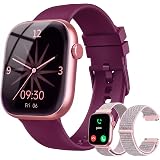
Smart Watch for Women, Bluetooth Answer/Make Calls, 1.83"HD Screen, 2 Bands | IP67 Waterproof Fitness Tracker, Heart Rate/Sleep Monitor, DIY Dial, Multi-Sport Modes Pedometer, Smartwatch for iOS/Android
$34.98 (as of October 20, 2026 03:33 GMT +00:00 - More infoProduct prices and availability are accurate as of the date/time indicated and are subject to change. Any price and availability information displayed on [relevant Amazon Site(s), as applicable] at the time of purchase will apply to the purchase of this product.)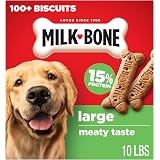
Milk-Bone Original Biscuits Large Dog Treats, 10 Lb.
$14.98 (as of October 20, 2026 03:12 GMT +00:00 - More infoProduct prices and availability are accurate as of the date/time indicated and are subject to change. Any price and availability information displayed on [relevant Amazon Site(s), as applicable] at the time of purchase will apply to the purchase of this product.)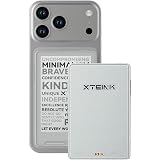
XTEINK X3 3.7" Pocket E-Ink eBook Reader,58g,Magnetic, Mini Ereader Devices | Ultra-thin 0.2" design with magnetic pogo-pin charging, gyroscope page-turn, 16GB storage, and distraction-free reading
$58.65 (as of October 20, 2026 03:33 GMT +00:00 - More infoProduct prices and availability are accurate as of the date/time indicated and are subject to change. Any price and availability information displayed on [relevant Amazon Site(s), as applicable] at the time of purchase will apply to the purchase of this product.)














Post Comment