
The Hidden Risk Lurking in Your Old IT Gear That Could Cripple Your Business Overnight—Are You Prepared?
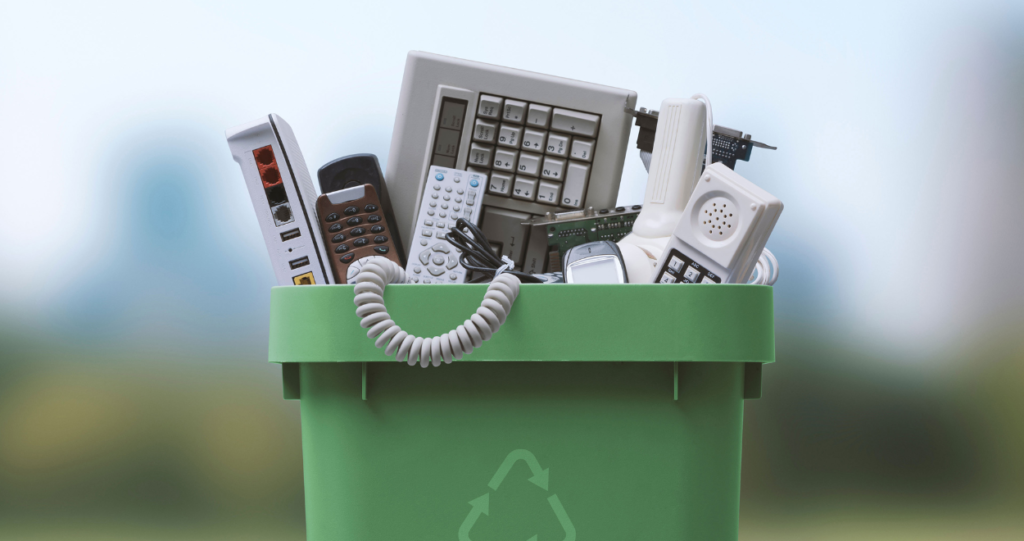
Ever wonder what happens to all those old computers and servers once your business upgrades its tech? It’s a question that rarely crosses the mind in the rush of growth, office moves, or shiny new gadgets arriving. But here’s the kicker—those outdated devices don’t just vanish into thin air; they often carry hidden dangers lurking within their forgotten circuits. Imagine customer data, sensitive files, or login credentials left behind like a ticking time bomb, waiting for the wrong hands to retrieve them. It’s wilder than you think because simply deleting files or tossing equipment in a recycling bin won’t cut it. As entrepreneurs and business leaders, overlooking the responsible disposal of IT assets isn’t just careless—it’s potentially catastrophic. Let’s dive into why managing this “last mile” of your tech lifecycle deserves as much attention as acquiring the newest gear, protecting your data, and maintaining compliance, all while boosting your environmental responsibility and operational efficiency. Buckle up — this is where savvy meets necessity. LEARN MORE
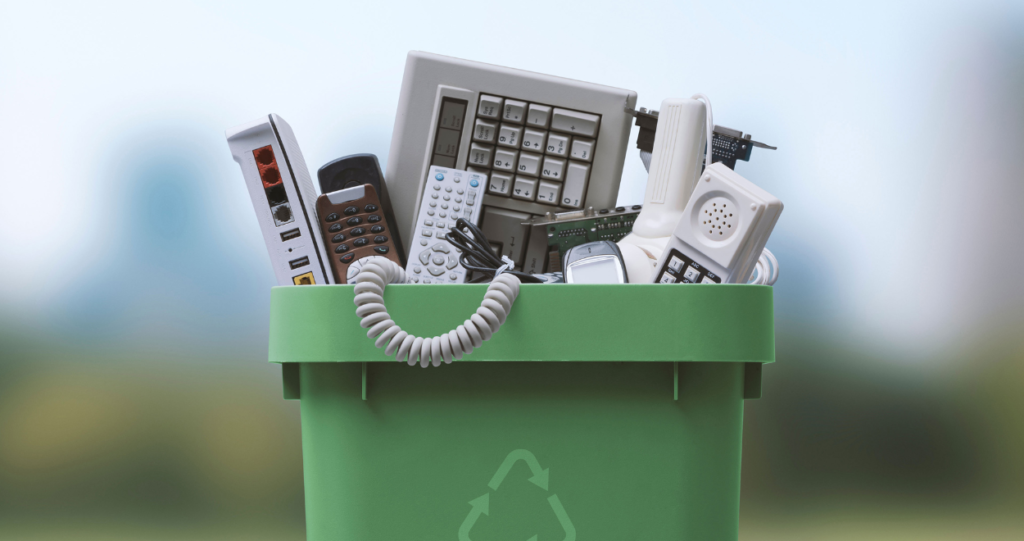
Technology upgrades are a standard part of the corporate life-cycle. When a business grows, offices move, and technology develops, desktops, laptops, servers and any other electronic equipment eventually wear out.
The five potential responsibilities can all be managed. But there is one that is very often forgotten which is what do you do with the devices when you replace them?
Hidden Dangers of Old IT Equipment
While these older computers and servers may have served their purpose and may no longer be able to run your everyday operations, they could have essential data. Information such as customer, financial, employee, sensitive files, and login credentials can be stored on old equipment.
Even damaged or corrupted equipment will likely have retrievable information. Deleting files, reformating a hard drive or throwing equipment in to a recycling bin will not necessarily remove these risks. Deleted data could be retrieved leading to a breach of data, financial penalties and damage to reputation.
So organizations need to protect out-of-service technology just as thoroughly as active devices.
Why Data Security and Compliance are Important
All organizations – regardless of size – have obligations with respect to the data they gather, transmit, and store. These obligations may vary based on the sector a company operates in, and where the organization is based.
If IT assets are improperly disposed of it can raise compliance issues – where a business is unable to confirm that secure data sanitisation was performed.
Having a clear and compliant process in place for disposal aids in mitigating these risks, through asset tracking documentation, proper sanitization and destruction of data where needed.
Records of disposal activity are also valuable records of audit, compliance and accountability.
Establishing a Responsible Process for IT Asset Disposal
Effective technology management should be accompanied by a standard process for managing equipment over its lifespan.
The first step for companies is to track their IT assets properly – including the disposal or renewal of existing devices. When retiring equipment, the individual who’s in charge should mark storage media and define data destruction parameters before it leaves the enterprise.
Do not allow your assets to be mishandled, lost, stolen or damaged from the time they are collected through to final disposition.
Partnering with a qualified provider with a certified IT asset disposition services can assist your business in handling these duties with mandated processes, documented data destruction, and proper recycling of the equipment.
ECycle Solutions is an example of a company that offers a solution to companies who require certified and auditable disposal of IT assets.
Environmental Responsibility and Business Efficiency
Responsible IT disposal helps contribute towards this. Electronic equipment has components that could be reused and recycled. Recycling ensures that electronic components do not end up in inappropriate waste streams and helps avoid unnecessary waste.
Where feasible, reuse of equipment, through refurbishment, can also add value to existing technology investments.
Making IT Disposal Part of Business Planning
Don’t forget retired tech when you move offices, expand your business or plan a upgrade.
With a standard disposal policy, clear responsibilities and dependable documentation, organisations can help reduce security risks and improve efficiency.
Therefore, secure IT disposal is not a technical activity alone. It is an indication of the sense of responsibility of the company towards the protection of the information, their duties and responsibilities.
<!–
–>

blink plus plan with monthly auto-renewal
$11.99 (as of October 25, 2026 03:23 GMT +00:00 - More infoProduct prices and availability are accurate as of the date/time indicated and are subject to change. Any price and availability information displayed on [relevant Amazon Site(s), as applicable] at the time of purchase will apply to the purchase of this product.)
Apple Watch Series 12 GPS 42mm Smartwatch | Light Gold Aluminum Case, Sand Sport Band - S/M. Health + Fitness + Sleep Tracking, Heart Rate, Safety
$389.99 (as of October 25, 2026 03:34 GMT +00:00 - More infoProduct prices and availability are accurate as of the date/time indicated and are subject to change. Any price and availability information displayed on [relevant Amazon Site(s), as applicable] at the time of purchase will apply to the purchase of this product.)
BARK&SPARK No Poo Chews for Dogs - Coprophagia & Stool Eating Deterrent | Probiotics, Digestive Enzymes & Breath Aid Support - Stop Dog Poop Eating - 120 chews
$19.96 (as of October 25, 2026 03:23 GMT +00:00 - More infoProduct prices and availability are accurate as of the date/time indicated and are subject to change. Any price and availability information displayed on [relevant Amazon Site(s), as applicable] at the time of purchase will apply to the purchase of this product.)
Organic Banana Bunch (4-5 Count)
(as of October 25, 2026 03:13 GMT +00:00 - More infoProduct prices and availability are accurate as of the date/time indicated and are subject to change. Any price and availability information displayed on [relevant Amazon Site(s), as applicable] at the time of purchase will apply to the purchase of this product.)













Post Comment