
The Hidden Truth About Ice Therapy: Is It Sabotaging Your Injury Recovery Without You Knowing?
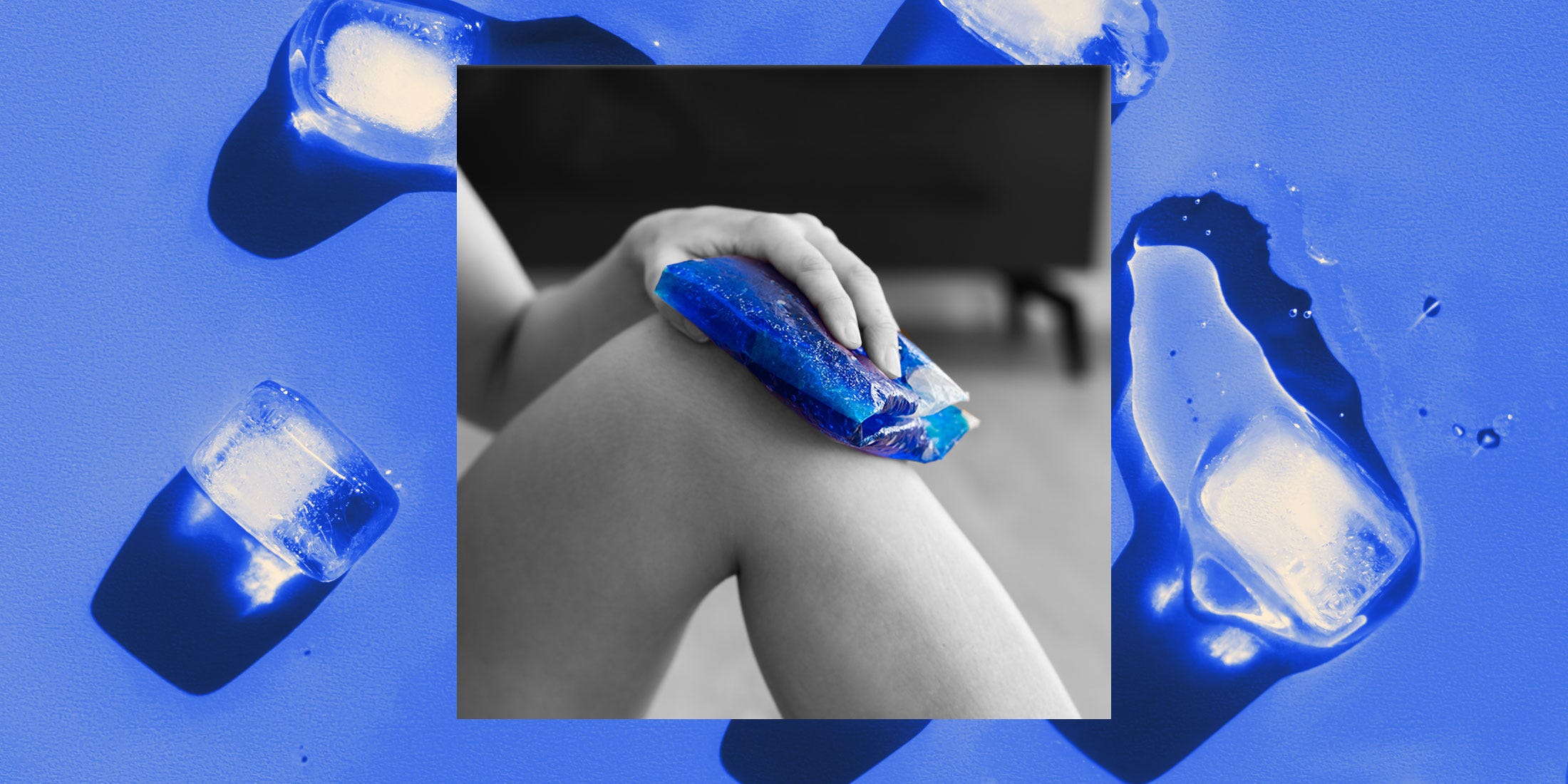
So, here’s a curveball for all you dedicated ice-pack aficionados: what if the very thing you’ve been slapping on that painful ankle or sore knee might actually be putting the brakes on your healing? Yeah, I know — sounds bonkers. For years, icing has been the go-to move after an injury, right? Ice reduces swelling, numbs the hurt, and seems like an instant fix. But hold up—new preclinical mouse research is tossing a wrench into that tradition, suggesting that icing might actually extend recovery time by meddling with inflammation—the very process that helps our bodies heal. It’s a little like trying to speed up a car by constantly hitting the brakes. Now, before you toss your ice packs out, it’s crucial to remember this study was on mice, and science loves complexities. Still, it’s stirring the pot enough that experts say it’s worth reconsidering exactly when and how long you ice those boo-boos. So, ready to challenge some long-held beliefs and maybe rethink your injury protocol? Let’s dive deeper. LEARN MORE
 3 min read
A new preclinical study done on mice suggests that icing injuries might actually slow recovery.
Experts say that the debate about icing isn’t new. There’s some instances where icing can help (to decrease swelling) but it’s also suggested icing reduces inflammation which may be tied to healing.
If you do want to ice an injury afterward, experts say to aim for around 10 to 20 minutes at a time.
It’s pretty standard practice to put some ice on an injury after it happens. But while you’ve probably been doing this for years, new preclinical research suggests icing could interfere with recovery.
Turns out, this isn’t a new idea. “The debate of whether to ice or not to ice is longstanding,” explains Natasha Trentacosta, MD, sports medicine specialist and orthopedic surgeon at Cedars-Sinai Orthopaedics in Los Angeles and team orthopedist for Angel City FC.
Before we get any further, it’s important to note a few things about the latest research: This is a preclinical study—meaning, it’s not a full-blown study—and it was also done on mice. That makes it tough to say that you should skip the ice pack the next time you twist your ankle. But still, here’s what the latest news suggests and why doctors say this is something to at least consider when treating future injuries.
Meet the experts: Lucas Vasconcelos Lima, PhD, study co-author and research associate at The Alan Edwards Centre for Research on Pain at McGill University; Kyle Lau, MD, primary care sports medicine fellow and team physician for UCLA Athletics; and Natasha Trentacosta, MD, sports medicine specialist and orthopedic surgeon at Cedars-Sinai Orthopaedics in Los Angeles and team orthopedist for Angel City FC.
What did the study find?
The study, which was published in Anesthesiology, analyzed the impact of cryotherapy (aka icing) on injured mice. The cryotherapy was applied to the injured mice over three days.
Researchers observed that the cryotherapy seemed to draw out the amount of time the injured mice were in pain—from about 15 days to more than 30 days. The researchers also found that different therapies, such as using heat, menthol, and alternating hot and cold, did not help the pain go away.
As a result, the researchers wrote that “the use of cryotherapy should be reconsidered for the management of acute inflammatory injury.”
Why might icing slow healing?
It’s important to reiterate that this was done in mice, not humans. Because mice can’t talk or report pain, researchers relied on behavioral indicators of pain sensitivity to gauge pain. As for why icing might slow healing, there are a few theories on what could be behind this.
“Icing reduces local blood flow and inflammatory activity,” explains Lucas Vasconcelos Lima, PhD, study co-author and research associate at The Alan Edwards Centre for Research on Pain at McGill University. “The inflammatory response is part of the healing process.” By blocking inflammation with ice, you may be interfering with your body’s recovery process and thus draw out the pain, he says.
Kyle Lau, MD, a primary care sports medicine fellow and team physician for UCLA Athletics, co-signs this. “The inflammatory cascade initiates recovery following an injury, and delays in this may lead to prolonged pain,” he says.
Why has icing been traditionally so recommended?
Icing isn’t worthless, Trentacosta says. Icing has long been recommended because it’s a vasoconstrictor—meaning, it helps to narrow blood vessels, she says. “This decreases swelling and bleeding to an area in that immediate injury phase,” she explains. “Swelling can have its own negative effects by prolonging pain, so the goal of decreasing swelling to an injured region may be beneficial.”
When you let swelling go unchecked, it can put more pressure on an injured area, Lau says. That can limit your mobility and mess with oxygen delivery to your tissues, making recovery harder, he explains.
Not to mention, icing can also temporarily numb an area, making you feel better when you’re injured, Trentacosta says.
When should you ice an injury and when should you not ice an injury?
That’s still being parsed out. “Icing may be most beneficial within the first six hours of an injury to treat pain,” Lau says. “However, icing after 12 hours post-injury may interfere with tissue healing.”
Trentacosta says she still recommends icing right after an injury. When you do this, Lau suggests icing for 10 to 20 minutes at a time. “A bag of ice surrounded by a damp cloth is an effective way to cool tissue,” he says. “Be cautious and do not apply ice directly to skin or for too long as that can increase the risk of developing frostbite.”
But Trentacosta stresses that you shouldn’t ditch icing an injury in the future. “Icing and cryotherapy still have a role in helping pain and swelling,” she says.
Korin Miller is a freelance writer specializing in general wellness, sexual health and relationships, and lifestyle trends, with work appearing in Men’s Health, Women’s Health, Self, Glamour, and more. She has a master’s degree from American University, lives by the beach, and hopes to own a teacup pig and taco truck one day.
Carina Hsieh, MPH, is the deputy features editor of Women’s Health. She has more than a decade’s worth of experience working in media and has covered everything from beauty, fashion, travel, lifestyle, pets, to health.
She began her career as an intern in the fashion closet at Cosmopolitan where she worked her way up to Senior Sex & Relationships Editor. While covering women’s health there, she discovered her passion for health service journalism and took a break to get her Masters in Public Health. Post-grad school, she worked as a freelance writer and as The Daily Beast’s first Beauty, Health, and Wellness Reporter.
Carina is an alum of the Fashion Institute of Technology and the Yale School of Public Health. She and her French Bulldog, Bao Bao, split their time between Brooklyn and Connecticut. She enjoys reformer Pilates, (slow) running, and smelling the fancy toiletries in boutique fitness class locker rooms.
Nespresso Vertuo, Barista Flavored Pack, Medium Roast, 30-Count Coffee Pods | Medium-Roast Coffee Capsules, Caramel, roasted hazelnut and sweet vanilla flavors
$42.00 (as of October 23, 2026 03:13 GMT +00:00 - More infoProduct prices and availability are accurate as of the date/time indicated and are subject to change. Any price and availability information displayed on [relevant Amazon Site(s), as applicable] at the time of purchase will apply to the purchase of this product.)
Minties Mint Dental Chews for Dogs, Small Dogs 5-25 lbs, 40 Count | Vet-recommended mint dental bone; scrubs teeth as dogs chew; fights plaque, tartar & bad breath; no soy/wheat/corn
$9.94 (as of October 23, 2026 03:13 GMT +00:00 - More infoProduct prices and availability are accurate as of the date/time indicated and are subject to change. Any price and availability information displayed on [relevant Amazon Site(s), as applicable] at the time of purchase will apply to the purchase of this product.)
Camvivid Stainless Steel Litter Box, Covered with Lid, 17.3x13.4x7.9in, Litter Scoop & Anti-Skid Stickers, High Walls, Odor Free, Non-Stick, Low Entry, Easy Clean for Kitten Multi-Cat Indoor Home
$22.98 (as of October 23, 2026 03:23 GMT +00:00 - More infoProduct prices and availability are accurate as of the date/time indicated and are subject to change. Any price and availability information displayed on [relevant Amazon Site(s), as applicable] at the time of purchase will apply to the purchase of this product.)
Goldfish Cheddar Cheese Crackers, Baked Snack Crackers, 1 oz On-the-Go Snack Packs, 20 Count Box
$8.76 (as of October 23, 2026 03:13 GMT +00:00 - More infoProduct prices and availability are accurate as of the date/time indicated and are subject to change. Any price and availability information displayed on [relevant Amazon Site(s), as applicable] at the time of purchase will apply to the purchase of this product.)













Post Comment