
The Shocking Truth About Deworming Your Dog: What Every Responsible Pet Owner Must Know Now!
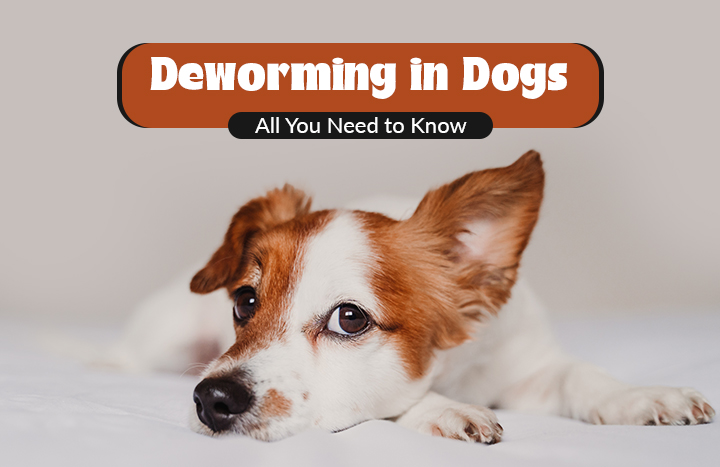
Ever wondered what’s lurking in your dog’s belly that doesn’t come with a wag or a bark? Yep, I’m talking about those sneaky little intestinal worms that nobody really likes to think about—but trust me, they’re a big deal when it comes to your furry friend’s health. If you’re new to this whole dog-parenting gig, it might feel like there’s a million things to tackle—and deworming might just slip down the list. But here’s the thing: keeping your dog worm-free is one of the most important things you can do to make sure they’re happy, healthy, and full of life. It’s not just about tossing a pill; it’s about understanding what these worms are, how they get in there, and why regular deworming is your best weapon against those unwelcome invaders. So, buckle up because this guide will walk you through the ABCs of deworming dogs—with all the nitty gritty details you absolutely need to know!

Parenting a dog involves more than feeding, grooming, and playing with them. An important part of responsible dog care is maintaining their health and helping protect them from intestinal worm infections. If you’re new to dog parenthood and aren’t sure where to start, you’ve come to the right place. In this blog, we’re happy to provide you with a comprehensive guide to deworming in dogs.
Let’s get started!
What is Deworming in Dogs?
Deworming in dogs is the process of treating intestinal worm infections, including those caused by hookworms, roundworms, whipworms, and tapeworms from the dog’s body using vet-approved deworming treatments. The products feature active ingredients that target specific types of intestinal worms and either paralyzes their nervous system or kills them by interfering with their ability to absorb nutrients. The worms may be passed in the dog’s feces after treatment, although they are not always visible.
What are the Different Types of Intestinal Worms in Dogs?
The following are the common types of intestinal worms in dogs.
- Roundworms – 4 to 6 inches
Health Risk – Poor growth, a potbelly, vomiting, and diarrhea.
- Hookworms – 1/8 inch long
Health Risk – Severe Anemia, pale gums, weakness, and diarrhea.
- Tapeworms – Up to 11 inches
Health Risk – Severe itching around the anus with visible worm segments around the anus or feces.
- Whipworms – ¼ inch long
Health Risk – Chronic weight loss and diarrhea that may contain mucus or blood.
How do Dogs Get Intestinal Worms?
Let’s discuss the mode of transmission of different types of intestinal worms.
- Roundworms – Roundworms can be transmitted to puppies from their mothers before birth or while nursing, depending on the species of the worm. Dogs can also become infected by ingesting infective eggs from contaminated environments.
- Hookworms – Dogs can acquire hookworms during their exposure to contaminated soil, ingestion of infective larvae, or through skin penetration. Some hookworm species can also be transmitted to puppies while nursing.
- Tapeworms – Dogs can acquire flea tapeworms by ingesting infected fleas during grooming or while biting and chewing at their coats.
- Whipworms – Whipworms are transmitted to dogs with the ingestion of infective eggs from contaminated soil or feces.
What are the Common Signs of Intestinal Worms in Dogs?
Here are some of the common signs of intestinal worms in dogs.
- Diarrhea
- Vomiting
- Weight loss
- Weakness
- Poor growth
- Dull coat
- Pot-bellied appearance
- Blood, mucus, or worm segments in stool
- Coughing
Why is Regular Deworming Important in Dogs?
Regular deworming in dogs is essential to keep them protected from intestinal worm infections, thus ensuring optimal nutrient absorption and preventing serious conditions like anemia.
The following are the key reasons that make deworming vital in dogs.
Prevents Health Issues
Deworming dogs may protect dogs from worm-induced health issues like internal bleeding, chronic diarrhea, severe weight loss, and vomiting.
Protects Growing Puppies
Puppies can acquire certain roundworms from their mothers before birth or while nursing. If they’re not dewormed on time, the infestation may get severe and lead to poor growth or a pot-bellied appearance.
Controls Nutrient Theft
Intestinal worms can live in your dog’s digestive tract and affect its health in different ways, including by interfering with nutrient absorption or feeding on blood, depending on the parasite. Heavy or ongoing infections may contribute to poor body condition, reduced energy, and a poor coat, particularly in vulnerable dogs and puppies. Therefore, deworming dogs is essential to control such theft of nutrition from your dog’s system.
Protects Your Entire Family
Intestinal worms like hookworms and roundworms are zoonotic and can spread from dogs to humans. Therefore, regular deworming is essential not only to protect your pets but also you and other members of your family.
What are Some of the Most Effective Dewormers for Dogs?
Some of the most effective dewormers for dogs include:
Broad-Spectrum Formulas:
- Heartgard Plus – Protects against intestinal worms and heartworms
- NexGard Spectra – Protects against intestinal worms, fleas, ticks, mites, and heartworms
- Interceptor – Protects against intestinal worms and heartworms
Bottom Line
Intestinal worm infections can be serious for dogs and may cause significant health problems. If not detected and treated on time, the parasites can cause lack of appetite, poor growth, digestive upsets, poor coat condition, and even organ damage. Therefore, regularly deworming your dog ensures that the worms are eliminated from its body, ensuring its overall well-being.
At DiscountPetMart, we carry a wide range of dewormers for dogs. Visit our online store to buy your favorite products at the best prices from the comfort of your home.

CELSIUS Assorted Flavors Official Variety Pack, Functional Essential Energy Drinks, 12 Fl Oz (Pack of 12)
$22.49 (as of November 5, 2026 03:21 GMT +00:00 - More infoProduct prices and availability are accurate as of the date/time indicated and are subject to change. Any price and availability information displayed on [relevant Amazon Site(s), as applicable] at the time of purchase will apply to the purchase of this product.)
HAOYUYAN Sports Bluetooth Headphones, 80Hrs Playtime Wireless Earbuds with LED Power Display, IPX7 Waterproof Earphones for Workout/Running, Noise Canceling Headset Ear Buds(Black)
$22.78 (as of November 5, 2026 03:36 GMT +00:00 - More infoProduct prices and availability are accurate as of the date/time indicated and are subject to change. Any price and availability information displayed on [relevant Amazon Site(s), as applicable] at the time of purchase will apply to the purchase of this product.)
Smart Bark Collar for Large Medium Small Dogs, Rechargeable No-Bark Collar, Stop Barking Collar, 2026 Upgraded Dog Bark Collar with 3 Modes, 7 Sensitivity, Pumpkin Orange
$27.99 (as of November 5, 2026 03:25 GMT +00:00 - More infoProduct prices and availability are accurate as of the date/time indicated and are subject to change. Any price and availability information displayed on [relevant Amazon Site(s), as applicable] at the time of purchase will apply to the purchase of this product.)
Bloom Nutrition Zero Sugar Energy Drink, Apple Crisp, 12oz 12pk | 180mg natural caffeine with prebiotics, green tea extract & lychee for energy, focus and feel-good refreshment.
$24.99 (as of November 5, 2026 03:21 GMT +00:00 - More infoProduct prices and availability are accurate as of the date/time indicated and are subject to change. Any price and availability information displayed on [relevant Amazon Site(s), as applicable] at the time of purchase will apply to the purchase of this product.)














Post Comment