
The Shocking Truth About How Many Steps You REALLY Need to Boost Your Health—Experts Reveal All!

So, here’s a question that’s probably danced through your mind while you’ve been scrolling fitness forums or staring down that pedometer on your wrist: Just how many steps should you really be taking each day? You’ve heard the 10,000-step gospel preached as if it’s some sacred number — influencers flaunting it, apps setting it as the ultimate goal, and even your neighbor’s walking group swears by it. But what if I told you this golden rule might actually be more fluff than fact? It turns out, the magic number we all chase is kinda arbitrary – something coined back in the ’60s with flimsy science to back it up. Thankfully, fresh research is challenging old myths and revealing a surprisingly more attainable sweet spot for your daily march. Whether you’re just starting out or looking to fine-tune your routine, understanding how many miles fit your lifestyle—not some one-size-fits-all ideal—could be a game-changer for your health and motivation. So, lace up — let’s dive into what the experts really say about stepping smart, not just stepping more.
 5 min read
Pretty much everyone has an opinion on how many steps you should take in a day. My Oura ring sets a goal based on how much rest I got the night before, while influencers online always seem to be peddling the magical 10,000-step count.
And it’s not just influencers. At this point, we’ve all heard about the 10,000-step rule, whether it’s something your mom’s walking group aims for, your high-achieving friend hits like clockwork, or a goal you feel internal pressure to hit.
But as turns out, this number is more arbitrary than you think. Though the 10,000 steps rule of thumb—which shakes out to about five miles—has been around since the 1960s, there’s little evidence that it should be your target, according to a 2022 review in The Lancet.
Luckily, there is some newer research that helps clarify what an ideal step goal is, and spoiler alert: It’s lower than 10,000 per day. Here’s how to determine how much you should actually walk per day, according to experts.
Meet the experts: Alexander Rothstein, CSCS, ACSM-EP, is an exercise physiologist and instructor for the exercise science program at the New York Institute of Technology. Laura A. Richardson, PhD, is a professor of applied exercise science and movement science at the University of Michigan School of Kinesiology.
How Many Miles You Should Walk per Day for Overall Well-Being
On the low end, anything above 2,200 steps (which is roughly over a mile) was associated with lower mortality and cardiovascular disease, according to a 2024 study in the British Journal of Sports Medicine. Remember: Any movement is better than nothing, and for people who are just starting out, the payoffs of shorter distances can be huge.
But, if you want a step count to actually aim for, the most recent research suggests it should be around 7,000. Per a 2025 meta review in the Lancet Public Health that analyzed data from 88 different studies, 7,000 steps every day is enough to reduce your risk of dementia, cancer, type 2 diabetes, and depression, particularly when compared to people who walk 2,000 steps a day. Even more interesting? Additional steps beyond 7,000 only saw marginal benefits.
One thing to keep in mind is that the CDC recommends that adults get 150 minutes of moderate- to vigorous-intensity exercise per week, so if walking is your main form of exercise, you want to make sure that you’re hitting this number of minutes—no matter what the mileage is, says Alexander Rothstein, CSCS, an exercise physiologist and instructor for the exercise science program at the New York Institute of Technology.
This might mean walking for about 22 minutes every single day or for 30 minutes, five days a week. Since time is what matters here and everyone walks at a different pace, there’s a range of how many steps and miles this would shake out to.
Another thing that’s non-negotiable is making sure your walks fall into that moderate- to vigorous-intensity range. Your heart rate should be elevated and your breathing a little heavy, to make sure you’re really getting the cardio benefits of a walk instead of just taking a leisurely saunter.
Join WH+ to Get the 4-Week Walking Plan That Burns Fat and Builds Muscle
Something else experts want you to consider is that when it comes to walking for better health, frequency is also super important. “With walking, you’re looking for this to be as many days of the week as you can,” says Laura A. Richardson, PhD, a professor of applied exercise science at the University of Michigan. It’s all about finding a step count that’s sustainable—as in, it won’t leave you dreading going on your daily walk—which will be different for everybody based on their fitness level. Start with fewer miles and then increase over time.
Aim for: anywhere between 2,000 and 7,000 steps per day—which is between one and three and a half miles. Keep in mind that the total time, intensity, and frequency of your walks are also important.
How Many Miles You Should Walk per Day for Weight Loss, Specifically
Fat loss requires a calorie deficit—a.k.a., burning more calories than you’re taking in (more on how to calculate that number, here). So, answering this question really comes down to energy expenditure, both experts agree. Increasing distance or intensity are both ways to turn up the amount of energy you’re using on a walk, so it’s critical to take those factors into account if you want to maximize the weight loss potential of your walk. One 2018 study in Obesity found that 10,000 steps did enhance weight loss, especially if 3,500 of those steps were performed at a higher intensity.
Keep in mind: So many other factors like genetics, nutrition, and environment significantly contribute to someone’s ability to lose weight (more on that, here!), so it’s not as simple as adhering to a step count. One benefit of walking for weight loss is that it’s a low-impact option that’s gentle on the body, making it a more sustainable option.
Aim for: closer to two miles (and up to five) at a higher-intensity speed. But remember that walking alone might not be enough to see weight loss results, and strength training and nutrition are key.
Expert Tricks for Getting More Miles in Every Day
Focusing on breaking up sedentary time, or the time that you spend not moving, also has important health benefits that might be more important than your total distance walked per day, Rothstein says. One small 2024 study in Medicine & Science in Sports & Exercise found that people who got up and walked for just 5 minutes after 30 minutes of sitting were more likely to have lower blood pressure and lower blood sugar.
Plus, “micro-walks,” or walking in short bursts throughout the day, were found to use more energy than walking the same distance all at once in a 2024 Proceedings of the Royal Society B study. They demand more of your metabolism and can improve circulation, mental health, and digestive health when spaced out, per previous WH reporting.
Tips to increase your step count throughout the day, according to experts:
- Wear a device that counts your steps so you can keep track of your goals.
- Keep items you reach for all day in another room so you have to get up, like keeping your phone plugged in far from your workspace or bed.
- Set reminders on your phone to stretch your legs throughout the day.
- Keep an under-desk treadmill handy for TV watching, phone calls, or breaks. (They’re just not ideal for anything that requires intense mental focus, says Rothstein.)
- Take a quick walk during your lunch break.
- Park your car farther away from your destination.
- Opt to take the stairs.
- Prioritize “micro walks” by taking a 5-minute walking break after every 30 minutes or so of sitting.
How to Make Your Walks More Challenging
The main elements you can change to increase intensity are speed and incline, says Rothstein. These will increase the workout for your heart and burn more calories. But, there are a few other ways to get your heart pumping harder on a walk.
Additional ways to make a walk more challenging, per experts:
Olivia Luppino is an associate editor at Women’s Health. She spends most of her time interviewing expert sources about the latest fitness trends, nutrition tips, and practical advice for living a healthier life. Olivia previously wrote for New York Magazine’s The Cut, PS (formerly POPSUGAR), and Salon, where she also did on-camera interviews with celebrity guests. She recently ran the New York City Marathon.
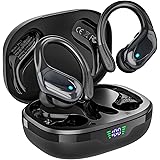
HAOYUYAN Wireless Earbuds, Sports Bluetooth Headphones, 80Hrs Playtime Ear Buds with LED Power Display, Noise Canceling Headset, IPX7 Waterproof Earphones for Workout/Running(Black)
$23.98 (as of October 10, 2026 03:30 GMT +00:00 - More infoProduct prices and availability are accurate as of the date/time indicated and are subject to change. Any price and availability information displayed on [relevant Amazon Site(s), as applicable] at the time of purchase will apply to the purchase of this product.)
Best Pet Supplies Interactive Squeaky Dog Toy - Crinkle Duck, Yellow | Stuffing Free Body, Soft, Squeaks & Crinkles, No Mess, Perfect for Moderate Chewers, Toss and Fetch Play
$6.79 (as of October 10, 2026 03:11 GMT +00:00 - More infoProduct prices and availability are accurate as of the date/time indicated and are subject to change. Any price and availability information displayed on [relevant Amazon Site(s), as applicable] at the time of purchase will apply to the purchase of this product.)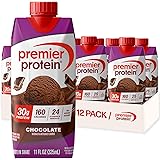
Premier Protein 30g High Protein Shake, Chocolate, 12 Pack | 160 Calories, 24 Vitamins & Minerals, No Added Sugar, Supports Muscle Health, Gluten-Free, 11 oz
$23.97 (as of October 10, 2026 03:08 GMT +00:00 - More infoProduct prices and availability are accurate as of the date/time indicated and are subject to change. Any price and availability information displayed on [relevant Amazon Site(s), as applicable] at the time of purchase will apply to the purchase of this product.)
GHOST Energy Drink, Zero Sugars, 12-Pack, Welch's Grape, 16oz | Energy & Focus Pre Workout Drink, No Artificial Colors, Gluten-Free, Vegan - 200MG Natural Caffeine, L-Carnitine, Taurine
$29.99 (as of October 10, 2026 03:08 GMT +00:00 - More infoProduct prices and availability are accurate as of the date/time indicated and are subject to change. Any price and availability information displayed on [relevant Amazon Site(s), as applicable] at the time of purchase will apply to the purchase of this product.)














Post Comment