
The Shocking Truth About Your Hairbrush That’s Sabotaging Your Hair Health—And How to Fix It Now
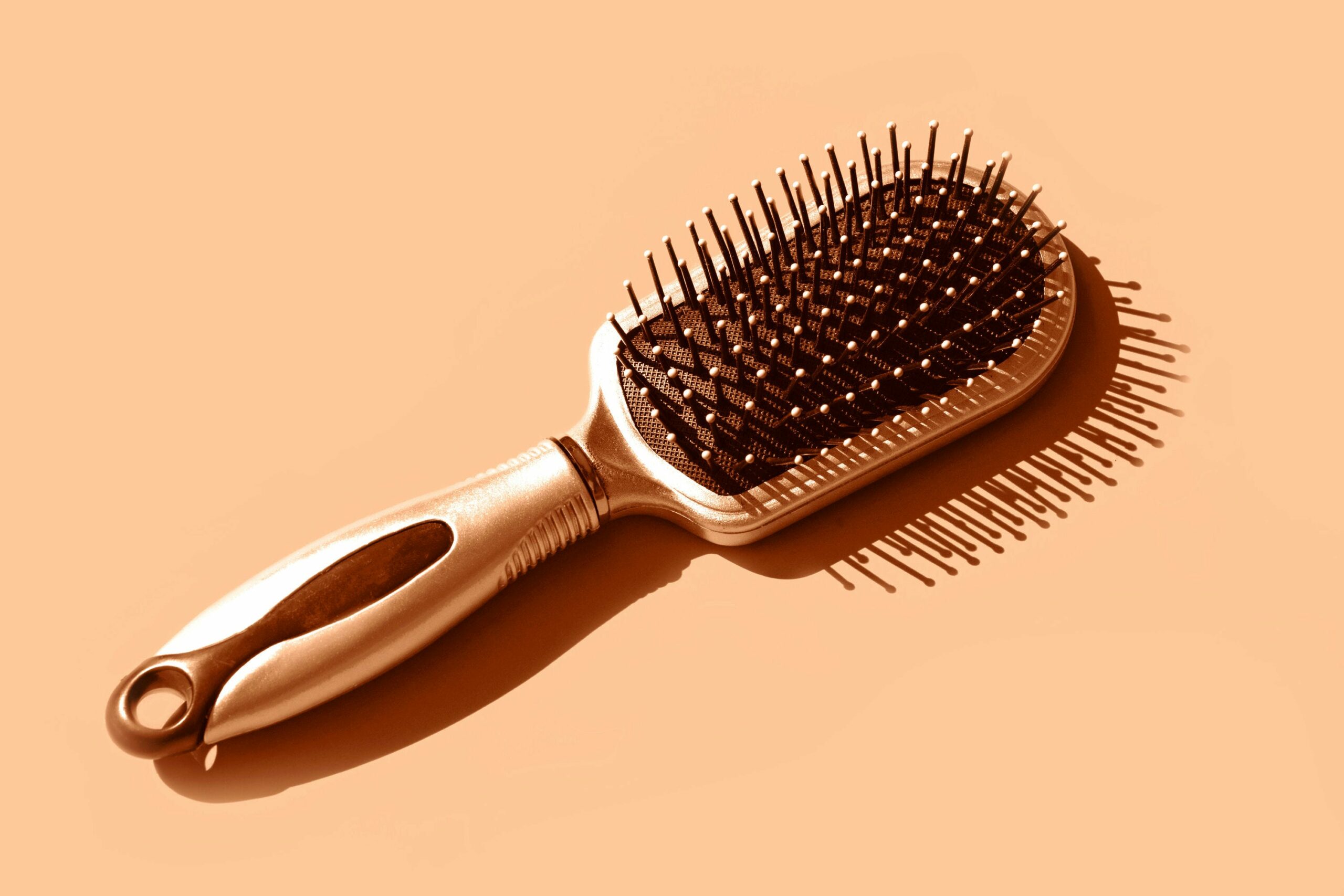
Ever stopped mid-brush and wondered, “When was the last time I actually cleaned this thing?” If you’re like me, that little hairbrush probably collects more than just stray strands—it harbors a whole microcosm of oils, dirt, and yes, potential scalp saboteurs. We all know the drill—clean your makeup brushes, swap your toothbrush every few months—but your hairbrush? That often slides under the radar. Yet, it’s just as crucial. Imagine running grime and product buildup through your hair every day—kind of a nightmare, right? I’ve been there, juggling a mile-long to-do list, but the truth is, keeping your hairbrush clean is a small win that pays off big time for your scalp health and those shiny strands you’re aiming for. Let’s cut through the clutter and break down exactly why and how this often-overlooked beauty tool deserves some TLC, with tips that don’t eat into your busy schedule. Ready to make your brush work for you—not against you? Dive in. LEARN MORE
 6 min read
You’ve likely heard about the importance of regularly cleaning your makeup brushes: Leaving them unwashed can allow them to harbor bacteria, potentially leading to skin issues like irritation and acne. Pesky bacteria can thrive on your toothbrush, too, which is why dentists recommend replacing them every few months. But—breaking news—your hairbrush could benefit from the same kind of regular upkeep as well.
I know what you’re probably thinking: “Oh great, yet another item to add to my to-do list.” But “your hair traps everything and anything you come in contact with from your hands, the air, and more,” says Kerry E. Yates, a trichologist and founder of Colour Collective, a beauty brand development company. “So imagine how much dirt and grime collects within your brush. Think of a brush like your bath or hand towel. How often would you use that without washing it?” Point taken.
Meet the experts: Kerry E. Yates is a trichologist and founder of Colour Collective, a beauty brand development company. Matty Leadabrand, a hair stylist at BENJAMIN Salon in New York City. Jack Levy, MD, is a dermatologic surgeon at Weill Cornell Medicine in New York City.
The little extra effort to maintain a clean hairbrush isn’t for naught, experts say: Making it a habit can not only help improve the overall health of your hair and scalp, but it also helps your hairbrush to do a better job: Clean bristles are more more likely to glide smoothly through hair strands and detangle your tresses without tugging compared to bristles coated in product buildup, grime, and old hair.
And keeping your go-to hairbrush in good condition doesn’t have to be a time-suck, according to experts. This simple, three-step protocol will make sure of it. Let’s dive in.
Why You Need to Clean Your Hairbrush
Before we dissect how, exactly, to clean your brush, it’s important to understand why doing so is important in the first place. Here’s a quick breakdown:
- Dirty brushes can harm scalp health: “They’re a breeding ground for bacteria, which can get transferred onto the scalp and lead to inflammation,” Yates explains. Just like the skin on the rest of the body, research shows that the scalp has a microbiome, an ecosystem of bacteria that needs to stay in balance in order to support a regulated environment. When that ecosystem is thrown out of whack—whether it be through the use of haircare ingredients like olive oil or more aggressive cleansing surfactants like sulfates—you can begin to experience symptoms such as a dry scalp, worsened dandruff, or itchiness. Similarly, a dirty hairbrush can contribute to the transfer of bacteria, dirt and oil that can also contribute to scalp itch, says Matty Leadabrand, a stylist at BENJAMIN Salon in New York City.
- Poor scalp health directly impacts hair growth: For some folks, wanting to avoid a dry, itchy scalp may be motivating enough to give their hairbrush a good scrub. But if you’re still not convinced—bear in mind that a healthy scalp is fundamental to healthy hair. In fact, you can think of your scalp as like a flower bed, Jack Levy, MD, a dermatologic surgeon at Weill Cornell Medicine in New York City previously told Women’ Health: “If the soil is really healthy, then the flowers will grow well. And if the soil’s unhealthy, then it’s hard to get a good flower bed to grow,” he says. “I try to tell that to patients that what we’re trying to do is reduce some of the inflammation and the irritation.” One quick and easy way to do that? Clean your brush.
- Dirty brushes make hair dirty, too: A buildup of product residue, dead skin cells, old hair, and oil can get caked onto your brush. Once you run that unwashed brush through your hair, you’re essentially redepositing all that buildup onto your tresses. This can leave your hair feeling dirty even when it’s freshly-washed, Leadabrand adds. Plus, buildup prevents your strands from getting “proper contact with the brushes’ bristles, making it more difficult to detangle or style,” he says.
The Best Way to Clean Your Brush
It’s easy to want to skip hairbrush maintenance when you don’t know how to go about it. But these three easy steps will make the process as simple as can be. And once you’ve incorporated them into your routine (with more information on how frequently to do it down below) you won’t have to worry about inadvertently brushing dirt and oil buildup through your hair ever again.
1. Remove excess hair.
Think of this first step as like sweeping up dirt from a dry floor before mopping it. It’s crucial to remove hair first, while your brush is dry, to make the cleansing process faster and more effective, Leadabrand says. Plus, wet hair clumps together and is more likely to tightly tangle around the bristles—making dirt, oil, and product buildup harder to remove.
You don’t have to get in there with your fingers to do a good job, either. Instead, try using a wide-tooth comb, lightly dragging it against the bristles to help collect the loose hair, Yates says. Keep doing that until all the hair has been removed from the brush bed.
2. Give the brush a bath.
Start by rinsing the bed of the brush with water. But don’t submerge the whole brush. This can damage it by loosening the adhesives that hold bristles in place, or by allowing water to seep into the cushion and get trapped.
After rinsing, you’ll need soap to effectively remove all of the oil and product residue trapped in the brush, says Leadabrand. If you’re using a brush with boar bristles, Yates says it’s best to use a drop or two of shampoo since the bristles are made of keratin— the same structural protein that makes up human hair. Shampoo will gently clean the bristles and cut through buildup without drying them out and making them more brittle. By contrast, if your brush has nylon bristles, you can feel free to use a little bit of hand soap or dish soap, Leadabrand adds—nylon is a synthetic material that can better withstand more potent cleansers without getting damaged.
After applying the soap, lather it up using your fingertips to ensure you get around and in between all the bristles. Then make sure to rinse thoroughly.
3. Dry the brush completely.
For nylon and other types of synthetic bristles, place the brush upside down on top of a towel and let it air dry. You can expect this to take about 10 to 15 minutes, Yates says. Boar bristles, meanwhile, aren’t designed to stay wet for extended periods of time, Leadabrand says. The keratin in the bristles expands and becomes more elastic when exposed to water, and that raises the risk of damage and breakage. So if your brush has boar bristles, use a hair dryer on low-heat setting to speed up the drying process without causing damaging.
How Often to Clean Your Brush
Leadabrand and Yates agree that there’s no set rule of thumb here—it’s largely dependent on how often you brush your hair. Obviously, the more you brush, the more opportunity there is for buildup to accumulate and the more frequently you’ll want to wash. But as a general guideline, Yates recommends removing hair from the bristles at once per week and actually washing the brush itself biweekly. When in doubt, err on the side of more often than less: Who wants to risk dragging buildup and grime through their hair unnecessarily?
Although having to clean your brush can seem like a drag, you’re more likely to be motivated to do it to maintain one you actually enjoy using. Here are a few recommendations to help your sort through the seemingly endless options:
Hairbrushes Women’s Health Editors Love

The perks for this brush are practically endless: It’s painless when detangling; it gently massages the scalp; it can be used on wet or dry hair; and it is great for styling, too. Plus, the bristles are flexible enough to get through knots without pulling or tugging.

Ceramic heats up quickly and evenly, offering more hold to your look. So if you’re going for max texture, bounce, or curl, or to enhance drying time and boost shine, this brush is for you. The brush is also super light, which makes holding it above your head for extended periods of time so much easier.

This brush has seven rows of sculpted, round-ended nylon pins, which give the hair a softer, denser, feel. These bristles also increase movement throughout the hair, perfectly defining your curls. It stimulates your scalp with massaging bristles, and doesn’t pull on the hair.
Getting in the habit of a regular brush cleaning is one of the easiest ways to ensure your hair stays healthy and styles always look their best, Yates says. Think of it this way: You invest in good shampoo, condition religiously, maybe even do a weekly hair mask—so why let a dirty brush undo all that work? A few minutes of brush maintenance every couple of weeks is a small price to pay to make sure your efforts come to fruition. Clean brush, clean slate.
Melanie Rud is a beauty writer and editor with over 15 years of experience in the industry covering skincare, makeup, hair, and more. Her work has appeared in Shape, Real Simple, Byrdie, In Style, RealSelf, Good Housekeeping, PopSugar, and multiple other print and digital outlets. Additionally, she works as a personal beauty coach and also offers consulting services for beauty companies.
Katie Mogg is the beauty editorial assistant at Women’s Health. Since starting college at Northeastern University in 2020, her bylines have appeared in The New York Times, The Wall Street Journal, NBC News and The Boston Globe. She strives to help readers lead happier and healthier lives through science-backed stories that explain how to care for hair, skin and nails. When she’s not working, Katie enjoys live music, strolling through Central Park, planning her next beach getaway, and sharing hotpot with friends.
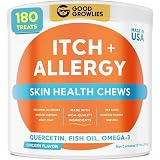
Dog Allergy Relief Chews - Anti-Itch Skin & Coat Supplement with Omega 3 | Itchy Skin Relief Treatment with Fish Oil - Itching & Paw Licking Support - Dry Skin & Hot Spots Treats - Made in USA, 180Ct
$18.39 (as of October 11, 2026 03:20 GMT +00:00 - More infoProduct prices and availability are accurate as of the date/time indicated and are subject to change. Any price and availability information displayed on [relevant Amazon Site(s), as applicable] at the time of purchase will apply to the purchase of this product.)
CELSIUS® On-The-Go Powder Sticks Dragonfruit Lime, Essential Energy 2.8 Oz
$11.50 (as of October 11, 2026 03:09 GMT +00:00 - More infoProduct prices and availability are accurate as of the date/time indicated and are subject to change. Any price and availability information displayed on [relevant Amazon Site(s), as applicable] at the time of purchase will apply to the purchase of this product.)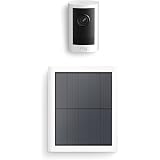
Ring Outdoor Cam, Solar (newest model), Home or business security, Wide-Angle Retinal 2K Video, 6x Enhanced Zoom, Night Vision for true color in low light, White
$159.98 (as of October 11, 2026 03:30 GMT +00:00 - More infoProduct prices and availability are accurate as of the date/time indicated and are subject to change. Any price and availability information displayed on [relevant Amazon Site(s), as applicable] at the time of purchase will apply to the purchase of this product.)
Automatic Bark Control Box, Smart Dog Bark Deterrent Device, Anti Barking Device for Dogs Stop Neighbor’s Dog Barking, Owl Design Ultrasonic Bark Silencer with 2X Emitters 50FT, Waterproof for Outdoor
$37.99 (as of October 11, 2026 03:20 GMT +00:00 - More infoProduct prices and availability are accurate as of the date/time indicated and are subject to change. Any price and availability information displayed on [relevant Amazon Site(s), as applicable] at the time of purchase will apply to the purchase of this product.)













Post Comment