
The Silent Summer Threat: Why Norovirus Cases Are Surging and How You Can Outsmart It Now
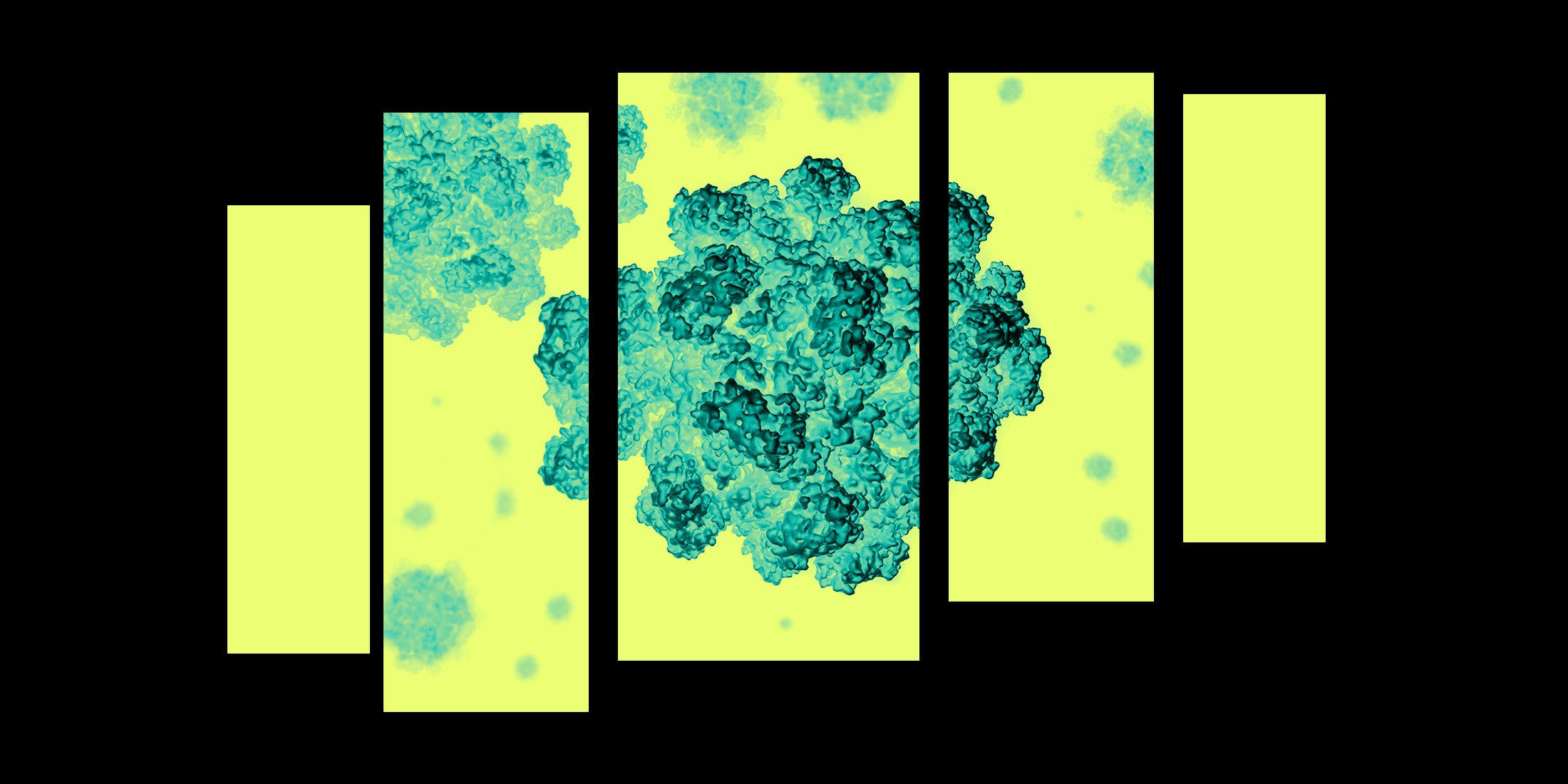
You know how winter usually gets all the blame for bringing on the dreaded “winter vomiting disease”? Well, surprise—norovirus isn’t sticking around just for the chilly months anymore. As summer swings in with its picnics and pool parties, it turns out this notorious bug is making a bit of a comeback. But should we really be hitting the panic button, or is this just another blip on the viral radar? Here’s the scoop: Norovirus cases are climbing nationwide, probably because more people are mingling and sharing their germs—sometimes a little too generously. The symptoms? Let’s just say, they’re not for the faint of heart (think explosive bouts of vomiting and diarrhea that can knock you off your feet). And the best defense? Good old-fashioned handwashing—no shortcuts. So, before you dive into those summer plans, let’s break down what’s really going on, why this upsurge might be happening, and how you can stay one step ahead of the nasty bug. LEARN MORE
 3 min read
- Norovirus cases are on the rise heading into the summer, likely as more people are gathering.
- The notorious illness brings some pretty intense symptoms, including diharrhea and vomiting, and can lead to severe dehydration.
- The best way to avoid norovirus is to wash your hands with soap for at least 20 seconds.
Despite the fact that its nickname is the “winter vomiting disease,” word on the street is that the norovirus is seeing an uptick right now. But we’re at the start of the summer season…so is it really something to be concerned about?
Unfortunately, the reports aren’t clickbait. Norovirus cases are going up across the country. “Wastewater data does show that norovirus is high in the U.S. right now,” says Amesh A. Adalja, MD, a senior scholar at the Johns Hopkins Center for Health Security.
That doesn’t mean you should freak out and assume you’re going to get it, of course. Really, what it means is that this is an illness that should at least be on your radar. Here’s what doctors recommend being on the lookout for, plus how to keep yourself healthy.
Meet the experts: Thomas Russo, MD, professor and chief of infectious disease at the University at Buffalo in New York. William Schaffner, MD, an infectious disease specialist and professor at the Vanderbilt University School of Medicine. Amesh A. Adalja, MD, a senior scholar at the Johns Hopkins Center for Health Security
What’s behind the increase?
It’s not totally clear. While data from the Centers for Disease Control and Prevention (CDC) show that norovirus is at its highest levels in the winter, there are still cases throughout all four seasons. “It is a year-round virus, so you might see a blip here and a blip there,” says Thomas Russo, MD, professor and chief of infectious disease at the University at Buffalo in New York. Basically, there’s nothing particularly abnormal about the spike.
As for what’s driving cases right now, experts think that it could simply be that people are gathering more. Warmer weather brings plenty of opportunities for people to get together, from small picnics to big weddings, which could increase the odds of the norovirus spreading, says William Schaffner, MD, an infectious disease specialist and professor at the Vanderbilt University School of Medicine. If just one person at a gathering is sick, it could quickly result in more cases. “Norovirus is easily transmittable,” Dr. Schaffner says.
Norovirus causes some pretty intense symptoms.
You’ve probably heard that norovirus is linked with diarrhea and vomiting, and this isn’t usually a one-and-done kind of thing. “It comes on suddenly,” Dr. Schaffner says, but then it can last for up to three days. Those days aren’t pretty. “It can be explosive vomiting and diarrhea,” Dr. Schaffner says.
Along with those GI symptoms, you may be left grappling with stomach pains, a fever, headache, and/or body aches, per the CDC. “It’s really one to two days-plus of total misery,” Dr. Russo says.
Unfortunately, there’s also not much doctors can do to help those symptoms. Dehydration is the biggest issue with norovirus, which is why Dr. Schaffner stresses the importance of trying to stay hydrated as best as you can in the event you come down with the norovirus.
Beyond that, there aren’t specific treatment for norovirus, according to the CDC. (However, if you have signs of severe dehydration, you may need IV fluids, so don’t hesitate to go to the doctor.)
Here’s what you can do to lower your chances of getting sick.
Norovirus is incredibly contagious, and it usually spreads by either having direct contact with someone who is sick, eating foods or drinking liquids that are contaminated with the virus, or touching contaminated objects and then putting your unwashed hands in your mouth, according to the CDC.
When it comes to avoiding norovirus, washing your hands regularly is really important, Dr. Russo says. Hand sanitizer doesn’t kill norovirus, so you have to keep your hands clean the old-fashioned way. “Make sure you really do it right as opposed to the cursory wash,” Dr. Russo says. You know the drill: Wet your hands, lather them with soap, and then scrub ‘em for at least 20 seconds—or as long as it takes you to sing “Happy Birthday.”
(Another thing to keep in mind: “Avoid people who are actively vomiting, as the viral particles aerosolize,” per Dr. Adalja.)
Ultimately, do your best. While there’s a lot of norovirus out there right now, it’s not as bad as it is in the middle of winter—and this increase in cases is unlikely to last. “It usually starts to calm down a little bit as we get into the summer,” Dr. Russo says.
Korin Miller is a freelance writer specializing in general wellness, sexual health and relationships, and lifestyle trends, with work appearing in Men’s Health, Women’s Health, Self, Glamour, and more. She has a master’s degree from American University, lives by the beach, and hopes to own a teacup pig and taco truck one day.

Strawberries, 1 Lb
(as of October 12, 2026 03:09 GMT +00:00 - More infoProduct prices and availability are accurate as of the date/time indicated and are subject to change. Any price and availability information displayed on [relevant Amazon Site(s), as applicable] at the time of purchase will apply to the purchase of this product.)
Apple AirPods 5 Wireless Earbuds with Active Noise Cancellation | Bluetooth Headphones, Personalized Spatial Audio, Live Translation, USB-C Charging Case, H2 Chip
$129.00 (as of October 12, 2026 03:21 GMT +00:00 - More infoProduct prices and availability are accurate as of the date/time indicated and are subject to change. Any price and availability information displayed on [relevant Amazon Site(s), as applicable] at the time of purchase will apply to the purchase of this product.)
The Farmer's Dog Snap Sticks, Human Grade Dog Treats, Chicken & Apple 3oz | Human-Grade Dog Treats for Puppies and Adult Dogs, For All Ages, Sizes and Breeds
$7.79 (as of October 12, 2026 03:21 GMT +00:00 - More infoProduct prices and availability are accurate as of the date/time indicated and are subject to change. Any price and availability information displayed on [relevant Amazon Site(s), as applicable] at the time of purchase will apply to the purchase of this product.)
Naturesweet, Tomato Cherry Cherub Conventional, 10 Ounce | Sweet, Greenhouse Grown Heavenly Snacking Grape (similar to Cherry) Tomatoes, Salads, and Easy Meal Prep for Families
(as of October 12, 2026 03:09 GMT +00:00 - More infoProduct prices and availability are accurate as of the date/time indicated and are subject to change. Any price and availability information displayed on [relevant Amazon Site(s), as applicable] at the time of purchase will apply to the purchase of this product.)













Post Comment