
The Surprising Reason Your Dog Scoots Their Butt—And What It Means for Their Health
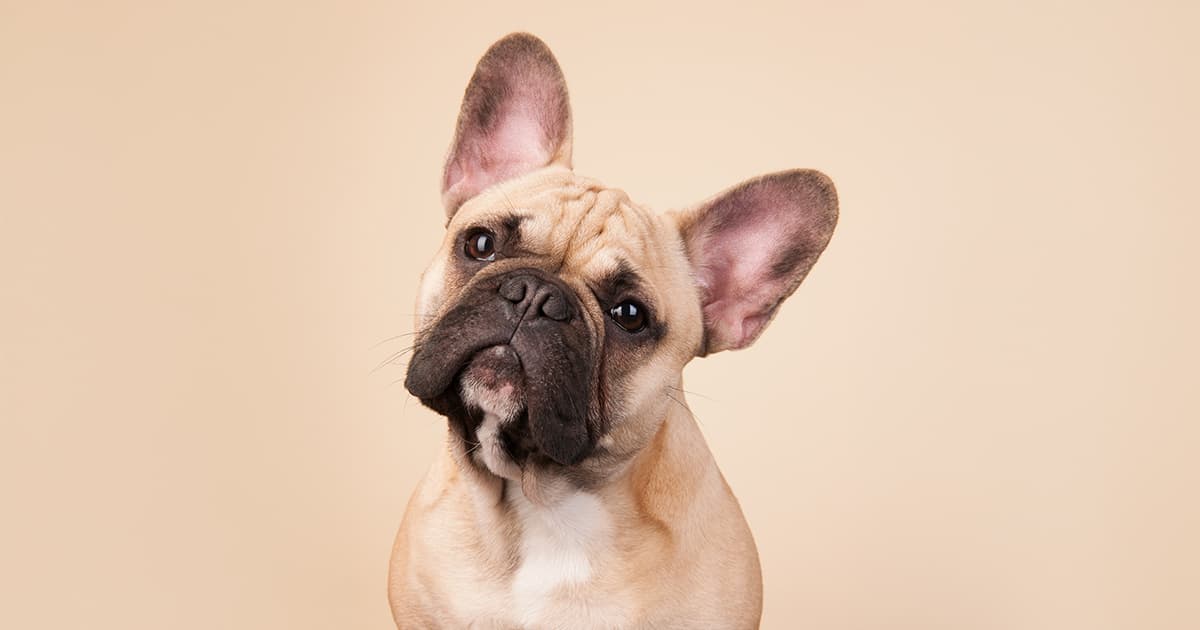
Ever catch your dog doing that peculiar little wiggle—dragging their derrière across the carpet or lawn like it’s some secret dance move? It’s the kind of thing that might make you chuckle at first, but beneath the silliness, there’s usually something worth paying attention to. Dogs scooting their bottoms isn’t just a quirky habit; it’s often a flashing neon sign that says, “Hey, something’s uncomfortable down here!” Whether it’s a pesky itch, full anal glands, or those sneaky parasites throwing a tantrum, your pup’s butt drag is nature’s way of waving a flag. So, before you chalk it up to canine comedy, let’s dive into what’s really going on—after all, keeping your furry buddy comfy and healthy is what matters most, right? LEARN MORE
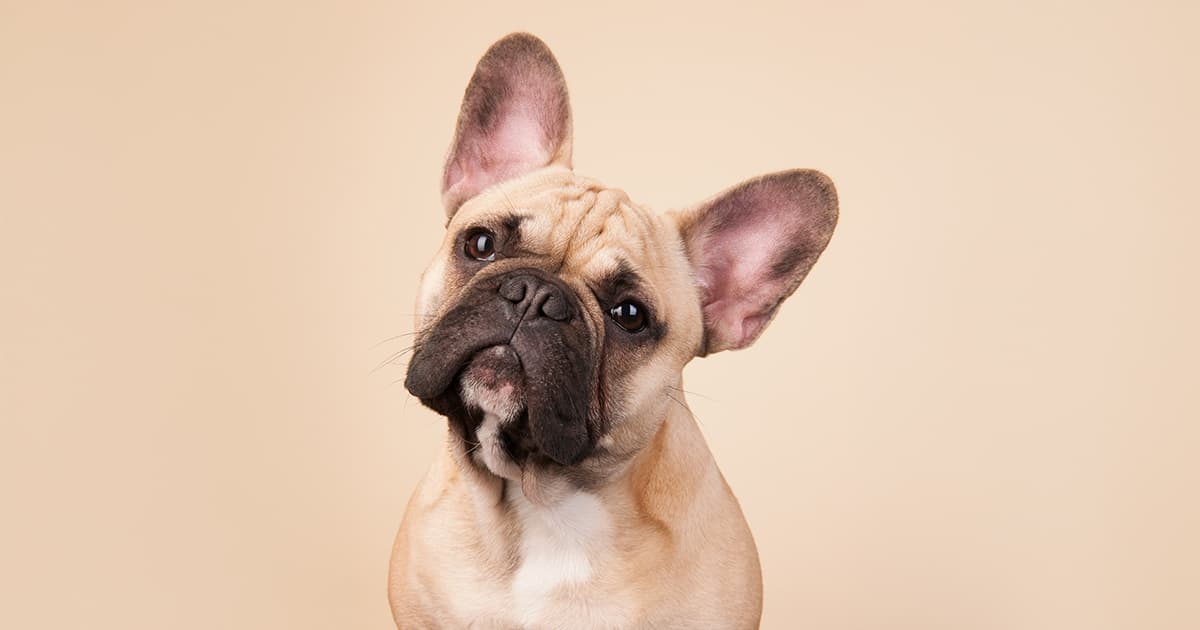
It can be common to see dogs in the yard or around the house, dragging or scooting their butt across the floor. While this behavior can look strange or funny, butt scooting is usually a sign that something is causing discomfort or irritation around your dog’s rear end. Understanding why your furry friend is dragging their butt can help you identify potential health concerns and determine when it’s time to seek veterinary care.
Why Do Dogs Drag Their Butt on the Ground?
There are several reasons why your dog may be dragging or scooting its bottom on the floor. It might be something minor, like an itch or a dirty back end. However, it could also indicate a more serious issue, such as full anal glands, skin irritation, parasites or digestive problems.
Here are some of the reasons why dogs scoot:
- A dirty bottom: Long-haired dog breeds in particular can get debris or fecal material stuck in the fur around their anal area that can lead to irritation.
- An irritating itch: Environmental allergies or grooming products that are too harsh or weren’t washed away properly can cause dryness and itching.
- Anal gland issue: Located on either side of the rectum, these small sacs produce liquid that helps dogs mark their territory. Normally, they empty during bowel movements, but if they don’t, they can become impacted, inflamed, infected or even rupture. In some dogs, underlying allergies, including food and environmental allergies, may contribute to inflammation around the anal area and increase the risk of anal gland problems.
- Parasitic infection: Internal parasites, such as tapeworms and roundworms, can cause irritation and itching around the anal area, leading to scooting behavior. Tapeworms, that resemble grains of rice, may sometimes be visible around the anus or in the stool. Fleas may also bite around the base of the tail and cause scooting.
- Trauma: Rarely a dog may scoot due to trauma or a small foreign object lodged in the anal region. Bacterial or fungal infections can also cause itchiness and irritation in the region.
- Rectal prolapse: Very rarely a small portion of the rectal tissue protrudes through the anus causing discomfort and irritation.
When to See a Vet About Your Dog Scooting
While occasional scooting might not be a cause for concern, persistent or severe scooting should prompt a visit to the veterinarian, as it may indicate underlying issues. If you notice swelling, foul odor, redness, irritation or discharge around the anus, your dog should be examined by a veterinarian promptly for appropriate treatment.
If it is an anal gland impaction, then veterinary treatment is necessary and may include antibiotics, anti-inflammatory medication or pain relief. If anal glands are simply full, a vet can manually perform an anal gland expression to bring quick relief. In severe or recurring cases, additional procedures or surgical intervention may be considered. Regular veterinary checkups can help monitor recurring or chronic anal gland issues and determine the best long-term management plan for your dog.
A vet may perform diagnostic tests, such as blood work or a fecal examination, to check for tapeworms and other intestinal parasites, including hookworms and whipworms. Regular deworming medication and parasite-prevention measures can help reduce the risk of infestations and support your dog’s overall health. Additionally, external parasites such as fleas can cause skin irritation, itching and butt scooting. Talk with your veterinarian about an appropriate parasite prevention plan to help keep your dog healthy and comfortable year-round.
How to Help a Dog Who’s Dragging Their Butt
For some dogs, increasing dietary fiber may help support anal gland function by promoting firmer stools that naturally express the glands during bowel movements. Some veterinarians recommend adding fiber sources such as psyllium husk to the dog’s diet or feeding specialized high-fiber diets to help with regular bowel movements. If a dog’s anal glands are impacted, a veterinarian or trained professional may manually express them.
Home Remedies for Dog Butt Scooting
Before using any over-the-counter treatments or home remedies, consult your veterinarian to ensure they are safe and suitable for your dog. Because scooting can have many underlying causes, treatment should be directed at the specific issue. For environmental allergies, your veterinarian may recommend ways to help an itchy dog stop scratching. For a dog with digestive issues, providing plenty of fresh water, ensuring regular exercise, and feeding a balanced diet can help support healthy digestion.
Regular grooming is important, especially for long-haired breeds. Keeping the area around the anus clean and free of matted fur can help reduce irritation to your dog’s skin. Good hygiene practices, such as gently cleaning the area with warm water or pet-safe wipes, can also help you monitor for signs of redness, swelling or other symptoms.
It is not recommended that pet owners try to treat impacted anal glands at home. Repeated at-home expressions without proper training can cause irritation or injury; it is best to seek veterinary attention for your dog.
Addressing Dog Scooting Behavior at Home
While it may not always be possible to completely prevent scooting, there are several steps you can take to minimize this behavior. Keep your dog’s bedding and living areas clean. Also, discourage licking or scratching of the affected area, as this can worsen irritation. Providing regular parasite prevention and maintaining a healthy, balanced diet can help address some common causes of scooting.
Dogs often do strange things (like rolling in poop), but there’s often a reason behind it. Paying attention to dog butt scooting and addressing the underlying cause can help keep your dog comfortable and healthy. While an occasional scoot may not be a cause for concern, frequent scooting, especially when paired with symptoms like itching, redness, swelling or changes in bowel habits, shouldn’t be ignored. If you notice your dog frequently scooting, and it is accompanied by other symptoms, schedule a veterinary visit for a proper evaluation and treatment plan to keep your dog comfortable and healthy.

Apple HomeView - Space Gray | Siri AI, Liquid Retina display, Spatial Audio, FaceTime, smart home controls, and built-in privacy. Smart display.
$299.00 (as of October 20, 2026 03:33 GMT +00:00 - More infoProduct prices and availability are accurate as of the date/time indicated and are subject to change. Any price and availability information displayed on [relevant Amazon Site(s), as applicable] at the time of purchase will apply to the purchase of this product.)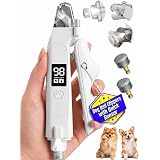
Dog Nail Clippers with Light, Dog Cat 2-in-1 Nail Clipper & Grinder Trimmer | Pet Nail Trimmer for Large, Medium & Small Dogs & Cats, Dual LED Quick Sensor & Safety Guard Portable Home Pet Grooming Tool
$19.98 (as of October 20, 2026 03:22 GMT +00:00 - More infoProduct prices and availability are accurate as of the date/time indicated and are subject to change. Any price and availability information displayed on [relevant Amazon Site(s), as applicable] at the time of purchase will apply to the purchase of this product.)
Fresh Step Odor Shield Multi Cat Clumping Cat Litter, 14 lb. | Febreze Freshness, Odor Shield with Ammonia Block Technology, Low Dust, Compatible with Most Automatic Litter Boxes
$12.29 (as of October 20, 2026 03:12 GMT +00:00 - More infoProduct prices and availability are accurate as of the date/time indicated and are subject to change. Any price and availability information displayed on [relevant Amazon Site(s), as applicable] at the time of purchase will apply to the purchase of this product.)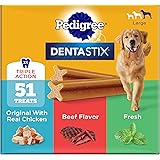
Pedigree Dentastix Large Breed Dental Dog Treats, Variety, 51 Count | Original Chicken, Beef, and Fresh flavors, reduces plaque and tartar buildup, cleans teeth, freshens breath, for dogs 40+ lbs
$23.98 (as of October 20, 2026 03:12 GMT +00:00 - More infoProduct prices and availability are accurate as of the date/time indicated and are subject to change. Any price and availability information displayed on [relevant Amazon Site(s), as applicable] at the time of purchase will apply to the purchase of this product.)












Post Comment