
The Untold Tactics Growth-Minded Founders Use to Outsmart the Startup Grind and Scale Faster Than Anyone Else

Ever wonder if grinding away to build a startup from scratch is really the fastest, smartest path to business growth—or if there’s a shortcut that savvy founders are quietly taking instead? I mean, sure, launching your own baby takes guts and long nights, but months of testing, hiring headaches, and nerve-wracking cash burn before you even see steady revenue can make you question if it’s worth the hustle. That’s why more entrepreneurial minds are turning their gaze toward acquiring existing companies—think instant customers, ready-made teams, and proven systems all handed over on day one. It’s like skipping the tough part of the marathon and starting miles ahead… tempting, right? If you’re itching to sidestep the startup grind and want the real scoop on why buying a business might just be your smartest move yet, you’re in the right spot.

Founders often assume that creating a company from scratch is the clearest route to growth. That path can be rewarding, but it also requires months of testing, hiring and spending before the business produces dependable revenue. Understanding common startup failure risks helps explain why some entrepreneurs choose acquisition instead. An existing company can provide customers, employees and working systems from day one, giving its new owner a stronger base for expansion.
The Real Failure Rate of New Ventures
Startup success stories tend to receive more attention than quiet closures. However, five-year survival data from the U.S. is available. Bureau of Labor Statistics shows that roughly half of new business establishments remain active. Survival also doesn’t guarantee attractive profits. A company may stay open while its founder works long hours for limited returns.
Before launching an original concept, estimate how long customer validation, product development and hiring will take. Then calculate the cash needed to cover that period without optimistic sales assumptions. This exercise lets you compare startup costs with the price and potential returns of acquiring an established operation.
Immediate Access to Existing Cash Flow
An operating company may begin producing income for its new owner immediately after the sale closes. That cash flow can cover payroll, supplier bills and routine operating expenses while the buyer studies opportunities for growth. It also provides real evidence of what customers will pay.
Founders who want to buy a business should review several years of financial statements, bank records and customer data before committing. For example, a service company reporting $600,000 in annual revenue may look attractive, but a buyer should check how much depends on one large account. Recurring revenue, healthy margins and low customer concentration generally create a more stable starting point.
Inheriting Experienced Talent and Systems
A successful acquisition includes more than a customer list. Trained employees may already understand the daily workflow, supplier relationships and common service problems. Documented systems for billing, scheduling and customer support can save a buyer months of trial and error.
During due diligence, identify which employees hold critical knowledge and ask what might encourage them to stay after the transition. Review employment agreements, role descriptions and training records where available. A practical transition plan might keep the former owner involved for 60 days while managers introduce the buyer to major customers. Clear communication matters because vague announcements can cause valued employees to leave just when continuity is most valuable.
Reinvesting Early Profits for Modern Scale
Existing profits give growth-minded owners options that early-stage founders rarely have. A portion of monthly cash flow can fund better software, updated marketing or equipment that increases capacity. For instance, a company using manual appointment scheduling might reduce administrative work through a modern booking and payment system.
Set priorities according to measurable business constraints. If demand exceeds capacity, invest in hiring or process improvements. If customer retention is weak, improve onboarding and follow-up before increasing advertising. Keep enough cash available for taxes, payroll and unexpected repairs while testing each investment on a limited scale. The strongest acquisition strategy starts with a sound operation, then directs its earnings toward changes that produce clear gains in revenue, efficiency or customer retention.


Medium Hass Avocado
(as of October 29, 2026 03:14 GMT +00:00 - More infoProduct prices and availability are accurate as of the date/time indicated and are subject to change. Any price and availability information displayed on [relevant Amazon Site(s), as applicable] at the time of purchase will apply to the purchase of this product.)
Blink Outdoor 4 and Wired Doorbell 2K+ (newest model) — Two-year battery 1080p cameras and 2K hardwired doorbell. Sync Module Core included — 5 Cameras + Doorbell (Black)
$118.99 (as of October 29, 2026 03:34 GMT +00:00 - More infoProduct prices and availability are accurate as of the date/time indicated and are subject to change. Any price and availability information displayed on [relevant Amazon Site(s), as applicable] at the time of purchase will apply to the purchase of this product.)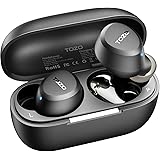
TOZO A1 Wireless Earbuds Bluetooth 5.3 Light Weight in Ear Headphones | IPX5 Waterproof,2 Mics for AI Calls,Immersive Premium Sound Bass Headset with Charging Case,32 EQ via App Black
$13.96 (as of October 29, 2026 03:23 GMT +00:00 - More infoProduct prices and availability are accurate as of the date/time indicated and are subject to change. Any price and availability information displayed on [relevant Amazon Site(s), as applicable] at the time of purchase will apply to the purchase of this product.)
Diet Coke Soda Soft Drink Cans, 12 fl oz, 12 Pack | No sugar, no calories, 46 mg caffeine per can
$7.68 (as of October 29, 2026 03:14 GMT +00:00 - More infoProduct prices and availability are accurate as of the date/time indicated and are subject to change. Any price and availability information displayed on [relevant Amazon Site(s), as applicable] at the time of purchase will apply to the purchase of this product.)













Post Comment