
This Insane New U.S. Soccer Training Center Is a Game-Changer — Here’s Why the 2026 World Cup Just Got Wild
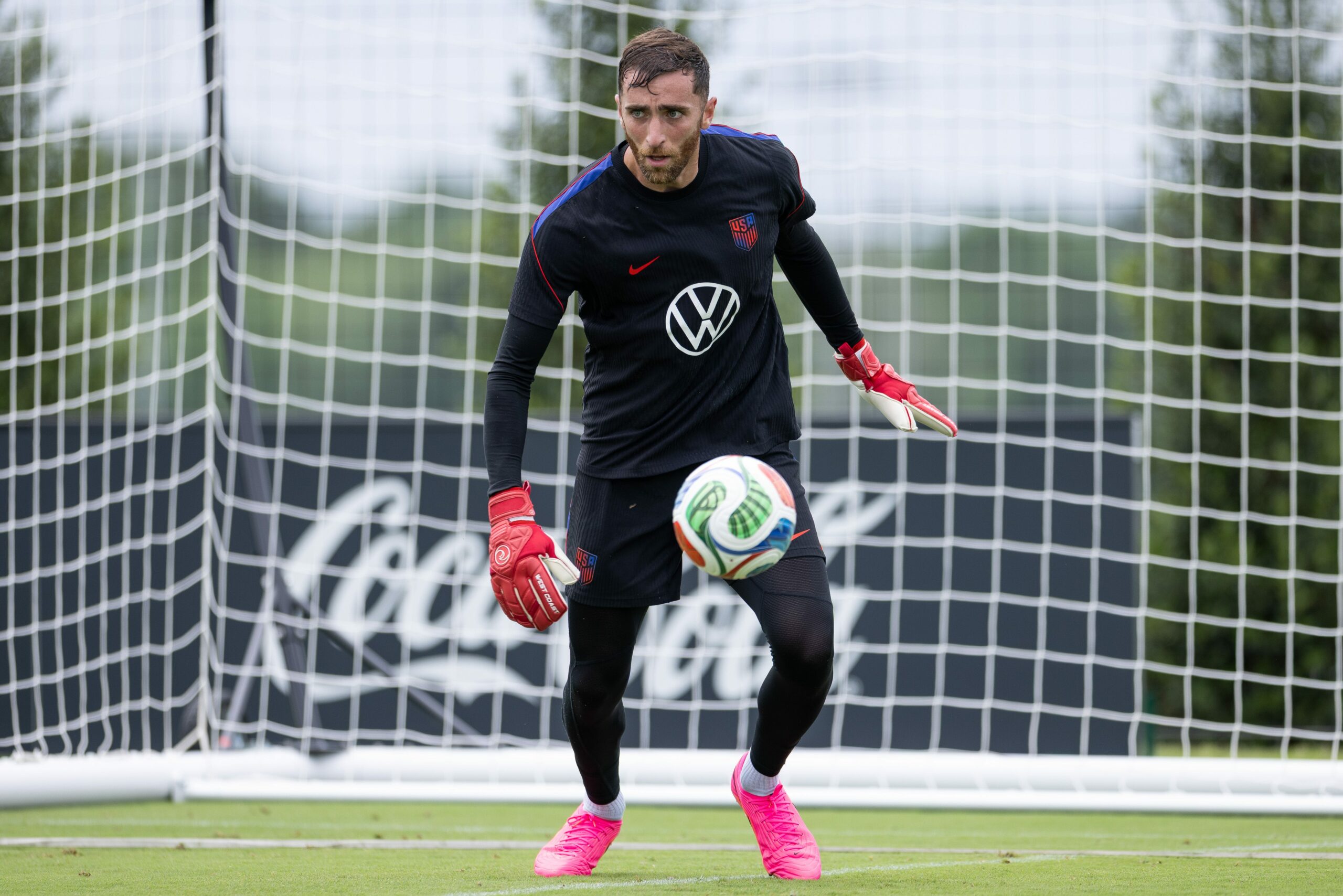
Ever wonder what it takes to sculpt champions? It’s not just endless drills and sweat—it’s about a fortress built for excellence. Step into the Arthur M. Blank National Training Center, where every blade of grass, every carefully crafted brick, and every state-of-the-art gym nook speaks volumes about dedication and precision. This isn’t your average corporate setup; it’s a sanctuary where athletes and staff come together—like a college quad buzzing with ambition and camaraderie. Beyond aesthetics, this place champions accessibility, innovation, and performance science, proving that greatness is nurtured both on and off the pitch. Curious how the fusion of nature, technology, and thoughtful design fuels the dreams of the USMNT and USWNT? Keep reading to dive deep into this epic training ground that’s setting the pace for the future of American soccer. LEARN MORE

The Yazdani Family Plaza outside the National Training Center, which features 4,000 custom bricks displayed across the space. More than 1,100 trees and 20,000 plants and shrubs were planted across the broader site as part of a landscape design chosen for both aesthetic quality and functional use by players and spectators.

Defender Auston Trusty seen in front of the training center.

The entryway of the National Training Center, designed to resemble a college quad rather than a corporate headquarters, encouraging gathering and connection among the athletes and staff who will use it daily. More than 350 U.S. Soccer employees will be on site daily, with more than 215,000 visitors anticipated annually.

The building was designed with accessibility as a stated priority. It features a continuous surface throughout for full wheelchair accessibility, elevated wheelchair viewing decks, tactile and audio-visual design elements, and dedicated charging rooms for power soccer chairs. Locker rooms for disability-focused squads were built with lower benches and lockers.

Forward Haji Wright and defender Alexander Freeman inside one of the fitness centers.

The high-performance gym at the National Training Center, a 10,000-square-foot training space equipped for sports science, strength and conditioning, and athlete recovery. The facility is designed to give players, coaches, and support staff access to advanced performance data and world-class equipment under one roof. ŌURA, the wearable health technology company, is among the founding partners of the facility along with long-term U.S. Soccer sponsor Nike.

Goalkeeper Chris Brady trains with Sílvia Viñas, a strength and conditioning trainer, and the only officially registered female member of the USMNT coaching staff in its history.

The 115,000-square-foot indoor artificial turf training facility, one of two indoor playing surfaces at the National Training Center. The space allows national teams to train year-round regardless of weather conditions and is among the largest dedicated indoor soccer training facilities in the country.

A view of one of the trophy cases on display at the training center.

The USWNT’s four World Cup trophies on display in the atrium for the ribbon cutting ceremony on May 7.

The outdoor natural grass playing fields at the National Training Center, which will serve as the primary training surfaces for the USMNT and USWNT.

Midfielder Sebastian Berhalter and forward Alex Zendejas during drills on the pitch.

The USMNT and coaching staff on the pitch one day after the World Cup roster was announced.
Rachel King (she/her) is a news writer at Town & Country. Before joining T&C, she spent nearly a decade as an editor at Fortune. Her work covering travel and lifestyle has appeared in Forbes, Observer, Robb Report, Cruise Critic, and Cool Hunting, among others. Originally from San Francisco, she lives in New York with her wife, their daughter, and a precocious labradoodle. Follow her on Instagram at @rk.passport.
Advertisement – Continue Reading Below
Advertisement – Continue Reading Below
Advertisement – Continue Reading Below
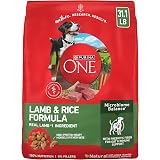
Purina ONE Lamb and Rice Formula Dry Dog Food for Digestive Support | Dog food with real lamb as first ingredient, Microbiome Balanced and prebiotic fiber, supports digestive health
$48.98 (as of October 11, 2026 03:11 GMT +00:00 - More infoProduct prices and availability are accurate as of the date/time indicated and are subject to change. Any price and availability information displayed on [relevant Amazon Site(s), as applicable] at the time of purchase will apply to the purchase of this product.)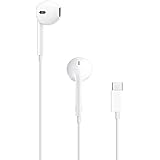
Apple EarPods Headphones with USB-C Plug, Wired Ear Buds with Built-in Remote to Control Music, Phone Calls, and Volume
$19.00 (as of October 11, 2026 03:20 GMT +00:00 - More infoProduct prices and availability are accurate as of the date/time indicated and are subject to change. Any price and availability information displayed on [relevant Amazon Site(s), as applicable] at the time of purchase will apply to the purchase of this product.)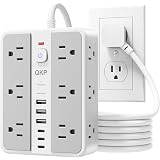
6 FT/ 2400J Surge Protector Power Strip, 12 Outlets, 6 USB (3 USB C) | 3 USB-A & 3 USB-C Ports, 1.7" Wide-Spaced Outlets,2400J Surge Protection, 1875W/15A Flat Plug Extension Cord for Home, Office
$18.99 (as of October 11, 2026 03:30 GMT +00:00 - More infoProduct prices and availability are accurate as of the date/time indicated and are subject to change. Any price and availability information displayed on [relevant Amazon Site(s), as applicable] at the time of purchase will apply to the purchase of this product.)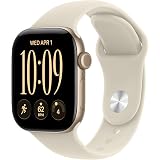
Apple Watch Series 12 GPS 42mm Smartwatch | Light Gold Aluminum Case, Sand Sport Band - S/M. Health + Fitness + Sleep Tracking, Heart Rate, Safety
$349.99 (as of October 11, 2026 03:30 GMT +00:00 - More infoProduct prices and availability are accurate as of the date/time indicated and are subject to change. Any price and availability information displayed on [relevant Amazon Site(s), as applicable] at the time of purchase will apply to the purchase of this product.)












Post Comment