
This One Everyday Squat Could Be the Key to Unlocking Ageless Strength—Here’s Why You Haven’t Tried It Yet
Ever caught yourself wondering why, as the years sneak up on us, our bodies seem to lose their pep—like muscle mass and bone density just quietly slipping away? Yeah, me too. It’s a bit like that sneaky plot twist in a movie you never asked for. But here’s the twist — aging isn’t the villain if you know how to play your cards right. Moving your body isn’t just about keeping fit; it’s a secret weapon against time itself. Take walking, for example: not just a stroll in the park but a powerful anti-aging hack backed by solid science, slashing risks of nasty stuff like heart disease and diabetes. And if you think strength training is just for gym buffs, think again — it’s a potent elixir that can shave years off your biological age. Now imagine a simple, almost cheeky little move you can squeeze into your daily routine—even in your pajamas while brushing your teeth—that a former orthopedic surgeon swears by to keep aging at bay. Intrigued? Let’s dive in and explore this surprisingly effective exercise that might just change how you age. LEARN MORE
 4 min read
It’s normal and natural for bodies to change as they age. Even healthy bodies experience a gradual decline in muscle mass and bone density as they get older—it’s part of life. However, there are ways to support your body through aging to help you maintain strength and mobility—namely, by moving it.
Walking, for instance, is widely considered a powerful anti-aging intervention that research suggests can reduce the risk of chronic age-related diseases such as cardiovascular disease, type 2 diabetes, and some cancers. Another activity acclaimed for its ability to slow aging? Strength training.
Research published in the journal Biology found that 90 minutes of strength training a week was associated with a lower biological age—a reduction of nearly four years. There’s one exercise in particular, however, that personal trainer and former orthopedic surgeon Dr Kate Ella does every single day to delay aging and protect her body as she gets older—and it’s so simple, she does it in her pajamas while brushing her teeth.
“By doing this exercise consistently I feel stronger and fitter so that everyday life is easier (and more fun),” she says. “It allows me to take the opportunities that come my way, whether that’s climbing a hill or a climbing wall, and swimming in the sea or the waterpark.”
Introducing: the high-heeled squat.
What is the high-heeled squat?
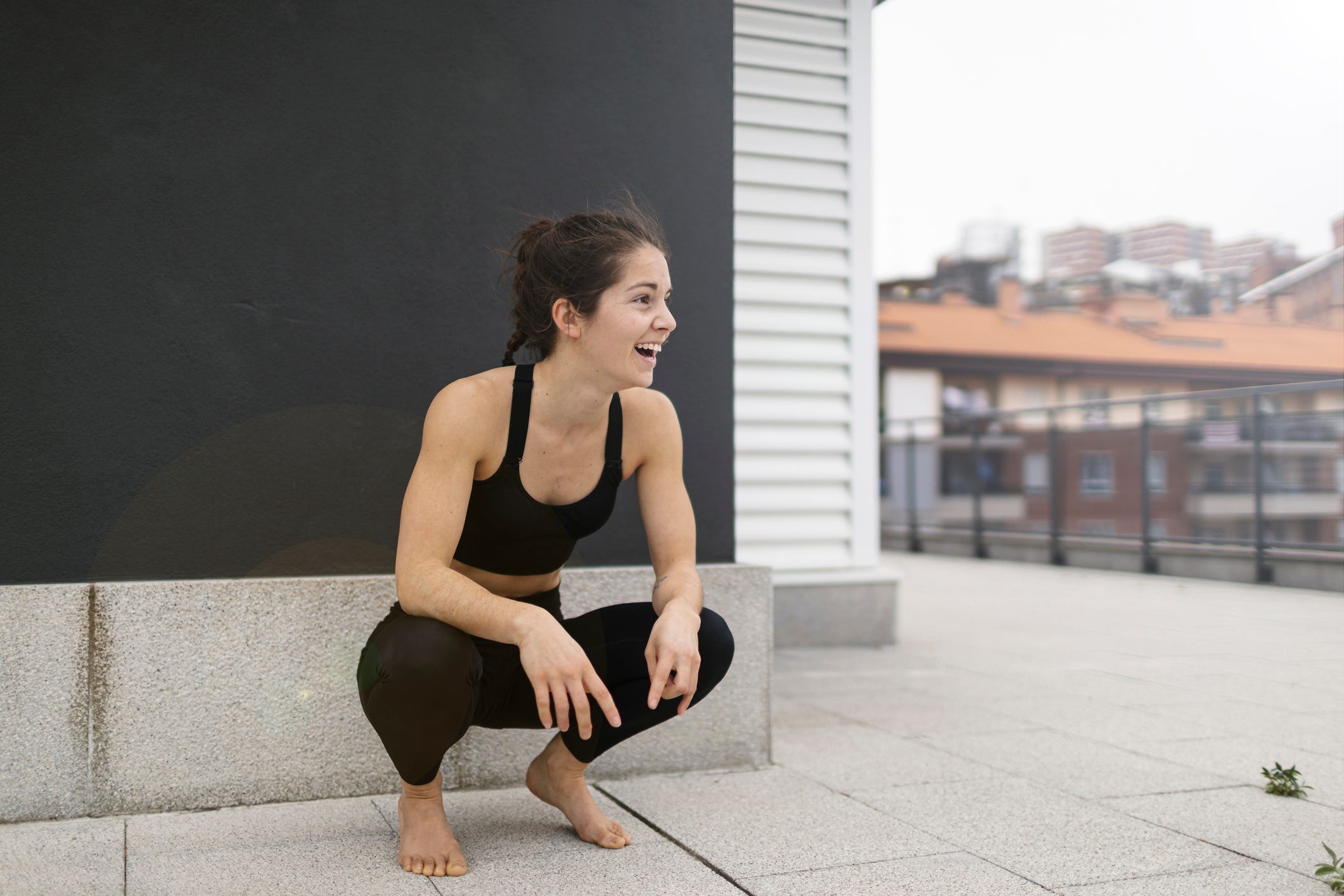
Picture your standard bodyweight squat—feet are hip-width apart, you bend at the knees and lower until your thighs are roughly parallel to the floor, only you don’t drive back up through your whole foot. Instead, you shift your weight to your toes and rise on the balls of your feet. This is a high-heeled squat.
What are the benefits of doing high-heeled squats?
There are a number of reasons Dr Kate Ella incorporates the high-heeled squat into her daily routine:
• It helps to improve balance by strengthening the ankles and feet, and teaching the body how to move safely when it has less stability (in this case, because the weight is in the balls of the feet). “Balance is something I’m particularly aware of as a former orthopedic surgeon who’s treated 100s of broken hips,” she says.
• It builds thigh and glute strength. “This is key to making sure you can get off the floor in your 80s,” Dr Kate Ella says. That said, progressive overload is important for building strength and muscle so, if you are able to, consider including additional strength training exercises in your routine, such as deadlifts and weighted squats, and gradually increasing the difficulty over time.
• It builds vastus medialis strength. “This is an important muscle to stabilize your knees and help with knee pain, which affects so many of us as we get older,” says Dr Kate Ella.
• It builds calf strength. This, Dr Kate Ella says, is crucial for walking mechanics “so that you can push off when taking a step and it doesn’t feel like you’re walking through mud.”
• It improves ankle stability and mobility. “This is essential for getting around and getting down to the ground, and something I’m very aware of having spent a year researching broken ankles for my MD.”
• It improves core strength. Shifting your weight into the balls of your feet while at the bottom of the movement, and then returning to standing without lowering your heels to the ground, requires core engagement.
“Because it helps with balance, leg and core strength, and ankle mobility, I’ve recommended this exercise to so many clients—even my mother, who’s a great example of how movement can help give us back the confidence that’s easy to lose as we get older,” says Dr Kate Ella.
How to do the high-heeled squat exercise
a) Start with a controlled squat like you’re about to sit down on an invisible chair.
b) Then, lift your heels off the ground like you’re wearing high heels.
c) Staying on tiptoes, push back up to standing.
d) Finish by lowering your heels back down to the ground, then repeat.
Dr Kate Ella recommends performing the high-heeled squat exercise for one minute at a time, whenever you can fit it in throughout the day—while brushing your teeth, waiting for the kettle to boil, or watching TV.
High-heeled squat modifications
If you’re new to the exercise and are struggling to maintain balance, Dr Kate Ella advises keeping your heels planted to begin with. “Then, when you feel ready to progress to lifting your heels, you can hold on to a stable surface for balance.”
You could also incorporate a chair if you need a little more support with your squat—simply lower onto the chair, then return to standing.
Once you feel confident performing the high-heeled squat, Dr Kate Ella suggests trying it in reverse. “From standing, rise up onto your tiptoes then, remaining on your tiptoes, squat down, before releasing your heels and returning to standing.”
Abbi Henderson is Acting Nutrition writer who covers health, fitness, women’s sport and lifestyle for Women’s Health and Men’s Health. Before settling in a British seaside town, she spent a couple of years living in Canada, where she contributed to publications such as Best Health, Foodism and Canadian Living, and discovered she is, in fact, a little outdoorsy. With a desire to help make healthcare, exercise and sport more accessible to women, she writes about everything from the realities of seeking medical support as a woman to those of being a female athlete fighting for equality. She has a personal trainer qualification, a couple of medals from her short time in competitive Irish dancing, and an Arsenal Women season ticket. When she’s not in front of a screen working, she enjoys weightlifting, going for walks and stopping for little treats (matchas and pastries), and trying new recipes (that are almost always pasta-based).
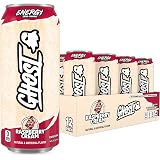
GHOST Energy Drink, Zero Sugars, 12-Pack, Raspberry Cream, 16oz | Energy & Focus Pre Workout Drink, No Artificial Colors, Gluten-Free, Vegan - 200MG Natural Caffeine, L-Carnitine, Taurine
$29.99 (as of October 17, 2026 03:10 GMT +00:00 - More infoProduct prices and availability are accurate as of the date/time indicated and are subject to change. Any price and availability information displayed on [relevant Amazon Site(s), as applicable] at the time of purchase will apply to the purchase of this product.)
The Farmer's Dog Snap Sticks, Human Grade Dog Treats, Beef & Apple 3oz | Human-Grade Dog Treats for Puppies and Adult Dogs, For All Ages, Sizes and Breeds
$11.99 (as of October 17, 2026 03:21 GMT +00:00 - More infoProduct prices and availability are accurate as of the date/time indicated and are subject to change. Any price and availability information displayed on [relevant Amazon Site(s), as applicable] at the time of purchase will apply to the purchase of this product.)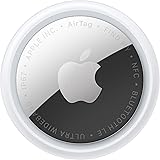
Apple AirTag (2nd Generation): Tracker for Keychain, Wallet, and More; Locator with Sound; Simple One-Tap Setup with iPhone or iPad; Key Finder with up to 1.5X Precision Finding Range
$24.00 (as of October 17, 2026 03:21 GMT +00:00 - More infoProduct prices and availability are accurate as of the date/time indicated and are subject to change. Any price and availability information displayed on [relevant Amazon Site(s), as applicable] at the time of purchase will apply to the purchase of this product.)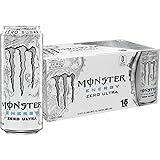
Monster Energy Zero Ultra, Sugar Free Energy Drink, 16 Ounce | Pack of 15
$26.98 (as of October 17, 2026 03:10 GMT +00:00 - More infoProduct prices and availability are accurate as of the date/time indicated and are subject to change. Any price and availability information displayed on [relevant Amazon Site(s), as applicable] at the time of purchase will apply to the purchase of this product.)












Post Comment