
Trump and Xi Just Hit Pause on Trade War—But What’s REALLY Brewing Behind the Scenes?

So here we are again—Trump and Xi shaking hands, agreeing to keep the peace for just a bit longer with a two-month extension on their trade truce. You’ve gotta wonder: is this just another diplomatic dance or a genuine step toward something bigger? While the headlines focus on trade, the real intrigue digs deeper—Taiwan, AI, and that ever-tense strategic rivalry lurking beneath the surface. I’m thinking, in a world that’s racing at breakneck speed with technology and geopolitics, can these two giants really find a common rhythm, or are we just kicking the negotiation can down the road? Markets are already buzzing, betting on whatever comes next—but me? I’m watching closely, because in the game of global power and commerce, every move can trigger waves far beyond the summit room. LEARN MORE

The recent summit between U.S. President Donald Trump and Chinese President Xi Jinping in Washington concluded with a series of notable developments. The two leaders agreed to extend their existing trade truce by two months, aiming for further negotiations on a more comprehensive agreement. The summit also addressed other critical issues such as Taiwan, artificial intelligence (AI), and strategic rivalry, although expectations for major breakthroughs were tempered. The extension of the trade truce appears to suggest an optimistic outlook for future dialogue, and market participants have responded with increased activity in related prediction markets.
Key Takeaways
- The summit resulted in a two-month extension of the trade truce between the U.S. and China, suggesting optimism about continued negotiations.
- Discussions covered key issues including Taiwan, AI, and strategic rivalry, indicating a broad scope of engagement between the two countries.
- Market activity reflects increased interest in the outcomes of the summit, with shifts in prediction markets related to the leaders’ interactions and future U.S.-China relations.
What to Watch
Observers should monitor any further announcements or developments in U.S.-China relations, particularly regarding trade and technology agreements. The extended trade truce may lead to more detailed negotiations, which could impact market expectations and pricing. Additionally, any forthcoming statements from either country’s leadership could further influence prediction market dynamics, particularly in scenarios where warmer diplomatic relations are implied.
Get live prediction-market analysis, powered by Vera. Sign up for Vera.
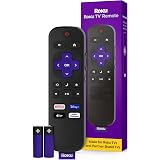
Roku TV Remote Control (Official Manufacturer Product) | Simple Setup & Pre-Set App Shortcuts - Replacement Remote Compatible with RokuTV Models ONLY (Not Roku Players)
$9.99 (as of October 19, 2026 03:22 GMT +00:00 - More infoProduct prices and availability are accurate as of the date/time indicated and are subject to change. Any price and availability information displayed on [relevant Amazon Site(s), as applicable] at the time of purchase will apply to the purchase of this product.)
Amazon Basics Leak-Proof Dog and Puppy Potty Training Pee Pads with Quick-Dry 5-Layer Super Absorbent Design, Regular Size 22 x 22 inch, Blue & White, 100 Count
$19.20 (as of October 19, 2026 03:12 GMT +00:00 - More infoProduct prices and availability are accurate as of the date/time indicated and are subject to change. Any price and availability information displayed on [relevant Amazon Site(s), as applicable] at the time of purchase will apply to the purchase of this product.)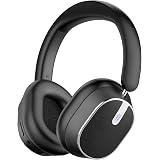
Hybrid Active Noise Cancelling Bluetooth Headphones Wireless Headphones | Over Ear, 120H Playtime, Hi-Res Audio, Deep Bass, Memory Foam Ear Cups for Home Office Travel Black
$32.99 (as of October 19, 2026 03:33 GMT +00:00 - More infoProduct prices and availability are accurate as of the date/time indicated and are subject to change. Any price and availability information displayed on [relevant Amazon Site(s), as applicable] at the time of purchase will apply to the purchase of this product.)
2 Pack [Apple MFi Certified] Wired Headphones for iPhone 14 13 12 Pro Max | 2Pack Wired Earbuds with Built-in Mic & Volume Control HiFi Stereo Nosie Reduction Earphones for iPhone 14 13 12 11 XS XR X 8
$8.99 (as of October 19, 2026 03:33 GMT +00:00 - More infoProduct prices and availability are accurate as of the date/time indicated and are subject to change. Any price and availability information displayed on [relevant Amazon Site(s), as applicable] at the time of purchase will apply to the purchase of this product.)












Post Comment