
UN Shocker: How Abbas’ Video Speech Slammed the US Visa Door and What It Means for Global Power Plays
When the United Nations decides to let Palestinian President Mahmoud Abbas speak via video link after the United States denies him a visa, it’s not just a diplomatic blip—it’s a powerful signal flashing across the geopolitical landscape. Isn’t it ironic how technology bridges walls that politics try to erect? Abbas’s virtual presence at the UN highlights a tenacious international willingness to engage with Palestinian leadership despite the US’s cold shoulder. And here’s where it gets even juicier for market watchers: this move has nudged the probability needle, however slightly, on Palestine gaining formal recognition before 2027—even if the odds remain dauntingly slim. It’s a dynamic dance of diplomacy, geopolitics, and market speculation playing out right before our eyes—and if you’re thinking this has no bearing on your portfolio, think again. Curious how these slow-burn international developments ripple through prediction markets and what that means for the future? Dive deeper and unpack the layers behind this unfolding story.
The United Nations has decided to permit Palestinian President Mahmoud Abbas to deliver his speech via video link after the United States denied him a visa to attend in person. This move was made following a vote, reflecting support for Abbas’s participation despite the US’s restrictive stance. The decision underscores the ongoing international engagement with Palestinian leadership, which comes amid broader discussions about Palestine’s recognition on the world stage.
Market participants appear to interpret this development as a sign of international support for Palestine, potentially influencing the likelihood of formal recognition by various countries, including the US, before the end of 2026. Current pricing in prediction markets suggests a slight increase in the perceived probability of such recognition occurring.
Despite the market’s indication of increased probability, the overall odds remain relatively low, with the US recognition sub-market showing a 3% YES likelihood by the end of 2026. This reflects ongoing geopolitical complexities and the significant hurdles that remain for any shift in official US policy toward recognizing Palestine.
Key Takeaways
- The UN’s decision for President Abbas to speak via video suggests ongoing international support for Palestine.
- Market pricing implies a slight increase in the perceived probability of US recognition of Palestine before 2027.
- Despite this, the odds remain low, with significant challenges still present for a shift in US policy.
What to Watch
Observers will closely monitor any official statements or diplomatic moves from the US State Department, which could provide further clarity on America’s stance toward Palestinian recognition. Additionally, reactions from other key international actors, such as the European Union and the Arab League, could influence market perceptions of recognition likelihood. Future UN resolutions or bilateral agreements involving Palestine may further sway market sentiment in either direction.
Get live prediction-market analysis, powered by Vera. Sign up for Vera.
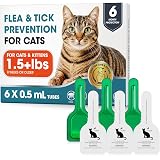
Topical Flea and Tick for Cats & Kittens Over 1.5 lbs, Waterproof, Monthly At-Home Cat Care for Cats 8 Weeks or Older, 6-Dose Supply
$28.99 (as of October 8, 2026 03:20 GMT +00:00 - More infoProduct prices and availability are accurate as of the date/time indicated and are subject to change. Any price and availability information displayed on [relevant Amazon Site(s), as applicable] at the time of purchase will apply to the purchase of this product.)
Dr. Elsey's Ultra UnScented Clumping Clay Cat Litter 40 lb. Bag
$22.99 (as of October 8, 2026 03:10 GMT +00:00 - More infoProduct prices and availability are accurate as of the date/time indicated and are subject to change. Any price and availability information displayed on [relevant Amazon Site(s), as applicable] at the time of purchase will apply to the purchase of this product.)
Delectables Squeeze Up Variety Pack, Creamy Squeezable Puree, Lickable Wet Cat Treats, Grain Free, No Added Fillers, No By-Products, No Added Preservatives, 0.5 Ounces Tube, 24 Tubes Total
$9.62 (as of October 8, 2026 03:10 GMT +00:00 - More infoProduct prices and availability are accurate as of the date/time indicated and are subject to change. Any price and availability information displayed on [relevant Amazon Site(s), as applicable] at the time of purchase will apply to the purchase of this product.)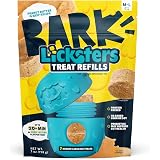
BarkBox LICKSTERS Peanut Butter & Beef Treat Refills - Medium and Large | Peanut Butter & Beef Recipe Dog Treats - Probiotics for Gut Health, No Corn or Soy, Made in the USA - For LICKSTERS Toy
$14.99 (as of October 8, 2026 03:20 GMT +00:00 - More infoProduct prices and availability are accurate as of the date/time indicated and are subject to change. Any price and availability information displayed on [relevant Amazon Site(s), as applicable] at the time of purchase will apply to the purchase of this product.)







Post Comment