
Unlock Alexandra Daddario’s Secret Crunch Hack That Transforms Abs at 40—Do This One Move Right and Watch Your Core Explode with Power!
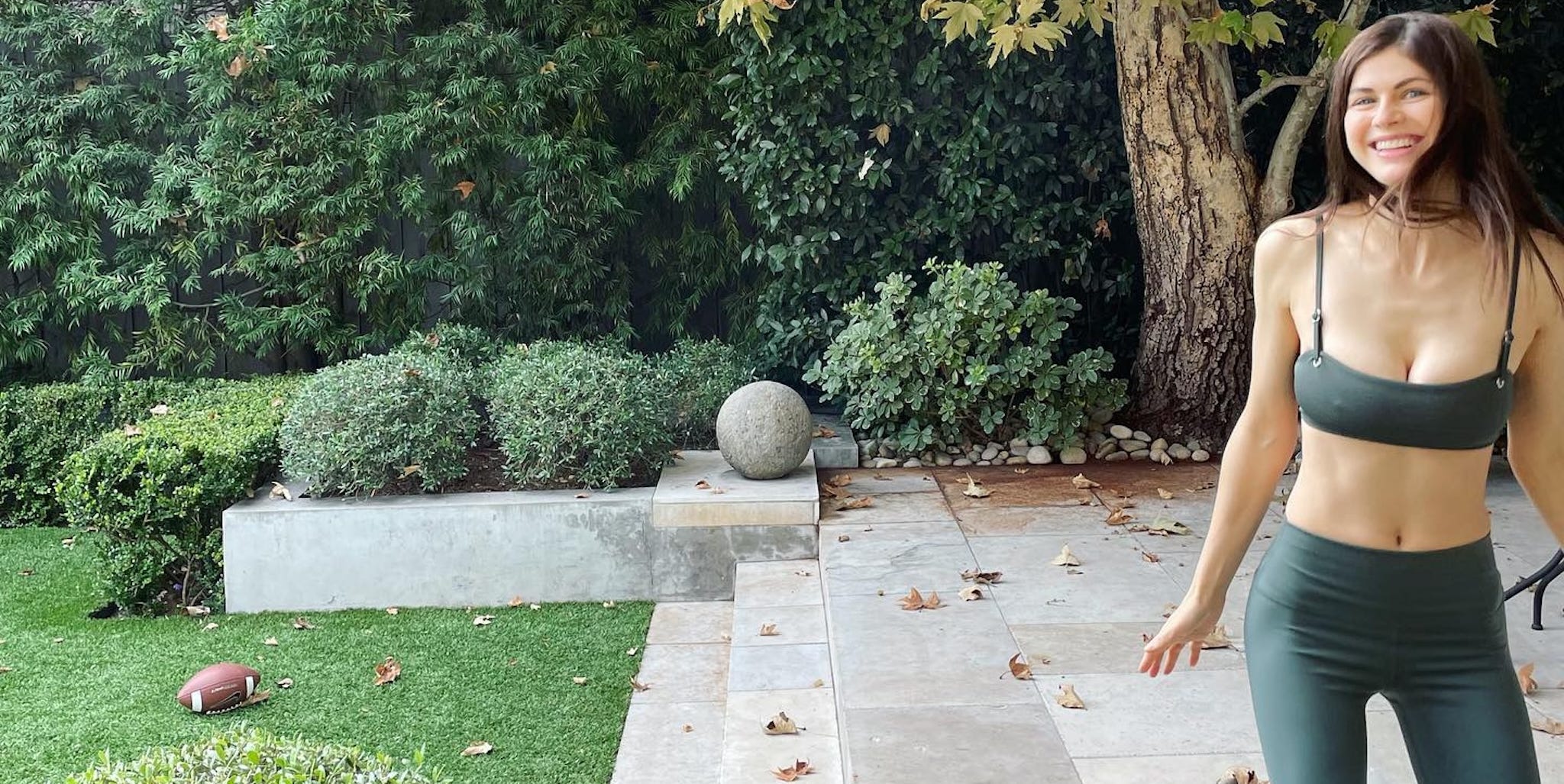
Ever wondered if there’s a single move that can flip your whole core workout — no gimmicks, just pure power? Well, Alexandra Daddario might just have cracked the code. From tough Baywatch drills to training alongside the elite Patrick Murphy, she’s not just flaunting abs for the ‘Gram; she’s honing a move that smashes the usual crunch routine. This isn’t your run-of-the-mill sit-up; it’s a reverse crunch that catapults into a shoulder stand, engaging muscles most of us ignore — especially those neglected desk-bound warriors among us. Think stronger core, upright posture, and a back that says “thank you.” Curious? Let’s dive into why this powerhouse move deserves a spot in your next sweat sesh. LEARN MORE
 2 min read
From enduring some serious physical prep for Baywatch to working consistently with elite trainer Patrick Murphy, Alexandra Daddario’s dedication to fitness is well-documented. She often shares insights on social media, and in a recent Instagram post, the White Lotus star gave an insight into how she trains her core with one powerhouse movement: the reverse crunch into shoulder stand.
Why is it so good? Most traditional ab exercises require repetitive spinal flexion—the process of pulling your chest down toward your knees, like in a standard crunch. This isolates only the upper section of your abs, and for women who spend hours sitting at a desk, it can reinforce a slouched, rounded posture.
Daddario’s movement flips the mechanics entirely since you actively curl your pelvis up toward your chest. In doing so, you target not only your upper abs, but the lower portion and your obliques (the sides) simultaneously, all while keeping your chest open and your neck unstrained. This translates into a much stronger core, better posture and crucial lower back protection. Research also shows that a controlled posterior tilt – the lower-body curl that initiates Daddario’s move – recruits a significantly higher percentage of deep core muscle fibers than traditional crunches.

Daddario then drives her hips directly up into a vertical shoulder stand. This completely removes momentum from the equation (meaning you can’t “cheat”) and forces your abs—particularly your obliques—to balance your body and prevent you from tipping sideways.
She then takes it one step further into a Pilates plow position with her legs overhead, before reversing the movement and, again, using her abs to control the lowering of her entire lower body as she slowly unrolls her spine down onto the mat. The plow portion is optional (and super advanced); the slow, controlled, lowering phase, which happens whether you move into plow or not, is where the magic happens, challenging your core through both lifting and resisting gravity. Inspired? Here’s exactly how to do the move with good form, and how many reps and sets to aim for.
How to do a reverse crunch into shoulder stand
- Lie on your back (either on a mat, or on a reformer Pilates machine, like Daddario, with your arms anchored tightly to the floor.
- Engage your core to curl your knees toward your chest, then fluidly press your feet straight up toward the ceiling, lifting your hips and lower back off the floor.
- Slowly lower down, one vertebra at a time. Aim for 3 sets of 6-8 controlled reps.
Optional progression:
- As you reach shoulder stand with your legs extended to the ceiling, slowly start to lower your toes toward the floor over your head. Your weight should rest entirely on your shoulders and upper back – not your neck.
- Keeping your legs straight, use your core to extend them straight back up to the ceiling, then control the descent by rolling your spine down one vertebra at a time, with your legs remaining straight.
As Women’s Health UK’s fitness director and a qualified Pilates and yoga instructor, Bridie Wilkins has been passionately reporting on exercise, health and nutrition since the start of her decade-long career in journalism.
After earning a first-class degree in journalism and NCTJ accreditation, she secured her first role at Look Magazine, where she launched the magazine’s health and fitness column, Look Fit, before going on to become Health and Fitness writer at HELLO!
Since, she has written for Stylist, Glamour, Cosmopolitan, Marie Claire, Elle, The Metro, Runner’s World and Red. Today, she oversees all fitness content across Women’s Health online and in print, spearheading leading cross-platform franchises, such as ‘Fit At Any Age’, which showcases the women proving that age is no barrier to exercise.
She has also represented the brand on BBC Radio London, plus various podcasts and Substacks – all with the aim to encourage more women to exercise and show them how. Outside of work, find her trying the latest Pilates studio, testing her VO2 max for fun (TY, Oura), or posting workouts on Instagram.
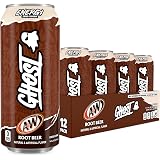
GHOST Energy Drink, Zero Sugars, 12-Pack, A&W Root Beer, 16oz | Energy & Focus Pre Workout Drink, No Artificial Colors, Gluten-Free, Vegan - 200MG Natural Caffeine, L-Carnitine, Taurine
$29.99 (as of October 19, 2026 03:10 GMT +00:00 - More infoProduct prices and availability are accurate as of the date/time indicated and are subject to change. Any price and availability information displayed on [relevant Amazon Site(s), as applicable] at the time of purchase will apply to the purchase of this product.)
Organic Banana Bunch (4-5 Count)
(as of October 19, 2026 03:10 GMT +00:00 - More infoProduct prices and availability are accurate as of the date/time indicated and are subject to change. Any price and availability information displayed on [relevant Amazon Site(s), as applicable] at the time of purchase will apply to the purchase of this product.)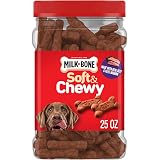
Milk-Bone Soft & Chewy Dog Treats, 25 Oz. Canister | Made with real beef & filet mignon, tender dog treats, easy to chew, for dogs of all ages and sizes
$14.48 (as of October 19, 2026 03:12 GMT +00:00 - More infoProduct prices and availability are accurate as of the date/time indicated and are subject to change. Any price and availability information displayed on [relevant Amazon Site(s), as applicable] at the time of purchase will apply to the purchase of this product.)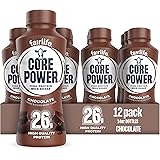
Core Power Fairlife 26g Protein Milk Shakes, Liquid Ready To Drink for Workout Recovery, Chocolate, 14 Fl Oz Bottle (Pack of 12)
$41.88 (as of October 19, 2026 03:10 GMT +00:00 - More infoProduct prices and availability are accurate as of the date/time indicated and are subject to change. Any price and availability information displayed on [relevant Amazon Site(s), as applicable] at the time of purchase will apply to the purchase of this product.)










Post Comment