
Unlock Insane Sleep Gains: Dietitians Reveal Supplements That Actually Crush Insomnia—No BS!
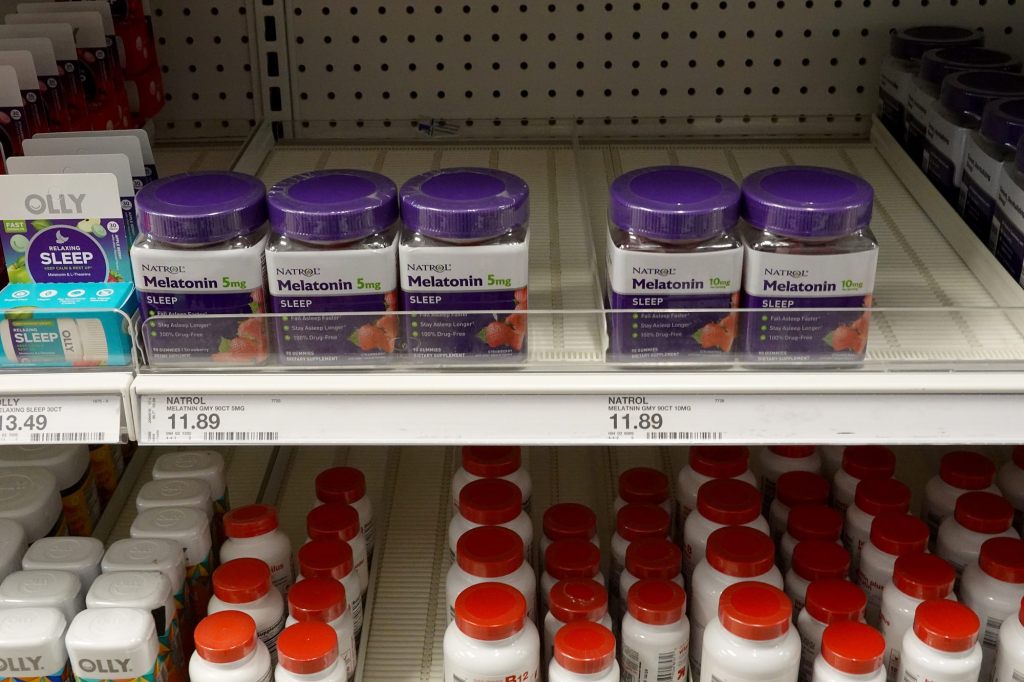
Ever found yourself staring at the ceiling at 3 a.m., wondering why your brain just won’t quit its midnight marathon? Believe me, you’re not alone—and those restless nights? They do more than just leave you bleary-eyed the next day. Poor sleep can throw your mood out of whack, zap your focus, and even sneakily chip away at your long-term health. And honestly, who hasn’t been tempted by the endless array of pills, powders, and gummies promising to tuck you into a dreamland deep enough to forget about tomorrow’s to-do list? But before you reach for that mysterious bottle sitting pretty on the shelf, let’s unpack what real experts—dietitians and sleep researchers—have to say about these sleepy supplements. Which ones are backed by science, and which ones might just be wishful thinking? Hang tight, because here’s the lowdown on the supplements that might actually help you catch those elusive Z’s. LEARN MORE
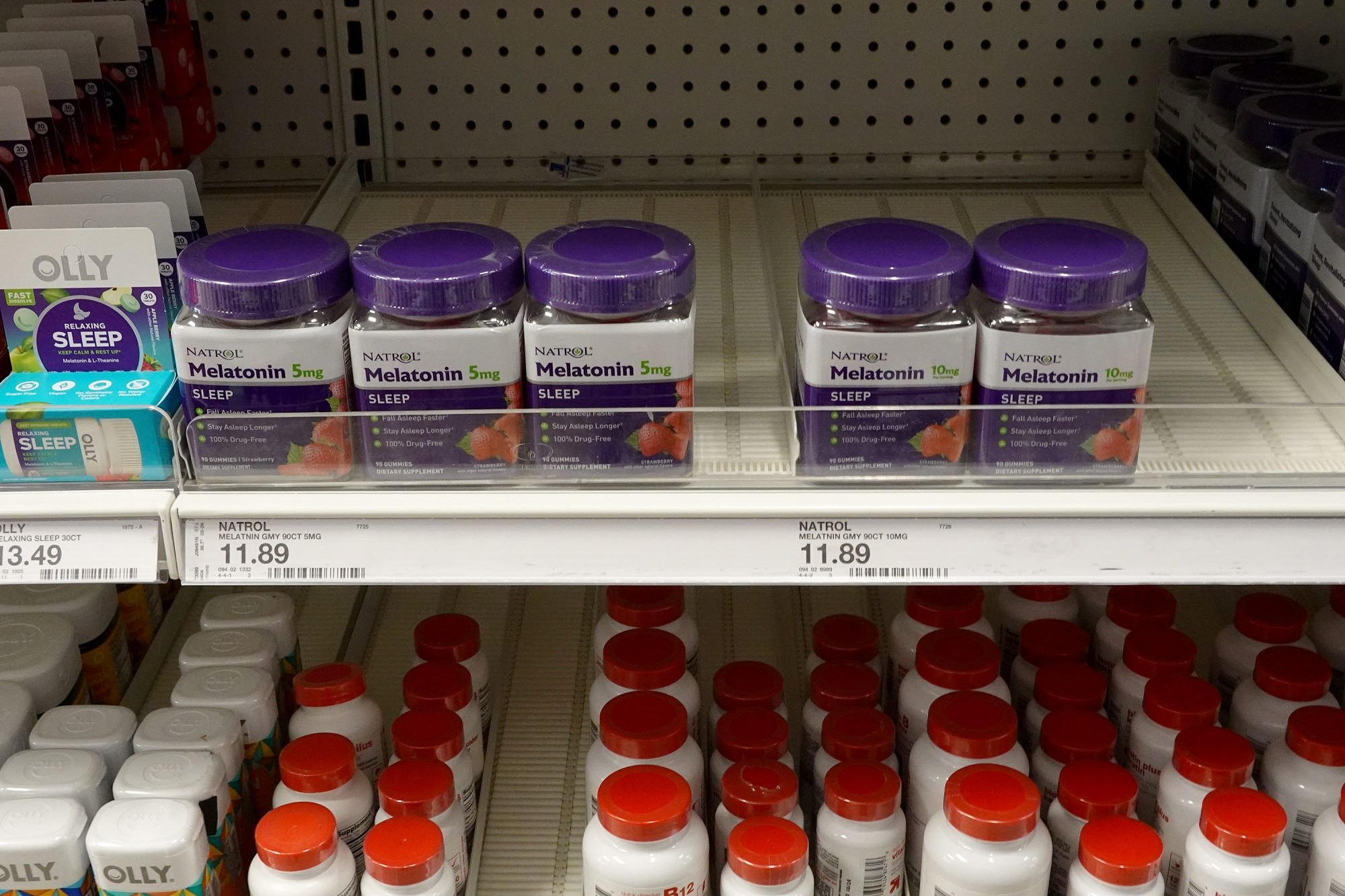
Restless nights come with real consequences. Poor sleep affects mood, focus and long-term health, and the supplement aisle keeps expanding with pills, powders and gummies promising deeper rest.
Before adding anything to your nightstand, here is what dietitians and sleep researchers actually recommend, and what the evidence says about each option.
How magnesium supports better sleep
Saema Tahir, M.D., told Eating Well that magnesium glycinate stands out among sleep aids because of its safety record and the science behind how it works.
“Magnesium glycinate is one of the few supplements I feel confident recommending because the safety profile is strong and the rationale is solid. It activates the parasympathetic nervous system and supports GABA receptor activity, essentially helping your brain and body shift into a calmer state before bed,” Tahir said.
Why melatonin gets so much attention
Johns Hopkins sleep expert Luis F. Buenaver, Ph.D., C.B.S.M, told Hopkins Medicine that the popular hormone is often misunderstood.
“Your body produces melatonin naturally. It doesn’t make you sleep, but as melatonin levels rise in the evening it puts you into a state of quiet wakefulness that helps promote sleep,” Buenaver said.
He added, “Most people’s bodies produce enough melatonin for sleep on their own. However, there are steps you can take to make the most of your natural melatonin production, or you can try a supplement on a short-term basis if you’re experiencing insomnia, want to overcome jet lag, or are a night owl who needs to get to bed earlier and wake up earlier, such as for work or school.”
What ashwagandha, valerian root and L-theanine can do
Ashwagandha is an adaptogenic herb traditionally used to help the body manage stress. Writing for WebMD, Leah Rosenbaum summarized the research this way.
“One study showed taking 300 milligrams of the herb two times a day improved sleep, and another found that people who took 120 milligrams of an ashwagandha extract reported a significant improvement in sleep quality. A meta-analysis of five studies looked at ashwagandha’s impact on sleep in humans. It found that the herb had a small but significant impact on improving sleep, especially in people who had insomnia. The benefits were greatest when people took at least 600 milligrams of ashwagandha each day for 8 weeks or longer.”
Valerian root is another herbal supplement traditionally used for relaxation and sleep. L-theanine, an amino acid naturally found in green tea, may promote calm by increasing brain chemicals like GABA, dopamine and serotonin without heavy sedation.
Where CBD and tart cherry juice fit in
CBD (cannabidiol) interacts with the body’s endocannabinoid system, which plays a role in stress, mood and sleep regulation. Lauren Fountain of the Sleep Foundation explained why the anxiety connection matters.
“People who suffer from insomnia experience difficulty falling asleep or staying asleep at night. Because of their history of poor sleep, people with insomnia may suffer from anxiety about getting inadequate sleep, which can then increase sleeplessness at night. Given the potential positive outcomes of CBD treating anxiety, it is speculated that CBD may also help reduce the anxiety associated with insomnia,” Fountain wrote.
Tart cherries offer a food-based option. They naturally contain melatonin and antioxidant compounds called anthocyanins.
“A small glass of tart cherry juice is my ‘secret’ to sleeping better,” culinary nutritionist Jackie Newgent, RDN, told Yahoo Health. “The juice may help play a role in slightly improving sleep duration and quality, especially for older people or those with insomnia.”
What to know before you try a sleep supplement
Supplements are not regulated like medications, and dosages, quality and interactions vary widely. Talk with a doctor before starting anything new, especially if you take other medications or have a chronic condition.
Sleep experts generally frame these options as a short-term aid rather than a long-term fix. That means pairing any supplement with better sleep habits, including consistent bedtimes, limited screen use at night and a cool, dark room.
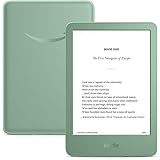
Amazon Kindle 16 GB (2024 model) - Light and compact, with fast page turns, and high contrast ratio - Matcha
$103.99 (as of October 8, 2026 03:20 GMT +00:00 - More infoProduct prices and availability are accurate as of the date/time indicated and are subject to change. Any price and availability information displayed on [relevant Amazon Site(s), as applicable] at the time of purchase will apply to the purchase of this product.)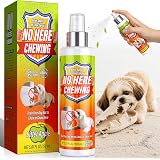
Meelna Bitter Apple Spray for Dogs, Dog No Chew Spray to Stop Chewing & Gnawing, Natural Anti‑Chew Training Aid for Puppies, Safe for Furniture or Shoes, Indoor and Outdoor Behavior Corrector
$19.99 (as of October 8, 2026 03:20 GMT +00:00 - More infoProduct prices and availability are accurate as of the date/time indicated and are subject to change. Any price and availability information displayed on [relevant Amazon Site(s), as applicable] at the time of purchase will apply to the purchase of this product.)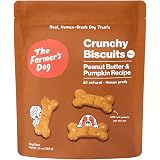
The Farmer's Dog Human-Grade Crunchy Dog Biscuits, Peanut Butter & Pumpkin | All-Natural Dog Treats Made with Real Ingredients For Puppies and Adult Dogs, For All Ages, Sizes and Breeds
$10.11 (as of October 8, 2026 03:20 GMT +00:00 - More infoProduct prices and availability are accurate as of the date/time indicated and are subject to change. Any price and availability information displayed on [relevant Amazon Site(s), as applicable] at the time of purchase will apply to the purchase of this product.)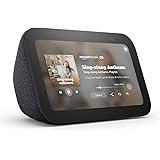
Amazon Echo Show 5 (newest model), Smart display, Designed for Alexa+, 2x the bass and clearer sound, Charcoal
$59.99 (as of October 8, 2026 03:10 GMT +00:00 - More infoProduct prices and availability are accurate as of the date/time indicated and are subject to change. Any price and availability information displayed on [relevant Amazon Site(s), as applicable] at the time of purchase will apply to the purchase of this product.)












Post Comment