
Unlock Rock-Hard Glutes Without a Single Weight—The Frog Pump Secret the Pros Swear By!
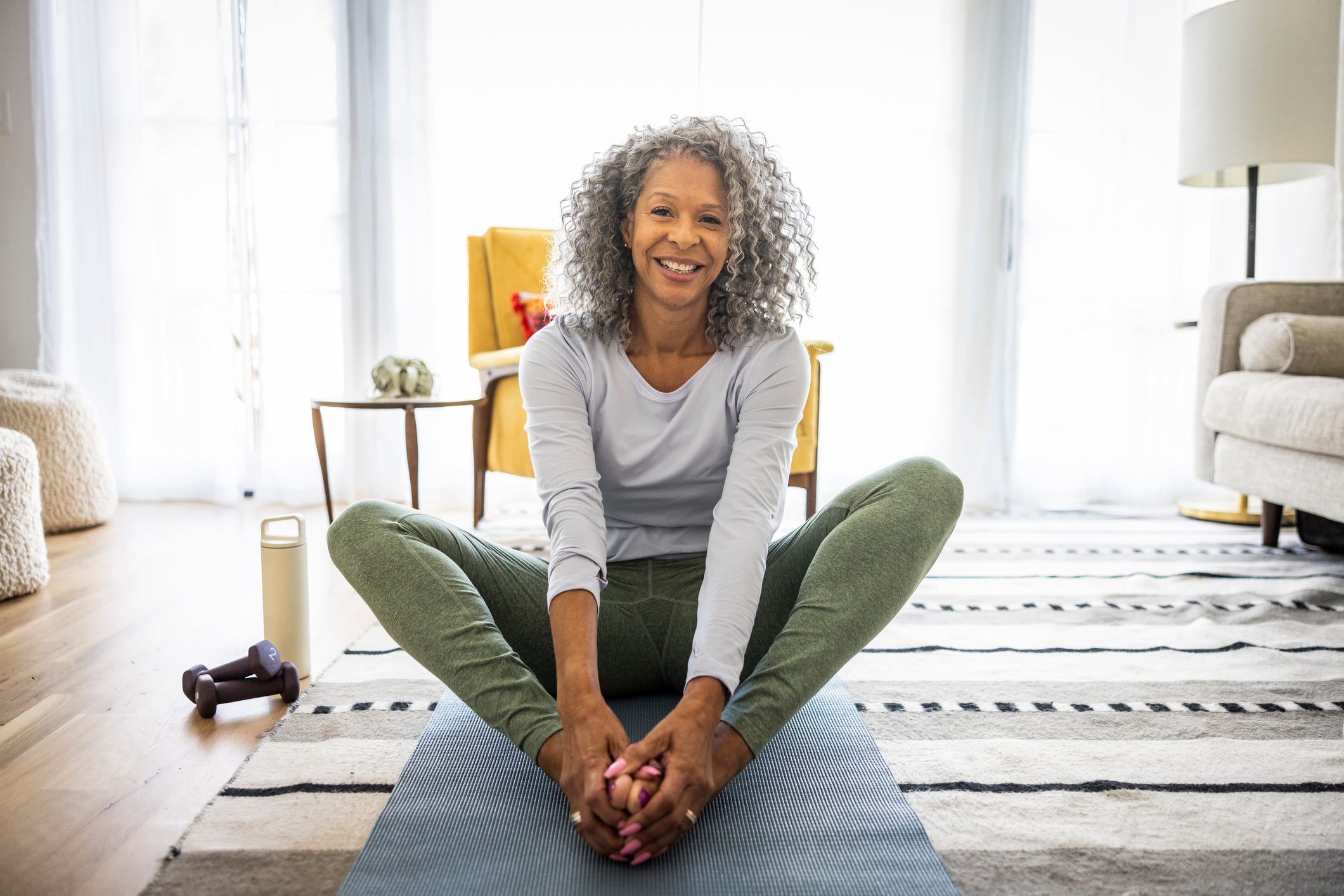
Ever wondered why you can’t quite shake that nagging lower back pain after a day of sitting, despite all your best efforts? Well, it might be your glutes quietly throwing in the towel. Beyond just shaping your derrière, these powerhouse muscles are the unsung heroes stabilizing your pelvis, supporting your lower back, and fueling every stroll, jump, or climb you conquer. But here’s the kicker — if you’re glued to a chair too long, those crucial muscles lose their mojo. Enter frog pumps—a deceptively simple move that zeroes in on your glutes without calling in the quads or hamstrings for backup. Wanna know how to revive and reignite this vital muscle group with a move that’ll have you feeling the burn and the benefits in just minutes? Dive in and I’ll walk you through it. LEARN MORE
 3 min read
Beyond aesthetics, your glutes are among your body’s most important muscles, responsible for stabilizing your pelvis, supporting your lower back, and generating power when you walk, lift, jump, run, or climb stairs. Unfortunately, inactivity and prolonged sitting can reduce their strength.
The frog pump exercise can help to combat some of this function loss. As an isolation exercise, it targets your glutes with minimal use of your quads or hamstrings, helping with focused activation and engagement.
What are frog pumps?
They’re a glute-dominant exercise exercise performed in a lying (supine) position, says Daniel Booth, personal trainer, strength and conditioning coach, performance psychologist, and the co-founder of MyoLab Performance Concierge.
“Your hips are placed into external rotation, so your thigh bones (femurs) turn outward in your hip socket and rotate away from your body’s midline,” he explains. They’re also abducted, or moved out to the sides.
“In practice, that means the soles of your feet are together and your knees are dropped out,” he continues. By externally rotating your hips, you:
- Increase reliance on your gluteus maximus to produce force
- Bring in your glute medius and minimus as stabilizers as your leg is moved outward from your body
- Reduce your hamstrings involvement in hip extension
How to do frog pumps
Setup
a) Lie on your back. Bring the soles of feet your together, heels close to your glutes
b) Let your knees fall out naturally. Keep your arms relaxed by your sides or on your hips
Execution
c) Set your trunk by keeping your ribs down and pelvis tucked under slightly
d) Drive through the outer edges of your feet
e) Extend your hips by squeezing your glutes, not arching your back
f) Reach full hip extension and hold for 1-2 seconds
g) Lower under control and repeat
“You’re not chasing height,” reminds Booth. “You’re chasing tension and position. If you feel this more in your lower back than your glutes, you’ve lost pelvic control.”
Muscles worked
Primary
- Gluteus maximus: the primary hip extensor, responsible for force production
Secondary
- Gluteus medius and minimus: stabilize your thigh bone (femur) when it’s moved away from the midline of your body in the abducted position
- Hamstrings: they assist, but less so due to your hip position
- Deep hip rotators: support joint stability
- Front (anterior) core: controls pelvic positioning
3 benefits of the frog pump exercise
1. Targeted glute engagement without heavy weights
The turned-out position creates a better position for force production for your glutes, allowing for high levels of activation at relatively low weight (or using just bodyweight), says Booth.
That’s valuable when:
- You’re early in a session (activation/priming)
- You’re managing fatigue
- You’re in rehab or slowly returning to working out after time off or injury
2. Improved neuromuscular coordination
“A lot of people don’t lack strength—they lack access to that strength,” insists Booth.
Frog pumps improve the activation of muscle fibers by your brain and nervous system (motor unit recruitment), help your glutes to engage sooner during hip extension, and increase awareness of pelvic positioning.
3. Stop other muscles taking over (compensation)
When your glutes underperform, your body finds a workaround, says Booth:
- Lower back takes over (lumbar spine extends)
- Hamstrings dominate hip extensions
- Knee mechanics become inefficient
Frog pumps limit how much you can ‘cheat’ the movement, as it’s harder to use these compensations, forcing better form and a cleaner movement strategy.
3 frog pump modifications
EASIER:
Assisted or partial-range frog pumps
a) Reduce your range of motion
b) Use hands lightly on the floor for stability
Why they work:
- Decrease coordination demand
- Allows focus on proper basic muscle contraction
These are best for beginners or early-stage rehabbing, say Booth.
HARDER:
Banded frog pumps
a) Place a band above your knees
c) Actively push your knees outward during reps
Why they work:
- Makes it harder to push your thighs outwards (increases hip abduction demand)
- Increase how much your glute medius and minimus work (recruitment)
- Your muscles and nervous system have to work harder
“This leads to more tension, more fatigue, and improved glute coordination and use,” Booth explains
INJURY-FRIENDLY PROGRESSION:
Loaded frog pumps or frog thrusts
a) Add a dumbbell or barbell over hips
b) Or elevate your shoulders on a bench (hip thrust variation)
Why this works:
- Increases resistance without compressing your spine
- Maintains glute focus while progressing strength
These are best for building strength without aggravating your spine and transitioning back to heavier compound lifts that work multiple muscle groups, says Booth.

Daniel Booth is a high-performance coach and consultant, and the co-founder of MyoLab Performance Concierge, which cultivates excellence within elite performers, working on everything from strength and conditioning to injury-risk reduction and competition preparation. He previously led performance management as head coach at Warner Bros. and Watford FC Women. Find him on Instagram.

Dr Pepper, Zero Sugar, 12 Ounce, 12 Count
$6.00 (as of November 28, 2026 03:25 GMT +00:00 - More infoProduct prices and availability are accurate as of the date/time indicated and are subject to change. Any price and availability information displayed on [relevant Amazon Site(s), as applicable] at the time of purchase will apply to the purchase of this product.)
Amazon Kindle 16GB (newest model), Now thinner, lighter, and faster, 6" display, Ube
$149.99 (as of November 28, 2026 03:39 GMT +00:00 - More infoProduct prices and availability are accurate as of the date/time indicated and are subject to change. Any price and availability information displayed on [relevant Amazon Site(s), as applicable] at the time of purchase will apply to the purchase of this product.)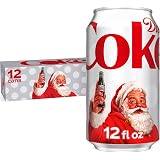
Diet Coke Soda Soft Drink Cans, 12 fl oz, 12 Pack | No sugar, no calories, 46 mg caffeine per can
$8.42 (as of November 28, 2026 03:25 GMT +00:00 - More infoProduct prices and availability are accurate as of the date/time indicated and are subject to change. Any price and availability information displayed on [relevant Amazon Site(s), as applicable] at the time of purchase will apply to the purchase of this product.)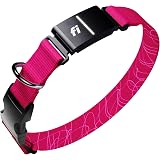
Fi Series 3+ Smart GPS Dog Collar & Pet Health Tracker, Pink, Large | Real-time location tracking device, Escape Alerts, virtual fence, health/activity monitoring, up to 3 months battery
$64.50 (as of November 28, 2026 03:29 GMT +00:00 - More infoProduct prices and availability are accurate as of the date/time indicated and are subject to change. Any price and availability information displayed on [relevant Amazon Site(s), as applicable] at the time of purchase will apply to the purchase of this product.)











Post Comment