
Unlock Sharper Memory and Brain Boosting Power with This One Surprising Mushroom You’ve Never Tried!
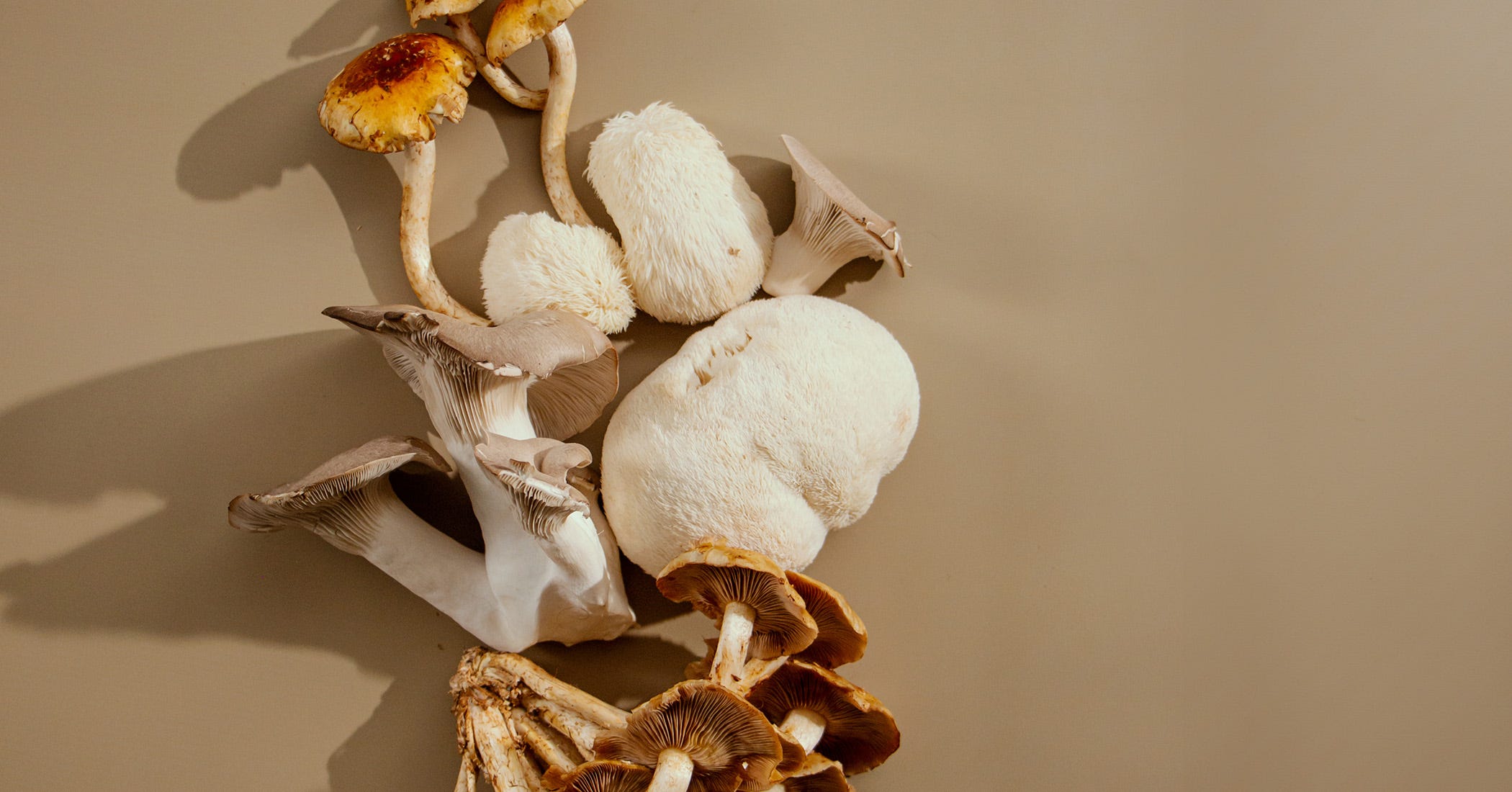
Ever wonder if chomping on mushrooms could actually boost your brainpower—or if that’s just another health myth mushrooming around the internet? Well, hold on to your diet hats, because fresh research is throwing some serious weight behind maitake mushrooms, aka the “hen of the woods,” as potential cognitive contenders. Imagine sneaking these fungi into your diet, and suddenly your memory recall perks up—not just any mushrooms, but a very specific strain that’s catching the eye of scientists. Yet, don’t get too carried away thinking mushrooms alone will turn you into a mental superhero. It’s a puzzle piece, not the full picture. Curious to see what the experts and a groundbreaking study have to say about this woody wonder? Let’s dive into the fascinating findings and the realities you need to know. LEARN MORE
 4 min read
- New research suggests maitake mushrooms could support cognitive health.
- Also known as “hen of the woods,” these mushrooms were linked to better cognition in older adults.
- Experts stress that eating mushrooms alone is unlikely to change your brain health.
In good news for mushroom lovers, a new study has flagged a specific type of fungi for its brain-boosting power. This study linked eating foods enriched with a specific strain of maitake mushroom—aka hen of the woods—to better cognitive scores in older adults. The study compared two strains of maitake mushrooms along with a control group to assess the mushroom’s effect on cognition, and the results are definitely worth mulling over.
Here’s exactly what researchers found, plus what a neurologist and dietitians want you to keep in mind about the findings.
Meet the experts: Clifford Segil, DO, a neurologist at Providence Saint John’s Health Center in Santa Monica, California; Jessica Cording, RD, CDN, author of The Little Book of Game-Changers; and Keri Gans, RDN, author of The Small Change Diet
What did the study find?
The randomized controlled trial, which was published in the Journal of Nutritional Science and Vitaminology, followed a group of 47 healthy participants in Japan who were between the ages of 60 and 85.
The participants were split into three groups: One group was asked to eat two pieces of bread that contained 50 grams of a maitake mushroom strain called Y10M each day, another ate bread with 50 grams of a maitake strain called C5304, while the third group had bread with no mushroom in it. The bread was baked with tomato and onion powder to hide the mushroom-y taste.
Before and after the 18-week trial, researchers had the participants take a range of tests to measure their cognition. While scores on more traditional cognitive tests didn’t change for any of the groups, people in the Y10M maitake strain had significantly higher scores in the Montreal Cognitive Assessment, specifically when it came to memory recall. (The group that had the C5304 strain didn’t see a boost in memory.)
“This study suggests that consumption of maitake mushrooms may help inhibit the decline in cognitive function in healthy older individuals,” the researchers wrote in the conclusion.
Why might this specific mushroom boost cognition?
It’s important to point this out: Several of the study’s researchers work for a company that sells mushroom products. And while this was a randomized controlled trial (stronger than, say, an observational study), the findings suggesting the Y10M strain may improve certain cognition measures still need to be replicated in larger studies. Still, there are a few things to unpack here.
The researchers dove a little deeper after linking the Y10M strain to a boost in cognitive power and analyzed the participants’ blood for natural killer cells. These white blood cells are an early defense mechanism in the body when you have an infection or injury, or when you need tissue repair.
They found that people in the Y10M group saw an increase in early activation markers on their natural killer cells, which was also linked with better memory scores in the cognitive tests. So, there could be something about Y10M activating natural killer cells that is linked to the memory boost.
But there could be other things at play, as well. “Maitake contains compounds called polysaccharides, including beta-glucan, that may support immune function and, in turn, brain health,” says Keri Gans, RDN, author of The Small Change Diet.
Maitake mushrooms also have ergothioneine, an antioxidant that may help protect cells from oxidative stress, says Jessica Cording, RD, CDN, author of The Little Book of Game-Changers. “That matters because oxidative stress is believed to play a role in age-related cognitive decline and neurodegenerative diseases.” Maitake mushrooms may even support blood sugar metabolism, she says. “More research, especially research in humans, is needed,” Cording adds.
Can all mushrooms support brain health?
Some mushrooms have more of a reputation for being brain-boosters than others. “Lion’s Mane is a mushroom-based product which has been shown to maybe help patients with memory loss and cognitive problems,” says Clifford Segil, DO, a neurologist at Providence Saint John’s Health Center in Santa Monica, California. But, he says, the exact way Lion’s Mane works on the brain isn’t known. Dr. Segil says it’s possible that maitake mushrooms may have a similar impact on the brain.
Cording points out that edible mushrooms tend to be very nutrient dense. “Most are a good source of nutrients that are important for overall health, including brain health, such as B-vitamins, copper, potassium, and selenium in addition to health-promoting nutrients such as ergothioneine, beta-glucans, polyphenols, and the antioxidant glutathione,” she says.
Still, it’s tough to say that noshing on mushrooms will significantly alter your cognitive health. “I enjoy mushrooms, but I doubt they are a brain superfood,” Dr. Segil says.
How do you cook this?
This particular study added a specific strain of maitake mushrooms to bread, but didn’t specify a recipe. “We do not know whether one cooking method is better than another,” Gans says. However, she points out that putting the mushroom in bread suggests that cooking it doesn’t mess with maitake’s potential benefit. (While maitake mushrooms aren’t found at all grocery stores, they’re regularly in stock and labeled as “maitake” or “hen of the woods” in stores with more robust produce sections.)
“While a select few nutrients may be degraded with heat, cooking mushrooms is thought to be overall beneficial,” Cording says. “This helps make them more digestible—and edible, in some cases—and may actually enhance the bioavailability of certain nutrients.”
If you like mushrooms, including hen of the woods mushrooms, you can feel free to go ahead and chow down on them. But keep your expectations in check when it comes to their brain-boosting power. “Look at mushrooms as one piece of an overall brain-healthy diet—not a magical standalone solution,” Cording says. “If you eat an otherwise nutrient-poor diet, don’t exercise, and don’t address issues like stress and sleep challenges, adding mushrooms likely won’t do much for you.”

PETHIS No Brushing Dog & Cat Teeth Cleaning Spray - Dog Breath Freshener & Plaque Remover, Pet Oral Care Spray for Dogs and Cats Tartar Control & Healthy Gums 3.38 fl oz / 100ml
$26.99 (as of October 23, 2026 03:23 GMT +00:00 - More infoProduct prices and availability are accurate as of the date/time indicated and are subject to change. Any price and availability information displayed on [relevant Amazon Site(s), as applicable] at the time of purchase will apply to the purchase of this product.)
ARM & HAMMER Clump & Seal Platinum Cat Litter, Multi-Cat, 34 lbs | Clumping Litter, Rock-Hard Clumps, Baking Soda Odor Eliminators, 14-Day Odor Control, Online Only
$34.99 (as of October 23, 2026 03:23 GMT +00:00 - More infoProduct prices and availability are accurate as of the date/time indicated and are subject to change. Any price and availability information displayed on [relevant Amazon Site(s), as applicable] at the time of purchase will apply to the purchase of this product.)
Stainless Steel Litter Box with Lid, Extra Large Enclosed Cat Litter Box for Big Cats, High-Sided Metal Cat Litter Pan, Front Entry & Top Exit, Powerful Vertical Beverage System
$49.99 (as of October 23, 2026 03:23 GMT +00:00 - More infoProduct prices and availability are accurate as of the date/time indicated and are subject to change. Any price and availability information displayed on [relevant Amazon Site(s), as applicable] at the time of purchase will apply to the purchase of this product.)
Amazon Fire TV Stick 4K Plus with AI-powered Fire TV Search, Wi-Fi 6, stream hundreds of thousands of movies and shows, free & live TV, find shows faster with Alexa+
$39.99 (as of October 23, 2026 03:23 GMT +00:00 - More infoProduct prices and availability are accurate as of the date/time indicated and are subject to change. Any price and availability information displayed on [relevant Amazon Site(s), as applicable] at the time of purchase will apply to the purchase of this product.)














Post Comment