
Unlock the Dementia Defense: The Surprising Drug Class That Could Change Your Brain Health Forever!
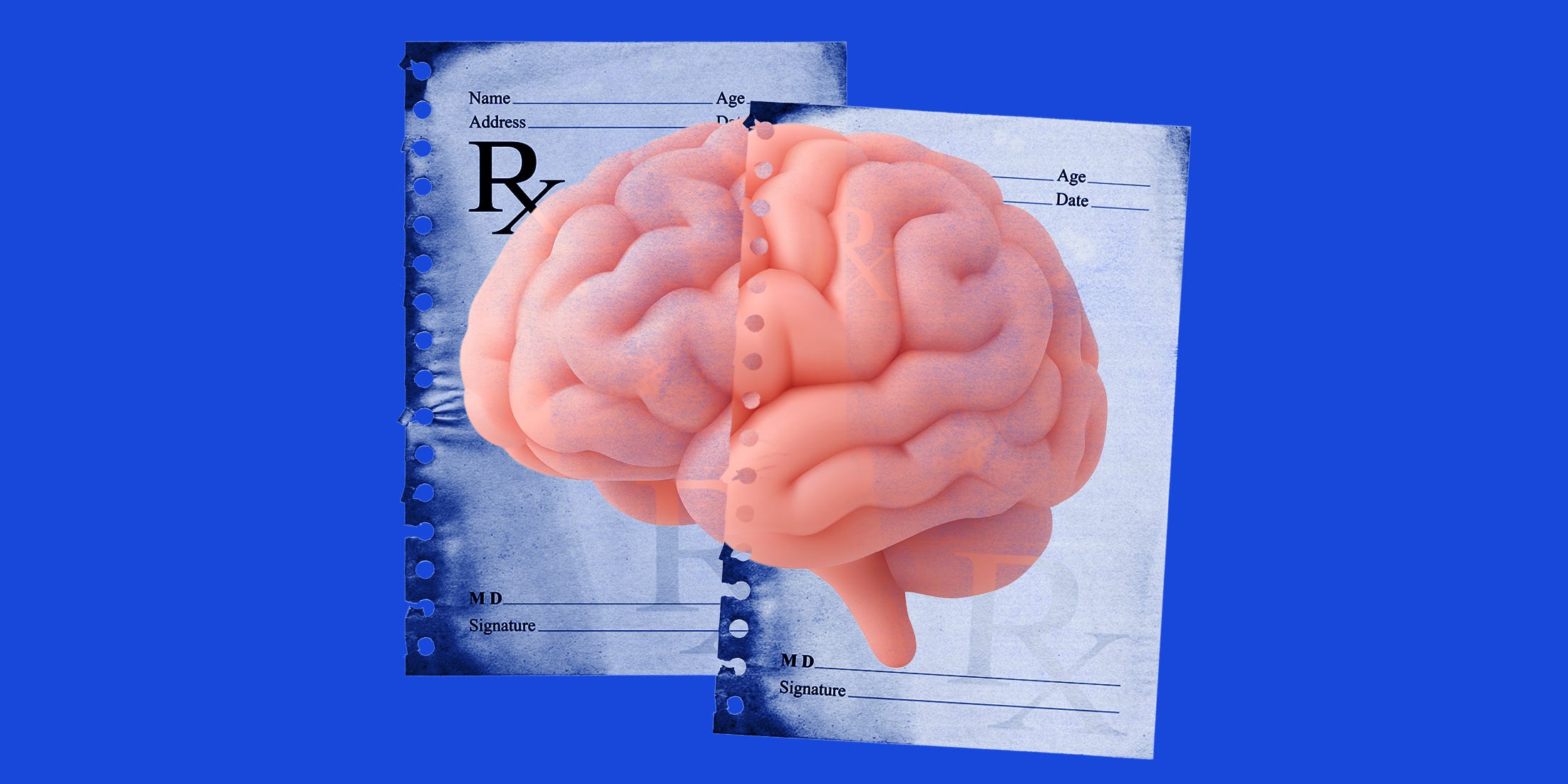
So, you’ve just been handed the news—type 2 diabetes. I get it, your brain’s probably swimming with a million thoughts: diet changes, workouts, meds—and now, dementia? Yep, it’s a lot to unpack. But here’s a twist worth chewing on: new research suggests that statins, those cholesterol-lowering heroes often prescribed to folks with diabetes, might also chip away at the risk of dementia. Imagine that—a pill helping not just your heart but your memory too. The catch? Timing is everything. Starting statins within a year of diagnosis seems to pack the biggest punch against dementia risk. Now, before you start celebrating, there’s some fine print and expert advice to consider. Curious how this all fits together? Let’s dive into the details—you might just find a silver lining in the diabetes story. LEARN MORE
 3 min read
- New research suggests that statins, a class of drugs that lower cholesterol, may also help lower the risk of dementia, specifically in people with type 2 diabetes.
- People who started statins within a year of their diagnosis saw the biggest benefits.
- Doctors say there are a few things to consider.
It’s a lot to take in when you’re diagnosed with type 2 diabetes. The condition can impact several areas of your health, making it crucial to make changes to your diet and lifestyle to try to manage your blood sugar. But it also may involve taking medication—and new research suggests that a common drug prescribed when someone is diagnosed with type 2 diabetes may have an impact on your dementia risk down the road.
The drug in question is statins, a class of medications with a wide range of potential uses. Statins don’t directly impact blood sugar, but they can play an important role in managing heart disease risks in people with diabetes—and, according to this research, may also impact dementia.
“There is no doubt that statins are not used to the degree dictated by clinical guidelines,” says Shoaib Afzal, MD, PhD, study co-author and chief physician in the Department of Clinical Biochemistry at Herlev and Gentofte Hospital. “Number-wise, 50 to 75 percent may not be receiving the statin treatment they should be.”
Of course, no one is suggesting that you go on statins purely to prevent dementia. But if they’re already on the table due to your type 2 diabetes diagnosis, these findings are worth considering. Here’s why.
Meet the experts: Shoaib Afzal, MD, PhD, study co-author and chief physician in the Department of Clinical Biochemistry at Herlev and Gentofte Hospital; and Clifford Segil, DO, a neurologist at Providence Saint John’s Health Center.
What did the study find?
The study, which was published in The Lancet Regional Health, followed 132,585 people in Denmark diagnosed with type 2 diabetes from 2006 to 2019. During a follow-up period of about seven years, 2.7 percent of the study participants were diagnosed with dementia.
Compared to people who didn’t take statins, those who started the medication within one year of their type 2 diabetes diagnosis had a 15 percent lower risk of developing dementia within 10 years. Those who started statins later (between one and five years after their type 2 diabetes diagnosis) had a 10 percent lower risk of developing dementia over 10 years.
Who should take statins?
Statins treat a range of health conditions. These groups of people particularly, can benefit from them, according to the U.S. Preventive Services Task Force (USPSTF), American College of Cardiology (ACC), and American Heart Association (AHA):
- Adults with diabetes and high cholesterol.
- People with one or more cardiovascular disease risk factors and a higher 10-year risk of having a heart attack.
- People who have cardiovascular disease.
- People with high LDL (“bad”) cholesterol.
Why might statins lower the risk of dementia?
People with type 2 diabetes have higher rates of dementia than the general population, making this an important group to study, Dr. Afzal says.
“Statins have long been thought to have benefits beyond the heart,” he says. Statins can cause protective effects in the vascular beds of the brain and arteries in the limbs, Dr. Afzal explains.
They can also lower the risk of stroke, which is a risk factor for dementia, says Clifford Segil, DO, a neurologist at Providence Saint John’s Health Center. Statins can also decrease the risk of heart attack, a health event that is also linked with dementia, Dr. Segil adds.
How does this fit into overall dementia prevention?
It’s a stretch to say that putting yourself on statins will help magically erase your risk of dementia, even if you have type 2 diabetes.
“Preventing heart attacks and strokes by treating high blood glucose, or diabetes, and by treating high cholesterol has been shown to prevent heart attacks and strokes but has not been shown to prevent dementia,” Dr. Segil says.
But there is a subtype of dementia called vascular dementia that statins may impact, though. “The techniques to prevent vascular dementia are the same as preventing strokes and heart attacks,” Dr. Segil explains. “Taking a statin will decrease your chances of having silent strokes and then vascular dementia, but taking a statin is not an accepted technique to avoid Alzheimer’s dementia or Parkinson’s dementia at this time.”
Ultimately, it’s important to have an honest conversation with your healthcare provider about any medications you may need and why they’re important for your health. Together, you can decide on the next steps that are right for you.

The Farmer's Dog Human-Grade Crunchy Dog Biscuits, Peanut Butter & Pumpkin | All-Natural Dog Treats Made with Real Ingredients For Puppies and Adult Dogs, For All Ages, Sizes and Breeds
$10.11 (as of October 8, 2026 03:20 GMT +00:00 - More infoProduct prices and availability are accurate as of the date/time indicated and are subject to change. Any price and availability information displayed on [relevant Amazon Site(s), as applicable] at the time of purchase will apply to the purchase of this product.)
Calming Chews for Dogs 200ct Anxiety and Stress Relief Melatonin Chicken | Anxiety and Stress Relief Treats Melatonin Sleep Aid for Small/Medium/Large Dog Separation, Fireworks, Thunder, Barking
$19.99 (as of October 8, 2026 03:20 GMT +00:00 - More infoProduct prices and availability are accurate as of the date/time indicated and are subject to change. Any price and availability information displayed on [relevant Amazon Site(s), as applicable] at the time of purchase will apply to the purchase of this product.)
Dog Teeth Cleaning Powder, Dog Dental Powder, Dog Dental Care, Targets Tartar & Bad Breath & Reduces Plaque, Dental Powder for Dog Teeth Cleaning, Green
$20.99 (as of October 8, 2026 03:20 GMT +00:00 - More infoProduct prices and availability are accurate as of the date/time indicated and are subject to change. Any price and availability information displayed on [relevant Amazon Site(s), as applicable] at the time of purchase will apply to the purchase of this product.)
Soundcore P30i by Anker Noise Cancelling Earbuds, Hands-Free Viewing | Strong and Smart Noise Cancelling, Powerful Bass, 45H Playtime, 2-in-1 Case and Phone Stand, IP54, Bluetooth 5.4
$23.68 (as of October 8, 2026 03:20 GMT +00:00 - More infoProduct prices and availability are accurate as of the date/time indicated and are subject to change. Any price and availability information displayed on [relevant Amazon Site(s), as applicable] at the time of purchase will apply to the purchase of this product.)














Post Comment