
Unlock the Hidden Edge: How Mastering Health Literacy Can Save You Thousands and Transform Your Financial Future

Ever found yourself staring blankly at a prescription slip that reads “1-0-1, after food” and wondered if it’s some top-secret code designed just to confuse you? Or ignored that email from your insurer about a “room rent limit,” thinking it’s just another piece of jargon destined for the recycle bin? You’re not alone. Health literacy—understanding what’s being handed to you at the clinic and in your insurance documents—is more than just a buzzword. It’s the linchpin that can save you from costly mistakes and baffling loopholes. In a world where medical and insurance paperwork speak a language of their own, getting fluent isn’t optional—it’s essential. Ready to break down the confusing mumbo jumbo and take control? Let’s dive in. LEARN MORE

You get home from the clinic with a slip that says “1-0-1, after food” and a tablet brand you’ve never seen, and a week later, an email arrives from your insurer about a room rent limit. Plenty of people just nod along. Health literacy is the name for getting past that nod. First up are prescriptions, and after them, your policy papers.
What Does Health Literacy Cover, Exactly?
Put simply, it’s your ability to make sense of health information and act on it. Your treatment and your claims both depend on it, because most papers you get from a hospital or an insurer are written by specialists, for specialists.
Education alone isn’t enough. Plenty of engineers and lawyers leave a cardiologist’s cabin unsure whether the new tablet replaces the old one or gets added to it. Insurance has a vocabulary of its own as well, and most people learn it only when a parent gets admitted and the paperwork lands with them.
Can It Really Stop Mistakes With Your Medicines?
· “1-0-1” means a tablet in the morning, nothing at midday and another at night.
· OD is once a day, BD twice and TDS three times.
· SOS means you take it only if needed, say for a fever.
· AC is before food, and PC is after it.
Brands trip people up more quietly. The chemist might hand over another company’s strip with the same salt, the word used here for the active ingredient, and that’s usually fine. A cold-and-flu sachet and a fever tablet can both contain paracetamol, which is how people double the dose without meaning to.
On a blood report, H or L just means above or below the lab’s normal range. A sweet chai before a fasting sugar test can cause an H, so ask your doctor what a mark means.
Why Give the Policy Wording a Proper Read?
Because that’s what the insurer checks a claim against, line by line. The brochure is the short version, with most of the conditions left out.
Three documents usually arrive by email with standard health insurance plans. The policy schedule is a one-page sheet listing who’s covered, the sum insured and the dates. Next comes the wording, with the full terms. Last is the customer information sheet, a page or two on the main features and exclusions, and if you’ve only got ten minutes, read that one.
There’s also the proposal form. Every answer on it, whether about a past illness or a tablet you take, has to match your medical records. Forget the thyroid pill you’ve taken with morning tea for years, and the insurer may reject a related claim later.
Which Insurance Terms Should You Learn First?
Five terms explain most claim decisions, and they’re simpler than they sound:
· The sum insured is the most your policy pays out in a year.
· A waiting period is the stretch before certain illnesses or treatments are covered.
· A pre-existing disease is one you had before buying, and its cover usually starts after a separate wait.
· With a co-payment, you pay a share of each claim yourself, say 10% or 20%.
· A room rent limit caps what the insurer pays for your room per day.
Room rent limits are the ones people miss most. Take an imaginary policy with a ₹5 lakh sum insured and a 1% room rent cap, so ₹5,000 per day. Move into an ₹8,000 room and some policies pay doctors’ fees and other linked charges in the same reduced proportion. You end up paying more than the ₹3,000 difference.
Not every plan caps room rent, and the cap isn’t always 1%. Terms and conditions apply. Your plan’s own figure is in its policy wording.
How Do Your Medical Reports Affect a Serious Illness Claim?
They largely decide it, since the insurer compares your reports with the policy’s definition of the illness. That matters most in critical illness insurance, which pays a fixed sum on diagnosis of a listed illness, regardless of your hospital bill.
And “diagnosed” has a narrower meaning in a policy than in everyday talk. A phrase like “cancer of specified severity” usually means a biopsy report has to confirm it. For a “first heart attack of specified severity,” the insurer may look for certain ECG changes and raised cardiac enzymes.
So it pays to read your discharge summary next to the policy’s definitions to see which documents the insurer will want. Since the amount doesn’t track your expenses, many buyers add critical illness insurance on top of regular health cover, often to replace lost income. Terms and conditions apply.
Four Habits to Start With
Each one is easy to keep up:
· Write down the diagnosis the way the doctor spells it, because that’s the name the claim form wants.
· Repeat the dosage in your own words before leaving, like “one after breakfast and dinner, five days,” so any mix-up gets sorted then.
· Use one folder, plastic or on your phone, for discharge summaries and lab reports, kept with the policy, since a claim will need them.
· If an admission is planned, a call to the insurer or its third-party administrator, which handles claims for many insurers, clears up what’s covered.
Where Does All This Leave You?
Two skills sit underneath all of this: reading a prescription and knowing where your cover ends. Salt names and the 1-0-1 code take care of the first. The second takes one slow read of the customer information sheet and the definitions section.
If you’re comparing health insurance plans this year or have a renewal due, a sensible next step is to go through that sheet with a pencil and underline anything you couldn’t explain to a family member. Each one is a question for your insurer.
<!–
–>
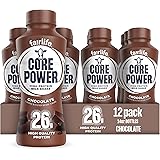
Core Power Fairlife 26g Protein Milk Shakes, Liquid Ready To Drink for Workout Recovery, Chocolate, 14 Fl Oz Bottle (Pack of 12)
$41.88 (as of November 19, 2026 03:24 GMT +00:00 - More infoProduct prices and availability are accurate as of the date/time indicated and are subject to change. Any price and availability information displayed on [relevant Amazon Site(s), as applicable] at the time of purchase will apply to the purchase of this product.)
Hybrid Active Noise Cancelling Bluetooth Headphones Wireless Headphones | Over Ear, 120H Playtime, Hi-Res Audio, Deep Bass, Memory Foam Ear Cups for Home Office Travel Black
$30.98 (as of November 19, 2026 03:38 GMT +00:00 - More infoProduct prices and availability are accurate as of the date/time indicated and are subject to change. Any price and availability information displayed on [relevant Amazon Site(s), as applicable] at the time of purchase will apply to the purchase of this product.)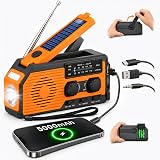
Hand Crank Radio, AM FM NOAA Weather Radio with Solar Panel, Type-C Charging, Flashlight, Reading Lamp and SOS Alarm, Portable Solar Radio for Outdoor Camping and Household Use
$59.99 (as of November 19, 2026 03:38 GMT +00:00 - More infoProduct prices and availability are accurate as of the date/time indicated and are subject to change. Any price and availability information displayed on [relevant Amazon Site(s), as applicable] at the time of purchase will apply to the purchase of this product.)
blink plus plan with monthly auto-renewal
$11.99 (as of November 19, 2026 03:28 GMT +00:00 - More infoProduct prices and availability are accurate as of the date/time indicated and are subject to change. Any price and availability information displayed on [relevant Amazon Site(s), as applicable] at the time of purchase will apply to the purchase of this product.)












Post Comment