
Unlock the Hidden Secrets Top Entrepreneurs Use to Win Customer Trust Before They Even Have a Name!

Starting a business is a bit like asking a stranger to jump on a moving train — except, in this case, the train isn’t going anywhere unless that stranger trusts the engineer. Nobody wakes up excited to buy from a name they’ve never heard before or a product they don’t quite get. Trust is the currency, and unlike established companies riding the wave of brand recognition and glowing reviews, a new business has to build that currency from scratch — brick by brick, story by story, and handshake by handshake. When I launched Ol’ McDonald Soap Co., I quickly realized whipping up something great isn’t half the battle. The real challenge? Helping people understand why my beef tallow soap wasn’t just “soap,” why it mattered, and how they could feel good taking a chance on my brand. Whether you’re selling handmade goods, offering a fresh service, or running an online hustle, getting noticed and getting trusted are two very different games. Here, I’m sharing what I’ve learned about earning that priceless trust early on — no shortcuts, just honest truths. LEARN MORE
Starting a business means asking people to take a chance on something unfamiliar. They may not recognize your name, know your story, or have any experience with your product. Before they decide whether to buy, they have to decide whether they trust you.
For an established company, that trust may come from years of customer reviews, word-of-mouth recommendations, and brand recognition. A new business has to earn it from the ground up.
When I started Ol’ McDonald Soap Co., a family-owned Florida business specializing in handcrafted, small-batch beef tallow soap, I realized that creating a product was only one part of the challenge. People also needed to understand what made the product different, why it was worth considering, and whether they could feel confident buying from a brand they had never heard of.
This is a challenge that extends far beyond one industry. Whether you sell a physical product, provide a service, or operate an online business, getting noticed is one thing. Giving someone a reason to trust you is another.
Here are several lessons I’ve learned about building that trust as a new business.
Make It Easy for Customers to Understand What You Offer
Business owners spend a tremendous amount of time thinking about their products and services. They understand the details, the process, the materials, and the reasons behind their decisions. Customers, however, may be encountering the business for the first time.
That difference in perspective matters.
Someone visiting your website should not have to dig through several pages to figure out what you sell, who it is for, or what makes it different. The same applies to social media profiles, advertisements, and product descriptions.
In my business, beef tallow soap is not something every shopper is familiar with. I cannot assume people already understand the ingredient or why it has a place in traditional soapmaking. That means I need to explain it in straightforward language without overwhelming someone with technical details.
The same principle applies to any business introducing a new product or service. Do not assume customers know what you know. Start with the basics, explain the value clearly, and give people an easy way to learn more.
A useful exercise is to ask someone unfamiliar with your business to visit your website for a few seconds and then explain what you sell. If they struggle to answer, your messaging may need to be simplified.
Explain the Value, Not Just the Features
It is easy to fill a product page or advertisement with features. You can list ingredients, materials, dimensions, services, and specifications. Those details matter, but they do not always explain why a customer should care.
Customers want to understand what those details mean for them.
For example, explaining that a product is made in small batches tells someone something about how it is produced. Explaining why you choose that process gives them more context about the business and its priorities.
This does not mean every feature needs a lengthy explanation. In fact, the best marketing often connects a specific detail to a clear benefit in just a sentence or two.
When describing your business, think beyond what you make or provide. Explain why you made those choices and what customers should understand about them.
A business does not need to make exaggerated promises to communicate value. Clear explanations are often more useful than trying to make every feature sound extraordinary.
Be Transparent About What You Sell
Customers encounter marketing claims and product promises everywhere. For a new company, making claims that are difficult to explain or support can undermine trust before it has a chance to develop.
I believe it is better to explain exactly what goes into a product, how it is made, and what customers can realistically expect.
For a product-based business, that might mean clearly listing ingredients, explaining where materials come from, showing how something is manufactured, or providing accurate product photographs. For a service business, it might mean explaining pricing, what is included, how the process works, and what happens after a customer makes a purchase.
Transparency also means being careful with the language you use. A business should be able to stand behind its claims. If a statement cannot be explained or supported, it probably does not belong in the marketing.
Being straightforward may not sound like a complicated marketing strategy, but it gives customers the information they need to make an informed decision. Over time, that consistency can become an important part of a company’s reputation.
Build a Consistent Identity Across Every Platform
Your website, packaging, social media, advertisements, and customer communications should all feel like they come from the same business.
When those pieces tell different stories, customers can have a harder time understanding who you are.
A new company does not necessarily need an expensive branding agency or a massive marketing budget to establish an identity. It does need to make some deliberate decisions about how it wants to be recognized.
For Ol’ McDonald Soap Co., I wanted an identity rooted in American craftsmanship and the outdoors. That direction influences the way I present the products, write about the business, and design the brand.
For another business, the identity might be built around reliability, convenience, specialized knowledge, or a particular community. The important thing is that the identity feels genuine and is reflected consistently.
Consistency makes a business more recognizable. It also helps customers connect the different places they encounter your company, whether that is a search result, a social media post, or your website.
Treat Customer Questions as Valuable Feedback
When you are close to your own business, it is easy to forget that customers do not have the same knowledge you do.
A question that seems simple to you might reveal something important that your website or marketing is not explaining.
If multiple people ask what an ingredient does, how a product is made, what the difference is between two options, or how to place an order, those questions are useful information.
Rather than treating questions as obstacles, use them to improve the customer experience.
Consider keeping track of the questions you receive and looking for patterns. If customers repeatedly ask about shipping, make the shipping information easier to find. If they do not understand the difference between two products, improve the descriptions. If they are unsure how your service works, explain the process more clearly.
This can also give you ideas for website FAQs, helpful social media content, and future articles. Instead of guessing what potential customers want to know, you can use their actual questions to guide your communication.
Make the Buying Experience Match the Promises You Make
Marketing does not end when someone clicks an advertisement or visits a website. The experience that follows is part of the impression a customer forms about your company.
A confusing checkout process, missing information, slow communication, or unclear policies can create hesitation. Even a well-presented product can lose a potential customer if the buying experience feels difficult.
New businesses should pay attention to the basic details that make purchasing straightforward. Make contact information easy to find. Clearly explain shipping and return policies. Use accurate photographs and descriptions. Respond to customer questions professionally.
These things may not be as exciting as launching a new product or running an advertising campaign, but they help create a reliable experience.
The goal is to make sure the experience supports the expectations created by your marketing. Customers should not feel as though they were promised one thing and received something entirely different.
Understand That Reputation Takes Time
One of the hardest parts of starting a business is accepting that recognition and trust do not develop overnight.
A new company may have a well-designed website, a strong product, and a thoughtful marketing plan, but it still has to introduce itself to people. It has to earn its first customers, learn from their experiences, and give them reasons to recommend the business to others.
That process takes consistency.
It can be tempting to chase every marketing trend or constantly change the message in hopes of finding something that works immediately. Experimenting is part of growing a business, but it is also important to give customers a consistent understanding of what your company stands for.
Pay attention to what people respond to. Improve what is not working. Keep the information accurate, and continue delivering on what you promise.
There is no single advertisement, social media post, or website update that can replace a reputation built through repeated positive experiences.
The Goal Is More Than Getting Attention
Building a business from the ground up has taught me that getting someone to notice a product and getting someone to trust a company are two different challenges.
Marketing can bring a person to your website, but the information, presentation, and experience help determine whether they feel comfortable taking the next step.
For new business owners, the goal should not simply be to get more attention. It should be to give people a real reason to feel confident in choosing your company.
You may not have the reputation, recognition, or resources of a larger competitor. But you can still communicate clearly, be transparent about what you offer, listen to customers, and deliver a consistent experience.
Those are things any business can begin working on, regardless of its size. And while they may not produce instant results, they help build the foundation a lasting business needs.
Author Bio
Marshall McDonald is the founder of Ol’ McDonald Soap Co., a family-owned Florida business specializing in handcrafted, small-batch beef tallow soap made in the USA using traditional cold-process methods.
Website: https://olmcdonaldsoap.com/


Beats Studio Pro Over-Ear Headphones - 40H Battery, ANC - Black | USB-C Lossless Audio, Fast Fuel Charging, Great for Travel & Commuting, Foldable Design, Apple & Android Compatible
$149.00 (as of November 25, 2026 03:28 GMT +00:00 - More infoProduct prices and availability are accurate as of the date/time indicated and are subject to change. Any price and availability information displayed on [relevant Amazon Site(s), as applicable] at the time of purchase will apply to the purchase of this product.)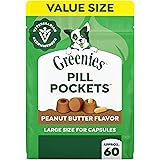
Greenies Pill Pockets Large Size Dog Treats, Peanut Butter, 15.8 oz | Vet-recommended, masks pill smell & taste, moldable texture, capsule size, natural ingredients, no fillers, 15.8 oz. pouch
$14.97 (as of November 25, 2026 03:25 GMT +00:00 - More infoProduct prices and availability are accurate as of the date/time indicated and are subject to change. Any price and availability information displayed on [relevant Amazon Site(s), as applicable] at the time of purchase will apply to the purchase of this product.)
Liquid Death Soda Alternative - Doctor Death (Cherry, Cream, Spice), 10 Calories, 2g Sugar, No Caffeine, No Artificial Colors or Dyes, Soda Flavored Sparkling Water, 12 Fl Oz (Pack of 12)
$10.92 (as of November 25, 2026 03:25 GMT +00:00 - More infoProduct prices and availability are accurate as of the date/time indicated and are subject to change. Any price and availability information displayed on [relevant Amazon Site(s), as applicable] at the time of purchase will apply to the purchase of this product.)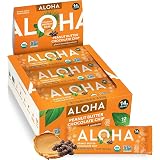
ALOHA Organic Plant Based Protein Bar | Peanut Butter Chocolate Chip, 12 Ct | 14g Plant-Based Protein, 10g Fiber, 5g Sugar | No Sucralose or Stevia | Non-GMO, Vegan & Dairy Free
$19.52 (as of November 25, 2026 03:25 GMT +00:00 - More infoProduct prices and availability are accurate as of the date/time indicated and are subject to change. Any price and availability information displayed on [relevant Amazon Site(s), as applicable] at the time of purchase will apply to the purchase of this product.)













Post Comment