
Unlock the Secret Moves Every Man Over 30 Must Know to Keep His Prostate Rock Solid—Doctors Don’t Always Tell You This!
Ever wonder why your prostate seems to have a mind of its own—secretly plotting to keep doctors busy while giving you those pesky bathroom interruptions? Turns out, this tiny, doughnut-shaped gland, about the size of a cherry tomato, is a multitasking marvel. Not only does it churn out fluids during ejaculation, but it also never stops growing, quietly nudging your urethra and making you reevaluate your nightly snooze rounds. Whether you’re in your twenties or pushing past fifty, understanding what’s up with your prostate isn’t just for the aging crowd—young guys, take note, too! And yes, lifestyle tweaks like exercise and smart eating can be game-changers to keep things flowing smoothly. Curious to decode the mysteries of this persistent gland and what it means for your health? Let’s dive in and get to the bottom of it. LEARN MORE
 5 min read
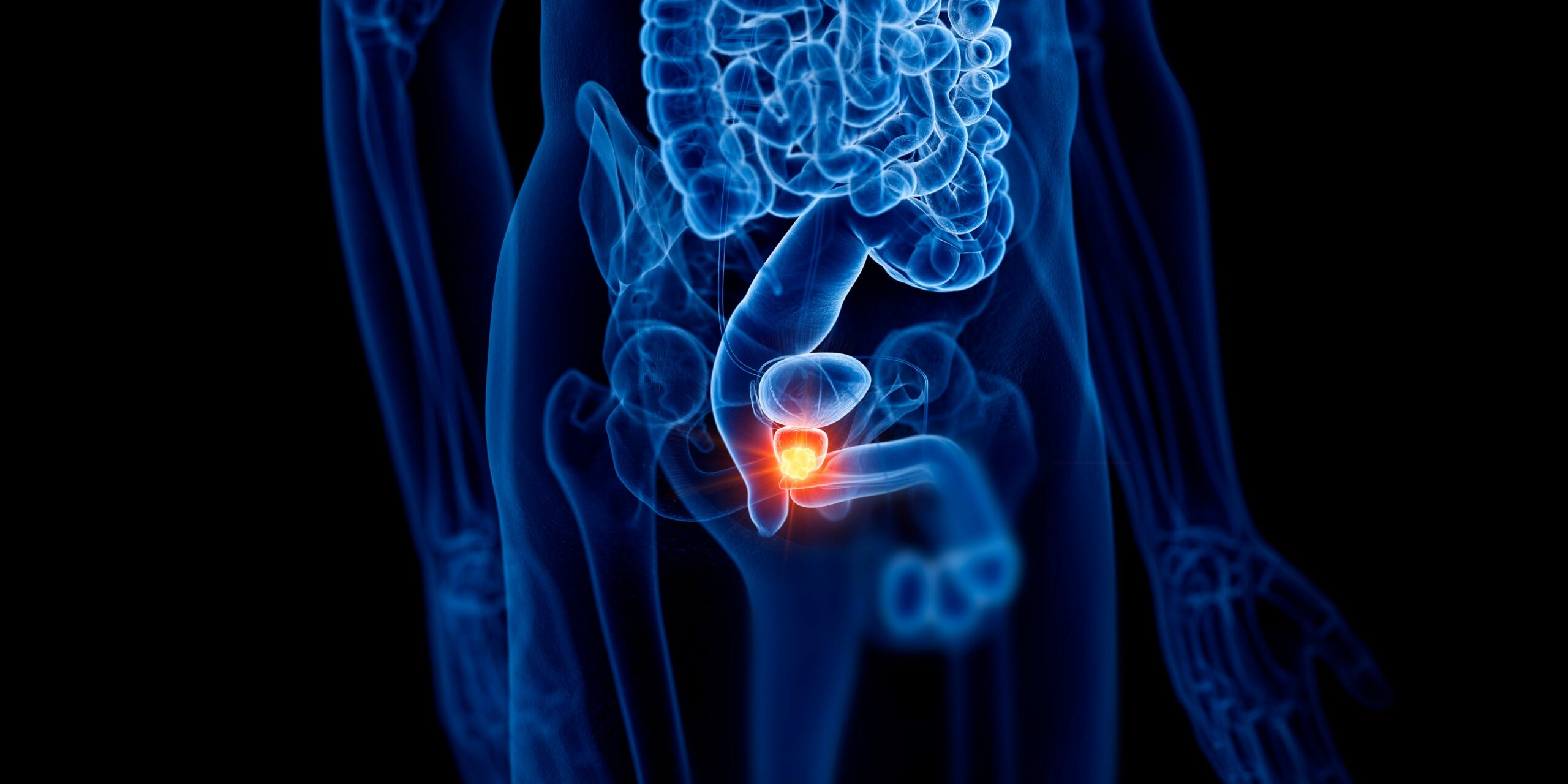
ASK A UROLOGIST, and they’ll tell you that the prostate has two functions: one is to secrete fluids that come out with ejaculation. The other is to keep urologists in business. That’s a lot of work for a doughnut-shaped gland roughly the size of a cherry tomato. You might think it’s cancer keeping all those docs busy, since prostate cancer is by far the most common cancer diagnosis in men. But there is still a virtually universal prostate issue: The gland never stops growing.
The prostate sits under the bladder, and the urethra (the tube that carries pee out of your bladder) passes right through the doughnut hole. A larger prostate puts pressure on the urethra and makes it hard to pee, which is annoying and can lead to other issues, like bladder infections. Fortunately, regular exercise and healthy eating moves can help counter the risk of prostate issues. Don’t wait to lock in these habits: Young guys can experience an enlarged prostate, too.
What to Watch For
WHETHER YOU’RE YOUNG or old, the main symptoms of an enlarged prostate are the same:
- You have a weaker stream and a hard time emptying.
- You’re peeing more than eight or so times per day, and when you need to go, you need to go.
- You experience nocturia: You’re waking up twice or more per night because of the urge to urinate.
The first two symptoms change gradually over time, so they’re hard to detect, says Chad Ellimoottil, MD, chief of Men’s Health and Reconstruction at the University of Michigan. But “you’ll notice that you’re tired in the morning and you’re waking up many times to pee,” he says. Keep in mind that nocturia is when the need to pee is what actually wakes you. If you wake for other reasons and incidentally have to pee, it’s probably not your prostate.
What Goes Wrong
The Young-Guy Problem
IF YOU’RE UNDER age 55 or so, urinary symptoms may be the result of inflammation of the prostate, called prostatitis. Doctors used to go right to antibiotics, assuming it was bacterial, says Dr. Ellimoottil. Today they know another cause is far more common: chronic prostatitis/chronic pelvic pain syndrome (CP/CPPS). Basically, it’s when inflamed muscles around the prostate are causing that organ to become inflamed as well. The pelvic floor muscles are major culprits, and they’re easily irritated by modern-day habits like marathon sitting in a car or at a desk. Exercise that puts pressure on the perineum, like being saddled up on a bike, can also cause problems. This inflammation can get in the way of nerve signals and manifest as ED or can cause pain during or after ejaculation. All the more reason to check out and manage any symptoms.
What to do:
- Anti-inflammatories can rein in the inflammation. Consult with your doctor, who may start you on something like high-dose ibuprofen.
- A sitz bath, which submerses your perineum in warm water, can calm muscles in that part of your body.
- A PT who specializes in the pelvic floor can address
the root causes of the inflammation and help you learn to relax the muscles. - Antibiotics are still an option (if you really do have an infection).
The Older-Guy Problem
AFTER AGE 50, about 50 percent of guys have some degree of benign prostatic hyperplasia (BPH), hormone-driven enlargement. (Sometimes guys with BPH who strain to pee irritate their pelvic floor, leading them to develop prostatitis, too.)
What to do:
- “Double voiding.” That’s leaning forward as you urinate, which changes your bladder position, and trying to pee a little more after initially finishing. The move may help you empty better.
- Pee on a schedule—that’ll be something like every couple of hours. But consult a doc first. They can help you figure out timing.
- Consider an Rx. Medicines can shrink the prostate (finasteride) and/or relax the prostate and bladder neck to improve flow (tamsulosin, tadalafil), relieving pressure on the urethra.
- Surgery, which can make the “hole of the doughnut” bigger, is an option if other interventions aren’t helping enough. It can also be essential for solving bigger problems that are caused by BPH, like frequent urinary tract infections, bladder stones, or decreased kidney function. Newer, less invasive techniques that use implants (UroLift), lasers (HoLEP), or even steam (Rezūm) make surgery less onerous and lessen sex-related side effects (see more about that below).
What About Cancer?
ROUGHLY ONE IN eight men will be diagnosed with prostate cancer. Luckily, low-grade prostate cancer is slow-growing and often doesn’t metastasize. “The classic line is that the vast majority of prostate cancer is prostate cancer you will die with, not from,” says Christopher Koller, MD, a urologic oncologist at Hackensack Meridian Health. Because most prostate cancers grow on the outer edge of the doughnut, where they don’t create symptoms, you should get your prostate specific antigen (PSA) screened at age 45 to 50, even if everything seems fine. Start closer to 40 if you have a family history or are Black. A PSA above 2.5 ng/mL for guys under 60, or above 4.5 ng/mL for guys 60 or older, will probably lead to additional testing to see if cancer is the cause. If the cancer has a low risk of spreading, you can opt for “active surveillance”—working with a doc to make sure that if your cancer is indeed one you’ll die with, not from, you don’t get overtreated. If it’s an aggressive cancer, you might require surgery or radiation, though there are now less invasive techniques, such as focused ultrasound or freezing.
Will Surgery Mess with Sex?
IT CAN. SURGERY for BPH can lead to retrograde ejaculation, which is when semen goes into the bladder instead of out your penis. It’s not harmful, and most men are not worried about fertility by the time they have BPH. Cancer surgery can cause ED for a while, and the fact that you successfully dealt with cancer can be cold comfort during that time. But in a year or two, the majority of men will be back to normal. ED meds like Viagra or Cialis can help guys who are struggling to regain function, as can penile implants and injections in more extreme cases.

Kevin is a writer and editor living in Brooklyn. In past lives he’s been an economist, computer salesman, mathematician, barista, and college football equipment manager.
Core Power Fairlife 26g Protein Milk Shakes, Liquid Ready To Drink for Workout Recovery, Chocolate, 14 Fl Oz Bottle (Pack of 12)
$41.88 (as of October 25, 2026 03:13 GMT +00:00 - More infoProduct prices and availability are accurate as of the date/time indicated and are subject to change. Any price and availability information displayed on [relevant Amazon Site(s), as applicable] at the time of purchase will apply to the purchase of this product.)
FUJIFILM instax mini 13 Instant Film Camera - Dreamy Purple
$78.00 (as of October 25, 2026 03:34 GMT +00:00 - More infoProduct prices and availability are accurate as of the date/time indicated and are subject to change. Any price and availability information displayed on [relevant Amazon Site(s), as applicable] at the time of purchase will apply to the purchase of this product.)
Tomkas Small Dog Cat Sling Carrier Puppy Purse Travel Wrap Soft Crossbody Pet Bag (Black1, M - Classic Pocket & Classic Strap)
$16.99 (as of October 25, 2026 03:23 GMT +00:00 - More infoProduct prices and availability are accurate as of the date/time indicated and are subject to change. Any price and availability information displayed on [relevant Amazon Site(s), as applicable] at the time of purchase will apply to the purchase of this product.)
Purina Fancy Feast Grilled Seafood Wet Cat Food, 3 oz Cans, 24-Pack | Variety Pack, crafted with real seafood in savory gravy. Made with no Artificial Colors or Preservatives.
$22.86 (as of October 25, 2026 03:13 GMT +00:00 - More infoProduct prices and availability are accurate as of the date/time indicated and are subject to change. Any price and availability information displayed on [relevant Amazon Site(s), as applicable] at the time of purchase will apply to the purchase of this product.)













Post Comment