
Unlock the Secret Playbook: How ROBS Can Fund Your Franchise Empire Without a Dime Out of Pocket

Thinking about diving into the world of franchising? Here’s the deal—it’s like getting into a business with a blueprint that’s already proven to work. You’re not starting from zero; instead, you’re partnering up with a brand that folks already know. Sounds cool, right? But here’s the kicker—those franchise fees and startup expenses? They can burn a serious hole in your pocket before you even see your first dollar coming in. So, how do you fund that dream without taking on the headache of traditional loans? Enter the game-changer: Rollover for Business Startups (ROBS). It’s a slick way to tap into your retirement savings and channel them right into your franchise—no loan sharks involved.
Before you sign that franchise agreement, wouldn’t it be smart to know all your financial options? That’s where understanding ROBS steps in—to let you put your hard-earned retirement bucks to work instead of watching them sit idle. Best part? You sidestep those annoying monthly loan payments and the stress that comes with them. But remember, the magic happens only when you set things up just right.
First Things First: Do Your Retirement Funds Make the Cut for ROBS?
Not all retirement accounts are created equal when it comes to ROBS. So, before you get all hyped about tapping your 401(k) or IRA, peek into the details of your retirement plans. This strategy lets you shuffle your eligible retirement money into a new qualified retirement plan without Uncle Sam knocking on your door for taxes or early withdrawal penalties—provided you play by the rules.
Heads up: your current employer’s retirement setup might have its own hoops, especially if you’re still on the job. The key difference here? Unlike just pulling out your cash, ROBS keeps the money inside a qualified plan until that plan uses it to buy stock in your business. Cool, huh?
Why a C Corporation Is Your Best Friend When Using ROBS
I know, corporate structures sound dry—but trust me, this is crucial. For ROBS to work, you need a C corporation. Other business setups like LLCs or S corporations just won’t cut it because ROBS depends on a retirement plan owning company stock—and a C corp fits that mold perfectly.
Before you get the paperwork rolling, double-check how your franchise agreement spells out ownership. Some franchisors want things set up a specific way, maybe even requiring personal guarantees. Nailing these details early is like setting your business GPS correctly—avoid getting lost later.
Once set up, don’t slack on keeping corporate records sharp and governance on point. These little details keep the IRS and regulators happy down the road.

Set Up a Qualified Retirement Plan to Catch That Rollover
Once your C corp is ready, it has to bring to life a qualified retirement plan that can invest in employer stock. This plan is essentially the financial vehicle that lets your retirement savings become the jet fuel for your franchise acquisition.
If all this sounds like alphabet soup, don’t sweat it. Lean on experienced 401(k) business funding pros—they’ll handle the red tape, paperwork, and even walk you through buying that first batch of stock.
After the plan’s live, you ask your current retirement account to roll over the funds. The money slides into the new retirement plan, where the plan administrator swings into action to invest in your corporation’s stock. But fair warning: any slip-ups in paperwork can hold up your cash flow or dig you into compliance trouble. Nail the details!</p

WOOF Pupsicle Peanut Butter & Beef Refill Pops Dog Treats, Large, 7 Count | For large Pupsicles, peanut butter & beef flavor, long-lasting treats, pre-made Pops, wholesome ingredients, shelf stable
$14.99 (as of October 30, 2026 03:14 GMT +00:00 - More infoProduct prices and availability are accurate as of the date/time indicated and are subject to change. Any price and availability information displayed on [relevant Amazon Site(s), as applicable] at the time of purchase will apply to the purchase of this product.)
CELSIUS Assorted Flavors Official Variety Pack, Functional Essential Energy Drinks, 12 Fl Oz (Pack of 12)
$22.49 (as of October 30, 2026 03:14 GMT +00:00 - More infoProduct prices and availability are accurate as of the date/time indicated and are subject to change. Any price and availability information displayed on [relevant Amazon Site(s), as applicable] at the time of purchase will apply to the purchase of this product.)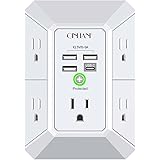
Wall Charger, Surge Protector, QINLIANF 5 Outlet Extender with 4 USB Ports | 1680 Joules, 3-Sided Power Strip, Multi Plug Wall Outlet Adapter Spaced for Home Travel Office, White
$9.98 (as of October 30, 2026 03:24 GMT +00:00 - More infoProduct prices and availability are accurate as of the date/time indicated and are subject to change. Any price and availability information displayed on [relevant Amazon Site(s), as applicable] at the time of purchase will apply to the purchase of this product.)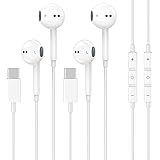
2 Pack [Apple MFi Certified] USB C Headphones Wired for iPhone 18 17 16 15 | Wired Earbuds with Microphone & Remote Control Noise Cancelling Type C Earphones for iPhone Duo 18 17 16 15 Pro Max, Galaxy
$13.99 (as of October 30, 2026 03:34 GMT +00:00 - More infoProduct prices and availability are accurate as of the date/time indicated and are subject to change. Any price and availability information displayed on [relevant Amazon Site(s), as applicable] at the time of purchase will apply to the purchase of this product.)












Post Comment