
Unlock the Secret Power of Home Scents: How One Whiff Can Make or Break Your Guest’s First Impression Instantly

Ever wondered why the instant you step into someone’s home, your nose seems to make up its mind before your eyes even get a look in? It’s wild when you think about it—the scent greeting your guests isn’t just a nice-to-have; it’s practically working overtime to shape their whole experience. It’s like that secret sauce in hospitality nobody talks about enough, yet it sets the vibe, etches memories, and even sneaks in to calm nerves, all before a word is spoken or a smile shared. Let me tell you, understanding the brainy stuff behind how fragrances tick can flip your whole approach to candles, diffusers, and yes, even how often you crack open those windows. Ready to unlock the power of the perfect home scent? Dive in.

The moment a guest crosses your threshold, their brain is already forming opinions, and it’s happening through their nose before their eyes catch up. Home scent is one of the most overlooked tools in hospitality, yet it shapes how welcome people feel, what they remember about your space and even how relaxed they become once they sit down. Understanding the psychology behind it can change the way you think about candles, diffusers and even the windows you leave open.
The psychology of home scent and why first impressions stick
Scent bypasses the slower, more analytical parts of the brain and goes straight to the emotional core. Erika Stalder writes in The Zoe Report that “like with fragrances worn on the body, there’s a psychology to home scents in that they can stimulate all kinds of emotions and behavior. That’s because the part of the brain where emotion and emotional memory are processed, the amygdala, is activated as soon as we smell something.”
That immediate activation, Stalder says, helps explain why scent can trigger the recall of specific memories, like the backyard blooms from a childhood home, and conjure general emotions such as a sense of freedom. It’s also why some candles are deliberately calibrated to capture specific moods.
What the science says about smell, memory and well-being
The connection between scent and how we feel isn’t just anecdotal. According to Harvard Medicine, Rachel Herz, a neuroscientist at Brown University who studies the psychological science of smell, said, “Smell can instantly trigger an emotional response along with a memory, and our emotional states have a very strong effect on our physical well-being.”
Harvard Medicine notes that in addition to citing myriad studies that link smell-induced memories to mood improvement and stress reduction, Herz points to research showing that smells evoking personal memories promote slower, deeper breathing than pleasant but more generic smells, and linking odor-evoked memories to significant reductions in markers of inflammation.
In other words, the right home scent isn’t just pleasant. It can measurably calm the body of the person standing in your foyer.
Why luxury spaces prioritize fragrance
Hotels and resorts have long understood what most homeowners are only beginning to appreciate, that scent is a branding tool. Signature fragrances are engineered to be recognizable the second a guest walks through the lobby, and they’re designed to be tied to the experience long after the trip ends.
That deliberate use of fragrance creates a memorable brand experience. Guests don’t just remember the thread count or the view, they remember the smell. Homeowners can borrow the same strategy by choosing one or two consistent scents for their space rather than rotating through whatever candle is on sale. A consistent signature scent makes a home feel intentional and gives visitors something to associate specifically with you.
How to make a home smell welcoming without being obvious
The biggest mistake people make with home scent is going too strong. Subtle fragrance is usually more effective than overpowering fragrance, which can read as artificial or even cause headaches in sensitive guests. The goal is a background note, not a featured performance.
A few practical approaches.
- Open windows regularly. Fresh air is the foundation of a pleasant-smelling home. No candle can compete with stale air underneath it.
- Use natural scent sources. Simmer pots with citrus peels and spices, fresh herbs on the counter and essential oils in a diffuser create warmth without the chemical edge of heavy synthetic fragrances.
- Focus on entryways and living spaces. These are the rooms where first impressions form. Scenting a guest bathroom is nice, while scenting the foyer is strategic.
- Layer thoughtfully. A lightly scented candle in the living room paired with fresh flowers in the entry creates a more nuanced experience than one strong product working alone.
How to choose a signature home scent
Picking a fragrance for your home is more personal than picking one for your body, because everyone who walks in will encounter it. Think about the emotional response you want guests to have, whether calm, energized, cozy or fresh, and work backward from there. Citrus and herbal notes tend to feel bright and welcoming, while woods, vanilla and amber lean cozy and grounding. Because scent is so closely tied to memory, the fragrance you choose may eventually become the one guests associate with your home entirely.
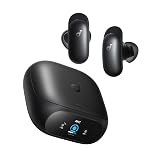
Soundcore Liberty 5 Pro by Anker Noise Cancelling Wireless Earbuds | Anker Thus™ AI Chip delivers Guinness World Records-certified call quality for crystal-clear calls in noisy environments
$144.99 (as of October 12, 2026 03:32 GMT +00:00 - More infoProduct prices and availability are accurate as of the date/time indicated and are subject to change. Any price and availability information displayed on [relevant Amazon Site(s), as applicable] at the time of purchase will apply to the purchase of this product.)
Propel, Kiwi Strawberry, Zero Calorie Sports Drinking Water with Electrolytes and Vitamins C&E, 16.9 Fl Oz (12 Count)
$9.97 (as of October 12, 2026 03:09 GMT +00:00 - More infoProduct prices and availability are accurate as of the date/time indicated and are subject to change. Any price and availability information displayed on [relevant Amazon Site(s), as applicable] at the time of purchase will apply to the purchase of this product.)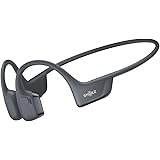
SHOKZ OpenRun Pro 2 Bone Conduction Bluetooth Sport Headphones, Black | Bundle with Reflective Strip;DualPitch premium sound;Open ear awareness; Smart Mic; IP55; 12H battery; Running/Cycling/Hiking
$179.95 (as of October 12, 2026 03:21 GMT +00:00 - More infoProduct prices and availability are accurate as of the date/time indicated and are subject to change. Any price and availability information displayed on [relevant Amazon Site(s), as applicable] at the time of purchase will apply to the purchase of this product.)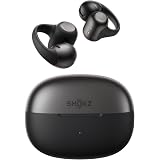
SHOKZ OpenDots 2 Open-Ear Clip-On Earbuds, Black, Dolby Audio, 3 Mics | Rich bass with Dolby Audio; 3-mic clear calls; 40H listening; IP57; Bluetooth 6.1; Travel/City walk/Commuting/Yoga/Pilates
$199.95 (as of October 12, 2026 03:32 GMT +00:00 - More infoProduct prices and availability are accurate as of the date/time indicated and are subject to change. Any price and availability information displayed on [relevant Amazon Site(s), as applicable] at the time of purchase will apply to the purchase of this product.)













Post Comment