
Unlock the Secret ROBS Compliance Moves Every First-Year Investor Must Master—or Risk Losing It All!

So, you’ve just wrapped up a Rollover for Business Startups (ROBS) transaction and, surprise, your first year as a ROBS business owner is nothing close to a walk in the park. Once your retirement plan starts pumping cash into your company, you’re suddenly juggling both running a business and keeping your plan legit by the book. And trust me, the IRS? They’ve got their magnifying glass ready, focusing on recordkeeping, participant details, stock valuation, and annual reporting when they peek into your ROBS setup.
Here’s a truth bomb: managing all this compliance stuff alongside steering your company can feel like spinning plates blindfolded. But a solid, well-thought-out compliance process is your best friend. Enter the ROBS compliance checklist for the first year — think of it as your trusty framework to keep tabs on plan administration during those nerve-wracking first 12 months.
Keep Those ROBS and Corporate Files Tidy (No, Seriously)
Right from the jump — as you set up your ROBS structure — good recordkeeping is the backbone of everything. Your corporate and retirement plan files should clearly tell the story of how this ROBS dragon was tamed, including every transaction that rolled after.
Store important plan docs, corporate files, and transaction papers where you can quickly grab them. You might need to showcase how your rollover funds landed in the plan, how that plan swooped in to buy company stock, and the company’s moves with the plan afterward.
Here’s a quick glimpse at your first-year paperwork stash:
- ROBS plan documents plus any tweaks or amendments
- Corporate formation papers and stock records
- Documents showing rollovers and transfers
- Account and transaction statements of the plan
- Employee and participant info sheets
- Business and plan-related filing records
And a pro tip? Keep your business finances and retirement plan records in neat, separate corners — makes tracing transactions and handling admin headaches a breeze.
Stick to Your Retirement Plan’s Script
Setting up a qualified retirement plan is just Act One. The real drama? Operating that plan exactly as its script — aka, its governing documents — say throughout the year.
The Department of Labor lays it down clear: fiduciaries of retirement plans must honor these plan documents if they meet ERISA standards. So, when you’re deciding who’s eligible, who gets to participate, or how to administer the plan, that document is your bible.
Don’t fall into the trap of casual changes just ’cause your business’s vibe evolves. Those “Hey, let’s tweak this on the fly” moves can spark coverage and discrimination issues faster than you can say “audited.” When tweaks are needed, tag in your seasoned ROBS pros to vet the changes and hammer out the official paperwork.

Keep an Eagle Eye on Employee Eligibility and Participation
Got employees? Great, but your retirement plan’s duties just multiplied. Don’t mistakenly think your plan is still just “you and you alone” after that initial ROBS magic. ERISA’s got strict rules on who can join and when. As your team expands, you’ve got to keep their info cross-checked against those eligibility rules spelled out in your plan documents. Once someone’s in the clear, dot every “i” and cross every “t” on the plan’s participation protocols and communications.
Here’s my advice—don’t cram employee reviews until end-of-year chaos. Set a steady beat on your
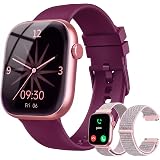
Smart Watch for Women, Bluetooth Answer/Make Calls, 1.83"HD Screen, 2 Bands | IP67 Waterproof Fitness Tracker, Heart Rate/Sleep Monitor, DIY Dial, Multi-Sport Modes Pedometer, Smartwatch for iOS/Android
$33.23 (as of October 8, 2026 03:28 GMT +00:00 - More infoProduct prices and availability are accurate as of the date/time indicated and are subject to change. Any price and availability information displayed on [relevant Amazon Site(s), as applicable] at the time of purchase will apply to the purchase of this product.)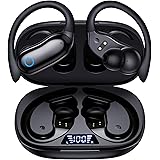
GNMN Active Noise Cancelling Ear Buds Wireless Earbuds 96hrs Playback Bluetooth Headphones Dual Battery Display Stereo Bass Earphones with Earhooks Microphone IPX7 Waterproof for Sports/Runing/Workout
$75.98 (as of October 8, 2026 03:28 GMT +00:00 - More infoProduct prices and availability are accurate as of the date/time indicated and are subject to change. Any price and availability information displayed on [relevant Amazon Site(s), as applicable] at the time of purchase will apply to the purchase of this product.)
Amazon Fire HD 10 tablet, built for relaxation, 10.1" vibrant Full HD screen, octa-core processor, 4 GB RAM, 32 GB, Black
$72.99 (as of October 8, 2026 03:20 GMT +00:00 - More infoProduct prices and availability are accurate as of the date/time indicated and are subject to change. Any price and availability information displayed on [relevant Amazon Site(s), as applicable] at the time of purchase will apply to the purchase of this product.)
INSIGNIA 43" Class F50 Series LED 4K UHD Smart Fire TV, Voice Remote with Alexa, Stream Live TV Without Cable
$99.99 (as of October 8, 2026 03:20 GMT +00:00 - More infoProduct prices and availability are accurate as of the date/time indicated and are subject to change. Any price and availability information displayed on [relevant Amazon Site(s), as applicable] at the time of purchase will apply to the purchase of this product.)













Post Comment