
Unlock the Secret to Living Luxuriously Without Crushing Your Wallet—Here’s How to Upgrade Smart!
Ever noticed how suddenly your wallet feels lighter the moment your paycheck hits—yet you swear you didn’t splurge on anything wild? It’s like magic, except it’s that sneaky creature called lifestyle creep setting up camp in your budget. You know the drill: upgrading your phone, treating yourself to a nicer apartment, maybe that extra subscription or two that somehow multiply faster than gremlins after midnight. None of it’s a bad thing—heck, a little comfort goes a long way. But here’s the kicker: it’s the layered, tiny expenses stitched quietly into your monthly routine that often stealthily drain your cash. So, how do you keep enjoying life’s upgrades without letting your finances spiral into chaos? Well, buckle up—because we’re diving deep into the art of spending smarter, living better, and mastering that elusive balance where your bank account and lifestyle both win. LEARN MORE
At a certain point, earning a little more starts to change how you live.
You stop automatically choosing the cheapest option. You replace the old phone instead of making it last another year. You order dinner when you’re tired instead of opening the fridge and trying to make something out of whatever is left. Maybe you move somewhere nicer, travel a bit more, or finally pay for things that save you time.
None of that is necessarily a problem. In fact, some of those changes can make life noticeably better.
What tends to cause trouble is not one big purchase. It is the slow collection of small upgrades that become part of your normal month. A better internet package. A couple of subscriptions. More takeout. A pricier gym. A newer car. A delivery membership you barely think about because it renews automatically.
Then payday comes, the bills go out, and somehow there is less left over than you expected.
That is usually the moment when lifestyle creep becomes visible.
The answer is not to strip everything enjoyable out of your budget. Make sure the life you are building still feels comfortable once the bills arrive.
Look at the Whole Month, Not Just One Purchase
It is surprisingly easy to convince yourself that individual expenses are harmless. Fifteen dollars here, thirty dollars there, another hundred for a nicer apartment or a better phone plan. None of those numbers sounds especially dramatic on its own.
The picture changes when you add them together.
Take a proper look at what leaves your account each month. Include the obvious things, such as rent, groceries, transport, debt payments, and utilities, but also look at the smaller charges that are easy to ignore. Streaming services, delivery fees, app subscriptions, memberships, convenience spending, and those random purchases that always seem too small to matter.
A budget app makes this easier because you can see patterns instead of relying on memory. That matters because most of us aren’t very good at mentally adding up twenty small purchases spread across four weeks.
And sometimes the result is a little surprising.
You may realize the expensive apartment isn’t actually what is stretching your budget. It might be the apartment plus takeout three nights a week, several subscriptions, a newer phone, and a collection of charges you stopped noticing months ago.
Spend More Where You’ll Actually Feel the Difference
Not all upgrades deserve the same amount of money.
A good mattress can affect how you feel every morning. Reliable internet can save you endless frustration if you work from home. Better shoes might be worth every cent if you spend most of the day on your feet. Even a decent desk chair can feel like a life improvement when you have spent years shifting around in one that hurts your back.
Those purchases tend to keep earning their place.
Other upgrades are different. They feel exciting for a few days, maybe a few weeks, then they become background noise. You barely notice them anymore, but the payment keeps showing up.
Before spending more, ask yourself whether you’ll notice the difference on an ordinary Tuesday, not just the day you buy it.
That question matters because most of life happens on ordinary Tuesdays.
If an upgrade genuinely makes those days easier, more comfortable, or more enjoyable, it may be worth the money. If you are mostly attracted to the idea of the upgrade, waiting a little can save you from turning a short burst of excitement into a long-term expense.
Subscriptions Are Easy to Ignore Until They Aren’t
Subscriptions are probably one of the easiest ways for monthly spending to get messy.
They are small enough to overlook and automatic enough to forget. You sign up for a streaming service because there is one show you want to watch, try a fitness app for a month, add cloud storage, pay for a premium delivery plan, and maybe keep a free trial long after the free part disappears.
Individually, none of it feels serious.
Together, it can be a decent chunk of money.
Every few months, go through those charges and be a little ruthless. Not with the things you genuinely use, but with the services that make you pause and think, oh, I forgot about that.
Keep what adds something to your life. Get rid of what does not.
That is a much easier way to cut spending than removing the things you actually enjoy.
Give Yourself Some Room to Spend
Budgets often sound like a list of things you are not allowed to do.
They do not have to work that way.
A good spending plan can actually make purchases feel less stressful because you already know what is available. If your bills are paid, your savings are handled, and your other priorities are covered, you can decide how much money is left for the enjoyable parts of life.
Maybe that money goes toward eating out, hobbies, weekends away, concerts, shopping, or a nicer gym.
The point is not to judge the choice.
The point is to make it on purpose.
There is a big difference between deciding to spend two hundred dollars on something you really enjoy and realizing at the end of the month that two hundred dollars disappeared in small purchases you barely remember making.
Let Some of a Raise Stay a Raise
A pay increase has a funny way of disappearing.
At first, you imagine having more breathing room. Then a few months pass, and somehow the extra income has been absorbed into a nicer apartment, better meals, more shopping, upgraded services, and a few new monthly payments.
Nothing about your life feels wildly extravagant. Yet your bank account looks almost the same as it did before the raise.
That can be frustrating.
A simple way to avoid it is to move some of the extra income toward savings before you get used to spending it. It does not need to be all of it. You should be able to enjoy earning more.
But keeping some of that increase instead of immediately attaching a new expense to it gives you something lifestyle upgrades do not always provide.
Options.
And having options is its own kind of upgrade.
Monthly Payments Can Make Expensive Things Look Cheap
There is a reason so many purchases are advertised monthly.
A laptop can feel expensive at full price and perfectly reasonable when shown as a much smaller monthly payment. The same thing happens with phones, furniture, trips, cars, and plenty of other purchases.
The monthly number is easier to swallow.
The problem comes when you have five or six of those smaller numbers stacked on top of one another.
Then part of your income is already gone before you make a single decision that month.
Before adding another payment, look at the full cost and ask yourself whether you would still want the purchase if the entire amount had to leave your account today.
You might still say yes.
That is fine.
But if the answer suddenly becomes no, that tells you something useful.
Keep the Things You Genuinely Enjoy
Cutting costs does not mean turning yourself into someone who never goes out, never travels, and refuses to spend money on anything enjoyable.
That is not a particularly appealing life, and for most people, it is not sustainable either.
If eating out is one of your favorite things, keep room for it. If travel matters more to you than owning expensive clothes, spend accordingly. If your home is where you relax and recharge, spending more to make it comfortable may be worth cutting back somewhere else.
This is where personal priorities matter more than generic advice.
Someone else may think your gym membership is too expensive. But if you go four times a week, know the staff, enjoy being there, and feel better because of it, it may be one of the better things you spend money on.
There is no prize for having the cheapest possible lifestyle.
The goal is to avoid paying for things you do not value while protecting the things you do.
Plan for the Bills That Pretend to Be Surprises
Some expenses feel unexpected even though, deep down, you knew they were coming.
The car eventually needs work. Insurance renews. Birthdays happen. Holidays show up. Something in the house breaks. There is a dentist appointment, an annual membership, or a trip you agreed to months ago.
None of these things happens every month, which is exactly why they can throw off a monthly budget.
Putting aside a little money for irregular expenses can make a huge difference. It turns those moments from emergencies into annoyances, and honestly, that is a much better category for them to be in.
There is nothing enjoyable about getting a repair bill.
But there is something very reassuring about knowing you already planned for it.
Check Your Spending Before It Becomes Invisible
Spending gets dangerous when it becomes automatic.
Not dramatic. Automatic.
You stop questioning the membership because it has been there for two years. You keep paying for the same phone plan because changing it feels like a hassle. You order food more often because that is just what you do after work now.
None of these decisions feels like a decision anymore.
That is why it helps to check in every few months. Not with a giant financial reset, but with a simple look at what you are still happy to pay for and what has become background noise.
Your life changes. Your priorities do too.
Your spending should be allowed to change with them.
A Better Lifestyle Should Leave You Feeling Better
There is nothing wrong with wanting life to be more comfortable.
More convenience can be worth paying for. Better experiences can be worth paying for. So can nicer surroundings, good food, useful technology, travel, hobbies, and all the small things that make an ordinary week feel better.
But more spending and a better life are not always the same thing.
Sometimes the best upgrade is having enough money left at the end of the month that you do not feel tense every time you open your banking app. Sometimes it is being able to say yes to an unexpected plan because your budget has room. Sometimes it is simply knowing that a surprise bill will not ruin the next few weeks.
That kind of comfort is easy to overlook because nobody posts it online.
Still, it matters.
Enjoy the nicer apartment if you can afford it. Take the trip. Keep the subscription you use every night. Buy the chair that saves your back after eight hours at your desk.
Just keep checking that the things making your life nicer are not also making your finances harder to live with.
Because the best version of an upgraded lifestyle is one you can actually relax into.
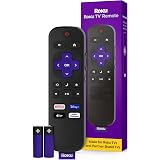
Roku TV Remote Control (Official Manufacturer Product) | Simple Setup & Pre-Set App Shortcuts - Replacement Remote Compatible with RokuTV Models ONLY (Not Roku Players)
$9.99 (as of October 27, 2026 03:23 GMT +00:00 - More infoProduct prices and availability are accurate as of the date/time indicated and are subject to change. Any price and availability information displayed on [relevant Amazon Site(s), as applicable] at the time of purchase will apply to the purchase of this product.)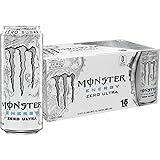
Monster Energy Zero Ultra, Sugar Free Energy Drink, 16 Ounce | Pack of 15
$26.98 (as of October 27, 2026 03:13 GMT +00:00 - More infoProduct prices and availability are accurate as of the date/time indicated and are subject to change. Any price and availability information displayed on [relevant Amazon Site(s), as applicable] at the time of purchase will apply to the purchase of this product.)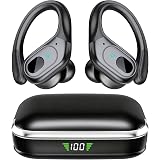
Wireless Earbuds, Sports Bluetooth Headphones, Running Headphones | 75Hrs Playtime Ear Buds with LED Power Display, Noise Canceling Headset, IPX7 Waterproof Earphones for Gym/Running/Workout
$19.93 (as of October 27, 2026 03:34 GMT +00:00 - More infoProduct prices and availability are accurate as of the date/time indicated and are subject to change. Any price and availability information displayed on [relevant Amazon Site(s), as applicable] at the time of purchase will apply to the purchase of this product.)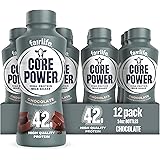
Core Power Fairlife Elite 42g High Protein Milk Shakes For kosher diet, Ready to Drink for Workout Recovery, Chocolate, 14 Fl Oz (Pack of 12), Liquid, Bottle
$47.98 (as of October 27, 2026 03:13 GMT +00:00 - More infoProduct prices and availability are accurate as of the date/time indicated and are subject to change. Any price and availability information displayed on [relevant Amazon Site(s), as applicable] at the time of purchase will apply to the purchase of this product.)














Post Comment