
Unlock the Secret Weapon Top CEOs Use to Keep Every Meeting Laser-Focused and Game-Changing
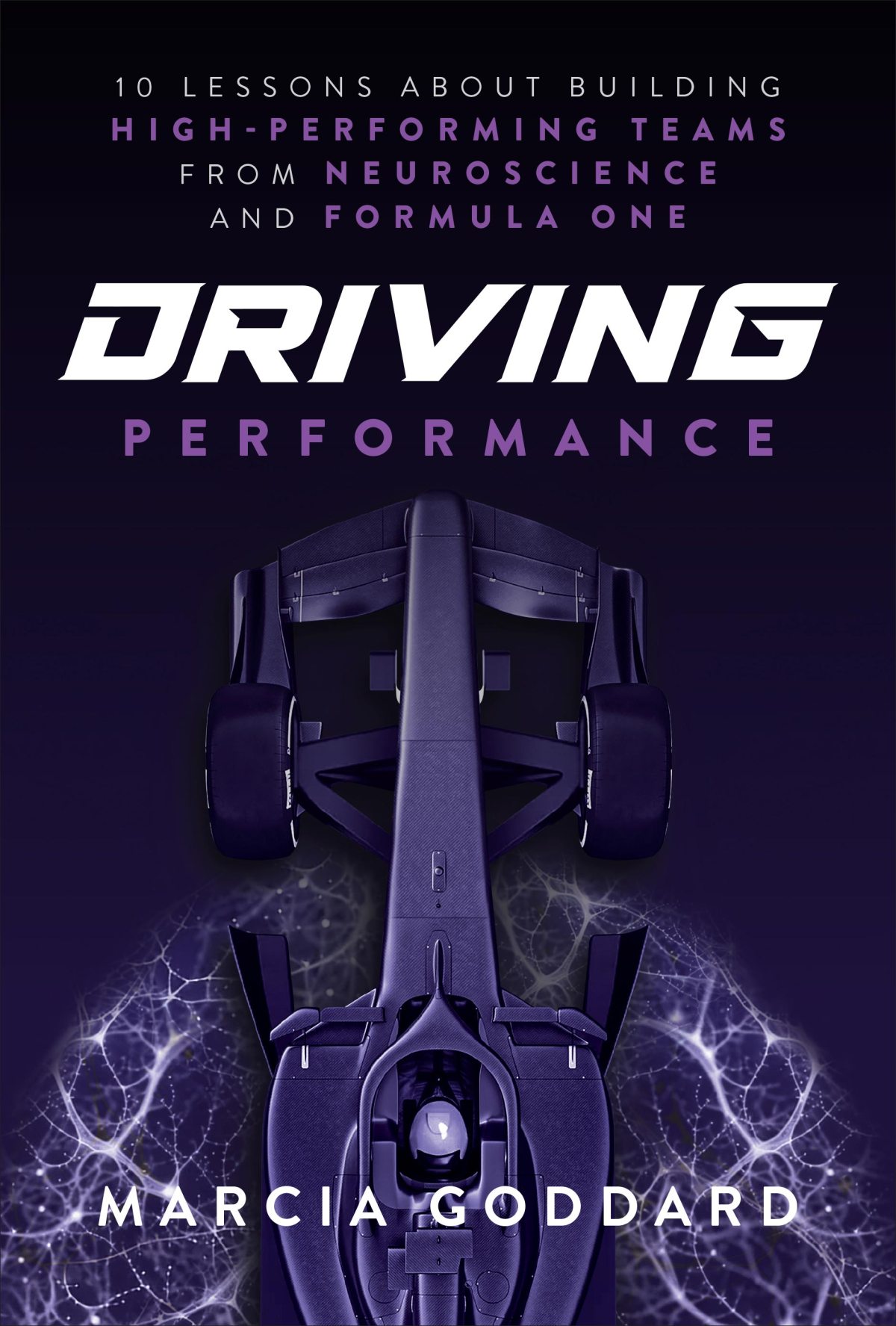
Ever sat through a meeting that felt like a never-ending episode of chaos, only to walk away wondering why you bothered? Yeah, I’ve been there — hundreds of times, in fact. Meetings are supposed to be the engines that drive clear communication and action, yet more often than not, they stall in confusion and inefficiency. Now, imagine taking a pit stop in the high-octane world of Formula One, where every second counts, and meetings aren’t just routine—they’re razor-sharp debrief sessions engineered for peak performance. What if your next meeting ran with that kind of purpose and precision? That’s exactly what Marcia Goddard unpacks in her book Driving Performance, revealing how managers can turbocharge their team’s communication by borrowing lessons from the well-oiled machine that is an F1 team’s daily debrief. Expect to discover meeting protocols that actually make your brain want to engage instead of escape—and strategies that will transform your meetings from “another email should’ve done” into pivotal moments of clarity and action. Ready to leave wasted meetings in the dust? LEARN MORE
In this extract from her book Driving Performance, Marcia Goddard explains how managers can learn valuable lessons from Formula One teams’ debrief sessions
Another meeting that should have been an email. When it comes to clear communication, meetings are many an organisation’s Achilles’ heel.
Over the last decade, I have joined hundreds of meetings with organisations ranging in size from small startups to massive conglomerates, and they all had one thing in common: inefficient meetings.
People join the meeting unprepared, there isn’t a clear agenda, or it is deviated from as soon as the meeting starts.
There is no adequate timekeeping, no consistency in making sure all voices are heard, and on most occasions, people leave these meetings no more informed — and often significantly more confused — than they were beforehand.
There is a lot to be gained in terms of clear communication when it comes to meetings and a lot to be learned from how meetings are run in F1.
During race weekends, there obviously is a lot of action, both at the track and in the factory, where an entire team watches and works to optimise performance as much as possible. At the end of each day, there are debriefs.
These debriefs are highly structured and based on best practices that teams have learned over the years. Each team has its own unique approach, and I was fortunate enough to have Graeme Hackland, a 25-year F1 veteran, talk me through the general structure of these debriefs.
First, there is a clear hierarchy. One person leads the meeting and determines who speaks and when. This person is not necessarily the most senior member of the group but rather someone in the midst of the action, someone with a good understanding of what is happening ‘on the floor’.
The added benefit of not having the most senior person run the meeting is that it communicates that decision-making is pushed down and that people should feel free to make decisions without needing approval from higher-ups every step of the way.
Everyone comes in extremely well prepared for these meetings, with a clear agenda guiding the preparations, and every department is present. These are not optional meetings that you can skip because ‘something came up’.
The person leading the meeting brings everyone together, including remote participants in the factory. Formula One teams have become very adept at ensuring that everyone, including remote participants, has the opportunity to speak and be actively involved in every step of the process. Remote participants are not asked for their opinions as an afterthought (which often happens in corporate environments) but are actively engaged throughout the process.
The meeting addresses that day’s events step by step, discussing what went well, what did not go well, and what was learned.
During normal race weekends, this covers the free practices on Fridays, free practice and qualification on Saturdays, and the race on Sundays. This structure is always followed, and everyone knows exactly what needs to be prepared (and does so!).
Each department gives its input in a highly structured way, and everything is both recorded and transcribed. Only the person asked to speak speaks. There are no side conversations; everyone is extremely focused, even those who are online.
Questions are allowed (through raising hands, physically or virtually), and the person in charge of the meeting determines when these questions can be asked. All departments are actively encouraged to share everything.
No detail is too small to mention, and nothing is off-limits. Complete openness, coupled with no blaming or pointing fingers for things that didn’t go as planned, is the goal. The questions asked are always relevant and focused on improvement, not judgment. The leader of the meeting determines next steps, including who will take on which tasks. This decision is not made by the most senior person on the team.
Here, too, responsibility for decision-making is pushed downward to stimulate autonomy and ownership. If the most senior leader has specific ideas or wants to provide input, they do so afterward in a one-on-one setting.
This way, they avoid getting caught up in discussions during the meeting. Everyone walks away knowing what needs to be done, what went well, what didn’t go well, and how they can collectively optimise performance for the rest of the weekend or the next race weekend, in the case of the Sunday debrief.
Formula One meetings offer a masterclass in communication designed for high performance. Every detail, from who leads the meeting to how input is gathered and decisions are made, is engineered to minimise noise and maximise clarity.
There is a clear structure, a shared agenda, and a culture of preparation that ensures everyone contributes meaningfully. Communication is purposeful, focused, and uncluttered by hierarchy or ego. Even remote team members are fully integrated, not treated as an afterthought but as vital contributors. Only one person speaks at a time, ensuring messages are heard rather than lost in crosstalk.
This kind of disciplined communication does more than keep things tidy. It builds psychological safety, clarity of expectations, and a shared understanding of what needs to happen next. For organisations aiming to elevate their performance, adopting even a fraction of this rigour in how meetings are prepared and run can transform meetings from wastes of time to pivotal touchpoints.
And Formula One meetings aren’t just efficient. They’re neuroscientifically smart. Our brains don’t like chaos. Every brain craves clarity, predictability, and a sense of psychological safety, especially when the pressure’s on.

In a typical chaotic meeting (the ones with 47 open discussions and zero conclusions), the brain goes into defensive mode, trying to figure out what’s expected, when to speak, and whether that weird look from your boss means something. But in a structured, well-led debrief like in F1, the brain can relax (relatively speaking). With clear roles, focused discussion, and no room for blame games, the prefrontal cortex gets to do its best work: problem-solving, critical thinking, and sharp decision-making.
This is an edited extract from Driving Performance: 10 Lessons About Building High-Performing Teams from Neuroscience and Formula One by Marcia Goddard (published by Wiley, May 2026)
MARCIA GODDARD is a neuroscientist, psychologist, and founder of boutique consulting firm Brain Matters. Her company focuses on building sustainable high-performance environments for clients. Marcia has a PhD in neuroscience, with a focus on brain-behavior relationships behind neurodiversity. She left academia to apply scientific insights directly to business challenges. Over the past decade, she has studied high performance in large global organisations and Formula One teams, helping them create environments that optimise team dynamics, culture, and leadership.

Best Pet Supplies Interactive Squeaky Dog Toy - Crinkle Duck, Yellow | Stuffing Free Body, Soft, Squeaks & Crinkles, No Mess, Perfect for Moderate Chewers, Toss and Fetch Play
$6.79 (as of October 9, 2026 03:11 GMT +00:00 - More infoProduct prices and availability are accurate as of the date/time indicated and are subject to change. Any price and availability information displayed on [relevant Amazon Site(s), as applicable] at the time of purchase will apply to the purchase of this product.)
Beats Studio Pro Premium Wireless Over-Ear Headphones- Up to 40-Hour Battery Life, Active Noise Cancelling, Great for Travel & Commuting, USB-C Lossless Audio, Apple & Android Compatible -Black
$149.95 (as of October 9, 2026 03:20 GMT +00:00 - More infoProduct prices and availability are accurate as of the date/time indicated and are subject to change. Any price and availability information displayed on [relevant Amazon Site(s), as applicable] at the time of purchase will apply to the purchase of this product.)
Apple iPad 11-inch: A16 chip, 11-inch Model, Liquid Retina Display, 128GB, Wi-Fi 6, 12MP Front/12MP Back Camera, Touch ID, All-Day Battery Life — Blue
$399.99 (as of October 9, 2026 03:20 GMT +00:00 - More infoProduct prices and availability are accurate as of the date/time indicated and are subject to change. Any price and availability information displayed on [relevant Amazon Site(s), as applicable] at the time of purchase will apply to the purchase of this product.)
Amazon Kindle Paperwhite Signature Edition 32GB (newest model), Thinner, new aluminum design, 7" display, Auto-adjusting front light, Seaglass Green
$249.99 (as of October 9, 2026 03:29 GMT +00:00 - More infoProduct prices and availability are accurate as of the date/time indicated and are subject to change. Any price and availability information displayed on [relevant Amazon Site(s), as applicable] at the time of purchase will apply to the purchase of this product.)












Post Comment