
Unlock These 4 Morning Sunlight Secrets Before Your First Coffee—Your Body Will Thank You!

You ever wonder why your first sip of coffee sometimes feels like a warm-up act rather than the main event? What if I told you that stepping outside to catch a few rays of morning sunlight could be the real secret weapon for firing up your day? Believe me, it’s not just about basking in Vitamin D—this natural light flips the switch on your internal clock, sharpens your mood, and keeps your energy marching steady like a champion. It’s crazy how a simple moment with the sun can outsmart caffeine by syncing your hormones, recharging your body’s natural rhythm, and even boosting your immunity. So, before grabbing that cup, maybe give the sun a shot; your body—and brain—might just thank you with a knockout punch of vitality and focus. Ready to see why morning sunlight is the ultimate power-up? LEARN MORE

Before you reach for that first cup, a few minutes outside could do more for your alertness than caffeine. The morning sunlight benefits experts describe — steadier energy, better sleep, sharper mood — are tied directly to how your body wakes up, regulates hormones and resets its internal clock.
“Light and darkness are cues your body needs for alertness and sleepiness. They tell you when to wake up and when it’s time to wind down by regulating hormones like melatonin,” said Alexandra Lessem, a family nurse practitioner, per Banner Health.
Morning sunlight benefits your body’s internal clock
A circadian rhythm “is your body’s natural 24-hour clock. It keeps your body operating on a healthy wake-sleep cycle,” per Cleveland Clinic. Most people’s circadian rhythms are automatic, but light has a measurable effect on them.
Timing matters. “Light is the source for setting the circadian clock when you wake,” Lessem said. The clock is most responsive to light about an hour after waking up, about two hours before bedtime and throughout the night.
Morning sun pairs better than coffee with steady energy
Caffeine kicks in fast, but sunlight works on the underlying system. “Sunlight is a natural way of ‘turning on the switch’ to the assembly line of activities that regulate your body,” Lessem said. “Having exposure to sunlight helps regulate the metabolic and chemical changes that manage mood and wakeful activities.”
Translation: a few minutes of morning sun before your coffee can prime the hormones that drive daytime energy, instead of relying on caffeine alone to push through.
Sunlight delivers vitamin D and supports immunity
Vitamin D is often called the “sunshine vitamin.” “Your skin makes vitamin D naturally when it is exposed to UV rays,” per the American Cancer Society. The vitamin helps the body absorb calcium, control inflammation, keep muscles strong and support the immune and nervous systems. Studies also suggest low vitamin D levels could be linked to seasonal affective disorder and mood changes, the ACS notes.
UVB rays are what trigger that production. Once converted to its active form, vitamin D “binds to vitamin D receptors in immune cells,” enhancing first-line defenses, regulating the adaptive immune system and reducing the risk of some inflammatory and autoimmune diseases, per UF Health.
What morning sunlight does for sleep and mood
“Getting bright light in the morning can help you feel more alert during the day and, later on, help you feel sleepy in the evening and fall asleep earlier,” per Verywell Health.
“Studies have found that daylight exposure increases sleep duration and improves sleep quality. Sunshine may play a role in regulating hormones, your body’s internal clock (circadian rhythm), and sleep patterns by affecting the melatonin secretion in the evening hours prior to bedtime,” Dr. Smita Patel said.
There’s a mood payoff too. “Sunlight increases the brain’s release of serotonin, a neurotransmitter that helps you feel more calm and focused. Increased risk of depression and seasonal affective disorder (SAD) are associated with low exposure to sunlight,” per the University of Texas at Dallas’ Center for Brain Health.
How to enjoy the morning sun safely
Too much unprotected exposure to ultraviolet rays can damage skin, eyes and the immune system and can cause cancer. Dermatologists urge sunscreen.
“Ultraviolet A is really what I like to call ‘the aging ray,’” said Dr. Klint Peebles, a dermatologist at Mid-Atlantic Permanente Medical Group, per American Medical Association. “These are the rays that prematurely age the skin. They’re going to cause wrinkling, fine lines and age spots. They also pass through window glass, so whether it’s glass in the office, your home or car they get through.”
“On the other hand, ultraviolet B, or UVB, would be what I call the burning ray, and these would be the primary cause of sunburn,” Peebles said.
A short outdoor break — sunscreen on, coffee waiting — may be the simplest morning upgrade backed by science.
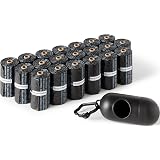
Amazon Basics Dog Poop Leak Proof Bags with Dispenser and Leash Clip, Unscented, 13" x 9" Large Size, 300 Count
$11.24 (as of October 11, 2026 03:11 GMT +00:00 - More infoProduct prices and availability are accurate as of the date/time indicated and are subject to change. Any price and availability information displayed on [relevant Amazon Site(s), as applicable] at the time of purchase will apply to the purchase of this product.)
Calming Chews for Dogs 200ct Anxiety and Stress Relief Melatonin Chicken | Anxiety and Stress Relief Treats Melatonin Sleep Aid for Small/Medium/Large Dog Separation, Fireworks, Thunder, Barking
$19.99 (as of October 11, 2026 03:20 GMT +00:00 - More infoProduct prices and availability are accurate as of the date/time indicated and are subject to change. Any price and availability information displayed on [relevant Amazon Site(s), as applicable] at the time of purchase will apply to the purchase of this product.)
Apple iPad 11-inch: A16 chip, 11-inch Model, Liquid Retina Display, 128GB, Wi-Fi 6, 12MP Front/12MP Back Camera, Touch ID, All-Day Battery Life — Blue
$399.00 (as of October 11, 2026 03:20 GMT +00:00 - More infoProduct prices and availability are accurate as of the date/time indicated and are subject to change. Any price and availability information displayed on [relevant Amazon Site(s), as applicable] at the time of purchase will apply to the purchase of this product.)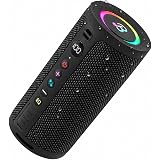
BassBloom Roar 3 Portable Bluetooth Speaker,IPX6 Waterproof,20W | Powerful Sound with JIKE Bass,24H Playtime,Bluetooth 5.4,RGB Lights,Wireless TWS Pairing,Outdoor for Camping
$17.99 (as of October 11, 2026 03:30 GMT +00:00 - More infoProduct prices and availability are accurate as of the date/time indicated and are subject to change. Any price and availability information displayed on [relevant Amazon Site(s), as applicable] at the time of purchase will apply to the purchase of this product.)














Post Comment