
Unlocking Freedom: How Embracing Your Post-Divorce ‘Hoe Phase’ Can Reboot Your Confidence and Health Like Never Before

Ever found yourself in a moment where desire and uncertainty collide—and you’re left wondering, “How on earth do I even do this?” That’s exactly where I was when Zion*—a near stranger—swept me up with a kiss that felt as gentle as it was bold. After a 13-year marriage that drained my sensual spark and reshaped my very sense of safety, stepping back into the world of intimacy was like learning to dance in the dark. But here’s the thing: what if the antidote to reclaiming your sexual freedom after a breakup or divorce isn’t complicated rituals or endless therapy sessions, but something as simple—and as thrilling—as casual, no-strings-attached sex? This isn’t just about fun; it’s about rediscovering your power, your pleasure, and maybe even your self-worth. So, what happens when a “hoe phase” becomes not a phase, but a fierce renaissance of agency and joy? Let’s unpack this intimate journey—warts, giggles, and heartbeats included. LEARN MORE
 6 min read
Zion* was little more than a stranger when he lifted me up onto his lap in one swift movement. His hands were sure, yet soft, as he held my face, kissing me deeply. After a few moments, I pulled back, then looked down, unsure of how to respond to what I could feel was his obvious desire for sex.
I wanted him. But I was afraid I didn’t know how to do this.
Zion was the second man I’d been with since my divorce, but he was the first one I actually liked—and that I wanted to like me back.
Sensing my insecurity, Zion tipped my chin to his mouth and kissed me softer. With my legs wrapped around his waist, he picked me up and carried me to his bedroom. I threw my head back, curls wild, and giggled in a way I hadn’t in over a decade of being married.
As our bodies tangled together, our breathing synced, he looked me directly in the eyes and asked, “Are you ok? How does this feel?” I had never had a man check in with me like that.
“I feel so safe with you,” I whispered into Zion’s ear. It surprised me to know how true that was since we’d only met a few hours ago. I’d been sitting alone at a bar, as had he, and we’d struck up a casual conversation that quickly turned intimate.
I hadn’t felt safe in a long time. Not since sex with my ex-husband had become less like something I looked forward to each week and more like a duty I dreaded.
Throughout our 13-year marriage, I felt like I had expectations placed on me and my body as a wife—my husband’s “needs” often seemed to supersede my own. Consent felt implied. I didn’t think I could say “no” because that might be met with anger or coercive tactics, like begging me over and over until I relented. Each time, my sense of safety and trust eroded.
Eventually, I started recoiling from my husband’s touch because it felt like every hug or little neck rub would turn into him wanting sex.
Naturally, my libido took a nosedive. I thought the problem was me, so I went to sex therapy. But as I started to explore myself in those sessions, I realized I was still sexual. In fact, I was highly sexual. I just didn’t want to have sex with him because I always felt hypervigilant for my emotional and physical safety.
After two months of sex therapy, I asked my ex to sleep in a separate bedroom. Then, I asked for the separation that led to our divorce.
In the early stages of my separation, I was tempted to swear off sex—and men—entirely. This is not uncommon, says Laura Sgro, LCSW, an anxiety and trauma therapist in Los Angeles. “Many women are like ‘screw men,’ because it’s a fear-based response,” she explains. “They’ve learned over time, especially in long-term marriages, to associate sex and intimacy with something that’s not going to be pleasurable for them, with something that’s not really their choice.”
Additionally, love and relationship coaches on social media often suggest celibacy as a way to heal after divorce and sexual trauma. But what if casual sex is the antidote many women need instead?
Once the stress of the divorce dissipated and I settled into my new life as a single mother, I just wanted to have some fun. So, I started leaving my house more often, instead of being wrapped up in “mom duties” all of the time. I went to cute cafes to work, had lunch or drinks at a bar, smiled at men who looked at me, and started conversations with people around me. That’s how I met Zion, and, well, one thing led to another…
Although I liked him—immediately—I wasn’t looking for commitment. Being someone’s partner or girlfriend didn’t sound appealing to me because I’d just escaped all the oppressive gendered expectations that had come with those labels. I just wanted to feel desired and have sex again—uninhibited, no strings attached, exploratory, and pleasurable. I wanted to be free.
Casual sex can be a way for women to take their agency back, says Alica Livingston, a licensed marriage and family therapist based in Texas. “When sex becomes their choice—who they have sex with, when they have sex, what that sex looks like—it can be an incredibly healing and powerful experience.”
It can also be an informative one. Many women don’t know what they like in the bedroom because so much of their sexual experience has been framed around their partner’s pleasure, says Sgro. Embracing casual sex after a breakup or divorce can help women center their own pleasure and regain their confidence.
But if you want to get to know your body better before jumping into bed with someone new, try some solo exploration. “Experimenting with self-touch, even non-sexually, can help women identify what they actually like and dislike,” says Sgro. She suggests touching yourself in ways you haven’t tried before—light, firm, slow, still—and rate sensations as pleasant, neutral, or not for you. (For example, you might enjoy gently trailing your finger along the inside of your forearm, but want a firmer touch around your erogenous zones.) Over time, this self-exploration can expand into more sensual territory, like trying toys that offer different sensations or inviting a partner to explore further.
Sgro also recommends women find a hobby or activity that helps them connect with their bodies. “Many women feel disconnected from their bodies post-divorce, and it’s so important to rebuild that connection with yourself on your terms,” she says. It can be yoga, weight lifting, dance classes—anything that helps you feel stronger, more empowered, and able to express yourself through movement.
For me, it was twerk classes. The rap music reminded me of the ’90s video vixens and my first “hoe phase” in high school. As a young woman, I had a lot of unsatisfying, performative sex out of pressure to be cool and feel chosen.
This, of course, is the argument against casual sex, and why embracing it often goes against the popular #BoySober and “decentering men” movements. These trends are not only a direct response to the violence women risk by romantically interacting with men; they are also evidence of the humiliating and lackluster dating dynamics we face now—breadcrumbing, micro-cheating, future faking, monkey branching (the Gen Z-informed list goes on).
It’s also true that more women than men experience postcoital dysphoria and regret after one-night stands, booty calls, and casual sexual encounters. But this isn’t just another case of the classic gender gap—it’s due to a variety of factors, not least of which is sexual satisfaction.
But casual sex that is intentional, focused on self-exploration, and re-centers your pleasure can take off the pressure to perform or please your partner, says Sgro.
Now that I was in my late 30s, I was determined that my second “hoe phase” would be all about me and what I wanted. For starters, I wrote down my “Hell Yes” and “Hell No” lists. It was an easy and straightforward way for me to figure out what I liked in bed, what I wanted to try, and what I wasn’t open to. I also used sexting to get more comfortable sharing my desires and boundaries with new partners, which was great practice for having those conversations in person.
For me, having a post-divorce “hoe phase” was exactly what I needed. I started having the best sex of my life, including with Zion. He was the first man I saw myself with post-divorce, but neither of us were ready for a commitment at the time, so our connection only lasted a few weeks. For the next three years, I entertained many casual romantic and sexual connections. Eventually, I realized that while having no-strings-attached sex was great, I love monogamy and would like to get married again. So, earlier this year, I started seriously dating someone else.
Unfortunately, it didn’t work out, and I recently became single again. Part of me wonders if I should have another “hoe phase”? Or, should I stay away from random men until I find my husband?
Sgro says any woman going through a divorce or a breakup should ask herself these kinds of questions—and be honest in her answers. “If you want casual sex, give yourself that permission to explore it in a way that feels good for you,” she says. “And if you’re not ready for that, that’s OK too. No one makes the rules except you.”
So, I don’t know if I’ll continue to embrace casual sex, take some time to explore celibacy, or perhaps return to a past romance. What I do know is that my “hoe phase” opened possibilities—for more autonomy and more pleasure. And maybe even love.
*Name has been changed

Sarah Gallucci is the author of Laid: A Memoir of Love, Sex, and Marriage. She has written reported features for CNN, The Atlantic, The Washington Post, Harper’s Bazaar, among others. She has given two TEDx talks and hosts writing workshops around the world. To read more check out her website: www.SarahGallucci.com.

Premier Protein 30g High Protein Shake, Chocolate, 12 Pack | 160 Calories, 24 Vitamins & Minerals, No Added Sugar, Supports Muscle Health, Gluten-Free, 11 oz
$26.74 (as of November 13, 2026 03:23 GMT +00:00 - More infoProduct prices and availability are accurate as of the date/time indicated and are subject to change. Any price and availability information displayed on [relevant Amazon Site(s), as applicable] at the time of purchase will apply to the purchase of this product.)
Apple EarPods Headphones with USB-C Plug, Wired Ear Buds with Built-in Remote to Control Music, Phone Calls, and Volume
$19.00 (as of November 13, 2026 03:27 GMT +00:00 - More infoProduct prices and availability are accurate as of the date/time indicated and are subject to change. Any price and availability information displayed on [relevant Amazon Site(s), as applicable] at the time of purchase will apply to the purchase of this product.)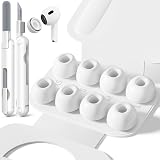
Inesore 4 Pairs Replacement Ear Tips for AirPods Pro 2nd/1st (White) | (2019/2022/2023) with Noise Reduction Hole & Built-in dust Guard Screen,Silicone, with Cleaner Pen,4 Size (XS/S/M/L)
$6.98 (as of November 13, 2026 03:27 GMT +00:00 - More infoProduct prices and availability are accurate as of the date/time indicated and are subject to change. Any price and availability information displayed on [relevant Amazon Site(s), as applicable] at the time of purchase will apply to the purchase of this product.)
Earth Rated Dog Poop Bags on Refill Rolls, 270 Bags, Lavender | Guaranteed Leak Proof and Extra Thick Waste Bag Refill Rolls
$14.99 (as of November 13, 2026 03:23 GMT +00:00 - More infoProduct prices and availability are accurate as of the date/time indicated and are subject to change. Any price and availability information displayed on [relevant Amazon Site(s), as applicable] at the time of purchase will apply to the purchase of this product.)













Post Comment