
Unlocking the Hidden Truths: Why Moderate to Severe Menopausal Hot Flashes Are More Than Just a Nuisance—and How You Can Fight Back!

Ever had one of those moments where a sudden wave of heat hits you and you’re left wondering if you’re experiencing a “private summer”? Yup, that’s a hot flash—one of the pesky, unexpected visitors that nearly half of women face in their first year of menopause. It’s like your body’s own surprise party, but instead of balloons, you get the overwhelming sensation of heat and sweating that can throw off your whole day—or night! I’ve been digging into a fascinating conversation between actress and health advocate Garcelle Beauvais and Nurse Barb, who’s been in the trenches educating women about these symptoms. They’ve got some real-talk insights and a fresh look at a hormone-free, FDA-approved treatment called Lynkuet® (elinzanetant) that’s making waves in managing moderate to severe hot flashes. If you’re navigating this fiery phase or just curious about what options are out there, stick around—I think you’ll find this eye-opening. LEARN MORE
 5 min read
Garcelle Beauvais and Barbara Dehn are paid Bayer spokespeople and have been compensated for their time. Branded content for Lynkuet® (elinzanetant) 60 mg capsules.
Lynkuet is an FDA-approved prescription treatment for the reduction of moderate to severe hot flashes due to menopause.
IMPORTANT SAFETY INFORMATION
Do not take LYNKUET® (elinzanetant) 60mg capsules if you:
- are pregnant
Before you use LYNKUET, tell your healthcare provider about all of your medical conditions, including if you:
- have liver problems
- have a history of seizures
- are pregnant or planning to become pregnant. LYNKUET may harm your unborn baby. Women who can become pregnant should talk to their healthcare provider to exclude pregnancy before starting treatment with LYNKUET and use effective birth control during and for 2 weeks after stopping treatment.
See additional Important Safety Information below and the Full Prescribing Information for Lynkuet.
On May 18, 2026, at the third annual Women’s Health Lab at The New York Historical in New York City, Marty Munson, Health Director of Women’s Health and Men’s Health magazines, sat down with Bayer Paid Spokespeople Garcelle Beauvais, an actress, producer, and women’s health advocate, and Barbara Dehn, NP, also known as Nurse Barb, a TV health educator, author, and speaker, to talk about something that almost 50% of women in their first year of menopause experience: moderate to severe hot flashes.
The conversation started with Garcelle sharing her first time experiencing a hot flash. It came out of nowhere while she was on a fitting, and she didn’t realize what was happening. She thought, “am I having a private summer?”
Nurse Barb explained that she’s heard similar stories about moderate to severe hot flashes due to menopause. And that while hot flashes are a common symptom of menopause, some women may be surprised when they first experience them. “Hot flashes can come on unexpectedly both day and night,” and if they are severe, defined as a sensation of heat with sweating in which you are unable to continue activity, “they can be disruptive.” Nurse Barb emphasized that it’s important for women to know they can talk to their healthcare provider about this and not view hot flashes as something women need to manage on their own, acknowledging that “your hot flashes due to menopause are worth treating.”
Starting this conversation with your provider is important to help learn what your treatment options are. Nurse Barb discussed one option, Lynkuet® (elinzanetant), an FDA-approved, hormone-free prescription treatment option for moderate to severe hot flashes due to menopause.
Garcelle discussed how she decided to speak with her healthcare provider about her experience. The conversations with her provider helped her understand what was going on with her body. Nurse Barb suggested starting the conversation with your provider by “sharing how often you experience hot flashes and whether you’re experiencing a hot flash with or without sweating,” as that will help determine whether a hot flash is mild (a sensation of heat without sweating), moderate (a sensation of heat with sweating, but you’re able to continue activity), or severe (a sensation of heat with sweating, but you’re unable to continue activity). You should also consider noting “whether you felt like you could continue what you were doing or felt like you needed a break. That context may allow healthcare providers to better understand what’s going on and talk through appropriate next steps.”
Garcelle also noted that, while she is not currently taking Lynkuet, it’s important to talk about available treatment options. Nurse Barb shared that Lynkuet has been proven to reduce the number and severity of moderate to severe hot flashes due to menopause day and night, based on clinical studies measuring efficacy at weeks 4 and 12, with some women having fewer hot flashes in as early as one week, though individual results may vary.
To learn more about Lynkuet as a prescription treatment option for moderate to severe hot flashes due to menopause, visit Lynkuet.com.
Watch their conversation above.
INDICATION AND IMPORTANT SAFETY INFORMATION
What is LYNKUET® (elinzanetant)?
LYNKUET is a prescription medicine used to reduce moderate to severe hot flashes (also known as vasomotor symptoms) due to menopause. LYNKUET is not a hormone. Hot flashes are feelings of warmth in the face, neck, and chest, or sudden intense feelings of heat and sweating.
IMPORTANT SAFETY INFORMATION
Do not take LYNKUET if you:
- are pregnant
Before you use LYNKUET, tell your healthcare provider about all of your medical conditions, including if you:
- have liver problems
- have a history of seizures
- are pregnant or planning to become pregnant. LYNKUET may harm your unborn baby. Women who can become pregnant should talk to their healthcare provider to exclude pregnancy before starting treatment with LYNKUET and use effective birth control during and for 2 weeks after stopping treatment.
Tell your healthcare provider about all the medicines you take, including prescription and over-the-counter medicines, vitamins, and herbal supplements. LYNKUET may affect the way other medicines work, and other medicines may affect how LYNKUET works.
What should I avoid while taking LYNKUET?
- Avoid eating grapefruit or drinking grapefruit juice during treatment with LYNKUET.
- LYNKUET may cause you to feel drowsy, if you experience this avoid driving and other hazardous activities until these effects go away.
LYNKUET can cause serious side effects, including:
- Central nervous system (CNS) effects and daytime impairment. LYNKUET can cause difficulty staying awake (somnolence) and other nervous system effects including fatigue, having a spinning feeling (vertigo), dizziness, and feeling faint (presyncope). If you experience these effects, you should not drive or do hazardous activities until these effects go away.
- Increased liver blood test values. LYNKUET may cause increased liver enzymes. Your healthcare provider will do a blood test to check your liver before you start and 3 months after taking LYNKUET. Stop taking LYNKUET and tell your healthcare provider right away if you have the following signs or symptoms that suggest liver problems:
— feeling more tired than you do usually
— decreased appetite
— nausea
— vomiting
— itching
— yellowing of the eyes or skin (jaundice)
— pale feces
— dark urine
— pain in the stomach (abdomen) - Risk of pregnancy loss. Taking LYNKUET while pregnant may cause loss of pregnancy or stillbirth. If you think you are pregnant, stop taking LYNKUET and tell your healthcare provider right away.
- Risk of seizures in people with a history of seizures. Seek medical attention right away if you have loss of consciousness or seizure.
Common side effects of LYNKUET include:
- headache
- fatigue
- dizziness
- feeling drowsy or sleepy
- stomach (abdominal) pain
- rash
- diarrhea
- muscle spasms
Tell your healthcare provider if you have any side effects that do not go away. These are not all the possible side effects of LYNKUET.
LYNKUET is available by prescription only.
You are encouraged to report side effects or quality complaints of products to the FDA by visiting www.fda.gov/medwatch or calling 1-800-FDA-1088. For Bayer products, you can report these directly to Bayer by clicking here.
For important information about LYNKUET, please see the Full Prescribing Information
Content sponsored by Bayer.
BAYER, the Bayer Cross, and Lynkuet are registered trademarks of Bayer. All other trademarks are property of their respective owners. 100 Bayer Boulevard, Whippany, NJ 07981 USA
©2026 Bayer. All rights reserved.
PP-LNK-US-1112 6/26

The Farmer's Dog Human-Grade Crunchy Dog Biscuits, Peanut Butter & Pumpkin | All-Natural Dog Treats Made with Real Ingredients For Puppies and Adult Dogs, For All Ages, Sizes and Breeds
$13.48 (as of October 19, 2026 03:22 GMT +00:00 - More infoProduct prices and availability are accurate as of the date/time indicated and are subject to change. Any price and availability information displayed on [relevant Amazon Site(s), as applicable] at the time of purchase will apply to the purchase of this product.)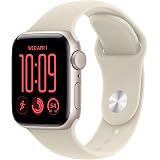
Apple Watch SE 3 GPS 40mm Smartwatch | Starlight Aluminum Case, Sand Sport Band - S/M. Fitness + Sleep + Cycle Tracking, Heart Rate, Vitals, Safety
$199.99 (as of October 19, 2026 03:22 GMT +00:00 - More infoProduct prices and availability are accurate as of the date/time indicated and are subject to change. Any price and availability information displayed on [relevant Amazon Site(s), as applicable] at the time of purchase will apply to the purchase of this product.)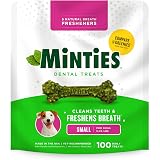
Minties Mint Dental Bone Treats, Tiny/Small Breeds, 80 Count | Vet-recommended mint dental bone; scrubs teeth as dogs chew; fights plaque, tartar & bad breath; no soy/wheat/corn
$22.81 (as of October 19, 2026 03:22 GMT +00:00 - More infoProduct prices and availability are accurate as of the date/time indicated and are subject to change. Any price and availability information displayed on [relevant Amazon Site(s), as applicable] at the time of purchase will apply to the purchase of this product.)
Roku Streaming Stick Plus with Voice Remote - 4K & HDR10+ | 4K & HDR Streaming Device for TV with Roku Voice Remote - Free & Live Local News, Sports (Renewed)
$59.99 (as of October 19, 2026 03:33 GMT +00:00 - More infoProduct prices and availability are accurate as of the date/time indicated and are subject to change. Any price and availability information displayed on [relevant Amazon Site(s), as applicable] at the time of purchase will apply to the purchase of this product.)













Post Comment