
Unmasking the Truth: Are Testosterone Boosters Just Hype or the Real Deal?

Testosterone—just hearing the word gets the blood pumping for many men, right? It’s that powerhouse hormone behind lean muscle, boundless energy, and a sex drive that could light up the room. But here’s the kicker: does popping those so-called “testosterone boosters” really crank your levels up, or is it all smoke and mirrors? Trust me, it’s not as simple as chugging a magic potion and waking up Hulk-strong. Testosterone doesn’t play by “more is better” rules, and slapping a supplement label on something doesn’t mean it’s a substitute for real, doctor-monitored treatment. So, if you’re curious whether these pills hold water or just empty promises, buckle up. I’ll break down the science, the myths, and what you need to do before reaching for that bottle. Because when it comes to your health, savvy beats gimmicks every time. LEARN MORE

Testosterone is a hot topic for men of all ages. After all, it supports lean muscle mass, energy and sex drive (among many other things). But whether so-called “testosterone boosting” supplements can help you see greater levels of these benefits is a different story.
For one thing, testosterone isn’t necessarily a “the more, the merrier” hormone. On top of that, taking a supposed testosterone booster is not the same as getting clinically supervised treatments for low testosterone. Below, we explain what you need to know about supplements that claim to boost testosterone, including what the research says, what you should do if you’re interested in taking one and more.
There’s a big difference between “testosterone boosting” supplements and testosterone therapy
Supplements that primarily market themselves as boosting men’s testosterone, libido, or energy may not actually deliver on what they claim. This is because supplements aren’t regulated by the Food and Drug Administration (FDA), so manufacturers don’t have to prove their safety or efficacy.
As a result, many “T-boosters” contain somewhat random dosages of multiple ingredients, each with varying levels of supporting research. One study of 50 such supplements found that only 25% had data to support their claims, and 10% actually had the potential to decrease testosterone.
By comparison, testosterone therapy is a proven treatment, at least for men with measurably lower levels of testosterone than expected for their age, with related symptoms. Even in these cases, treatment involves ongoing monitoring for negative side effects. For example, there’s a high risk of male infertility with the use of testosterone and certain booster supplementation, which can sometimes be permanent.
Some individual supplements may increase testosterone, but more context is needed
In contrast to multi-ingredient T-boosters, supplemental forms of certain individual herbs and nutrients have shown potential for increasing testosterone. However, many of them have not been studied enough to be proven safe for long-term use, and using them still means buying an unregulated product.
For vitamins and minerals specifically, taking supplemental forms can also cause you to get far more than your body needs. In some cases, this can result in negative side effects like nausea, headaches or dizziness. So if a vitamin or mineral supplement interests you, it’s generally better to start by trying to get more of it through the foods you eat.
In addition, you have your own unique combination of factors that influence your health, which can have an impact on how different supplements affect you. Because of this, it’s important to talk with a doctor before starting a supplement, and to only consider ones that have research behind them, such as:
- Ashwagandh – A traditional Ayurvedic herb, ashwagandha has been shown to support testosterone and other markers of male fertility, possibly by reducing stress and improving sleep quality.
- Dehydroepiandrosterone (DHEA – DHEA is a hormone that the body uses to make other hormones. It has been studied as a potential alternative to testosterone supplementation, with limited, mixed results.
- Fenugreek – Used in cooking for the maple-like flavor of its seeds, fenugreek may improve testosterone levels. The exact mechanism isn’t known, but it has been shown to enhance exercise performance and related outcomes.
- Maca – Grown in the Andes mountains, studies have found maca root to have many health benefits, with increased testosterone among them.
- Tribulus – Extract of the highly invasive puncture vine has undergone a number of studies for its potential effects on men’s health. While there’s no solid evidence that it increases testosterone, it has been shown to improve erectile function.
- Vitamin B6 – Found in tuna, salmon, chickpeas, poultry and leafy greens, vitamin B6 indirectly supports testosterone production and regulation in a variety of ways.
- Vitamin D – Although research is ongoing, studies suggest that vitamin D deficiency may negatively impact testosterone levels. Vitamin D is found in fatty fish, egg yolks, cheese, and fortified milks and cereals.
- Zinc – Found in seafood, meat, eggs, nuts, whole grains and dairy, zinc plays a key role in testosterone production.
Improving overall health can boost testosterone naturally
Although supplements like the above may have a positive effect on testosterone, they’re not a shortcut. Whether you’re a younger man trying to maximize muscle growth or an older man looking to maintain energy and slow natural age-related hormone changes, optimizing your overall health through the usual, “boring” routes is going to be necessary if you want the best possible results.
Take steps to manage chronic health conditions
Certain health conditions like obesity and diabetes are associated with lower testosterone levels. Obesity can negatively affect the pituitary gland or hypothalamus, which tell the testicles to produce testosterone. And diabetes impacts the pancreas’ ability to regulate blood sugar, which can also disrupt other hormones’ production processes including testosterone.
If you’re living with one of these conditions, working with your doctor to manage it is key to maintaining a healthy balance of hormones. Obesity in particular is one of the most reversible causes of low testosterone.
Get consistent moderate to high-intensity resistance and cardiovascular training
Moderate-to-intense resistance training (i.e., weightlifting) and high-intensity interval training have been shown to boost testosterone levels temporarily after completion. This doesn’t translate into long-term elevated levels, but completing 3-4 such workouts per week still supports testosterone indirectly by helping to regulate hormones, and build and maintain lean body mass. This is especially helpful for people with obesity or diabetes.
Moderate-intensity aerobic training like jogging, biking or swimming also helps reduce body fat and supports heart health, which is important for reducing potential low testosterone symptoms like erectile dysfunction.
Eat a balanced, whole foods-based diet
A balanced diet of lean proteins, healthy fats, fruits and vegetables helps your body produce a healthy balance of hormones. Whole foods are also more nutrient-dense and calorically efficient compared to processed foods, which can make it easier to maintain lean body mass.
Reduce or eliminate alcohol and nicotine
Excessive alcohol consumption and nicotine use can both negatively affect testosterone levels, sexual health and fertility.
Manage stress and get high-quality sleep
Stress and poor sleep have both been linked to decreased testosterone production. Getting consistent exercise is one way to help with these, but practicing good sleep hygiene and mindfulness techniques like meditation can also have benefits. Additionally, if you have a health condition like sleep apnea, working with a doctor to manage it is important. Sleep apnea can negatively affect testosterone levels by interrupting nighttime hormone production, and in some cases, testosterone therapy can make sleep apnea worse.
Avoid environmental toxins
Chemicals like bisphenol A (BPA) and phthalates that are used in some plastic food containers and cans have been found to disrupt hormone production. Research on the safety of different exposure levels is ongoing, but if you want to play it safe, look for packaging and containers that label themselves as free of these chemicals, and don’t heat up food in plastic. Eating a whole foods-based diet can also help with this by reducing the amount of packaging your food comes in.
If you think you might benefit from a testosterone boost, talk with a men’s health expert
If you’re interested in taking a supplement or are experiencing possible symptoms of low testosterone like fatigue, reduced sexual desire or erectile dysfunction, your primary care doctor is a great place to start. They can assess your goals, symptoms and overall health, make initial recommendations and connect you with a sexual health expert or another specialist if necessary.
At HealthPartners, you also have the option of scheduling an appointment directly with a sexual health expert. We don’t require a doctor’s referral before scheduling, but you should still check with your insurance plan to know your coverage for specialty care.

Milk-Bone Soft & Chewy Dog Treats, 25 Oz. Canister | Made with real beef & filet mignon, tender dog treats, easy to chew, for dogs of all ages and sizes
$14.48 (as of October 19, 2026 03:12 GMT +00:00 - More infoProduct prices and availability are accurate as of the date/time indicated and are subject to change. Any price and availability information displayed on [relevant Amazon Site(s), as applicable] at the time of purchase will apply to the purchase of this product.)
Amazon Kindle 16GB (newest model), Now thinner, lighter, and faster, 6" display, Ube
$149.99 (as of October 19, 2026 03:33 GMT +00:00 - More infoProduct prices and availability are accurate as of the date/time indicated and are subject to change. Any price and availability information displayed on [relevant Amazon Site(s), as applicable] at the time of purchase will apply to the purchase of this product.)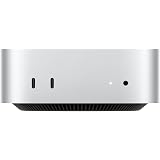
Apple 2026 Mac mini Desktop Computer M6 chip | 12‑core CPU and 12‑core GPU, 16GB Unified Memory, 256GB SSD Storage
$779.99 (as of October 19, 2026 03:33 GMT +00:00 - More infoProduct prices and availability are accurate as of the date/time indicated and are subject to change. Any price and availability information displayed on [relevant Amazon Site(s), as applicable] at the time of purchase will apply to the purchase of this product.)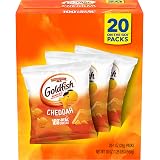
Goldfish Cheddar Cheese Crackers, Baked Snack Crackers, 1 oz On-the-Go Snack Packs, 20 Count Box
$8.76 (as of October 19, 2026 03:10 GMT +00:00 - More infoProduct prices and availability are accurate as of the date/time indicated and are subject to change. Any price and availability information displayed on [relevant Amazon Site(s), as applicable] at the time of purchase will apply to the purchase of this product.)











Post Comment