
US and Iran’s Unexpected Deal: Could This Be the Turning Point for Global Trade and Energy Markets?
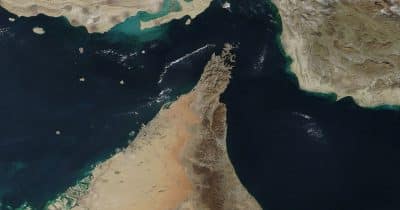
Imagine a waterway so crucial that the world’s energy markets collectively hold their breath anytime it hiccups. That’s exactly what’s happened with the Strait of Hormuz — a narrow choke point through which roughly 20% of global oil transits. Now, after months of high-stakes brinkmanship, US and Iranian officials have finally sketched out a framework to cool their military spat, dismantle the US naval blockade, and, most importantly, re-open this vital artery to toll-free shipping. The memo was announced on June 14, 2026, with the formal signing poised to happen in Switzerland around June 19. But here’s the kicker—while this deal promises to restore a semblance of calm and ease global supply chains, it kicks the nuclear thorn in the side down the road, leaving us all to wonder: how stable is this ceasefire really? Buckle up — this isn’t just geopolitical news; it’s a market game-changer with massive ripple effects. LEARN MORE
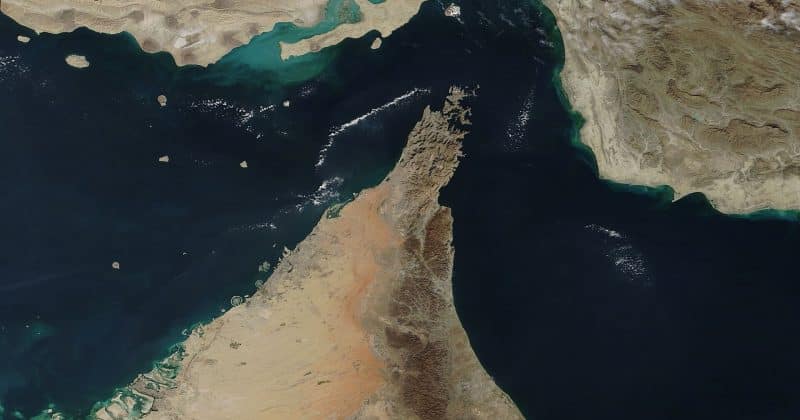
US and Iranian officials have agreed on a framework to end their military conflict, lift the US naval blockade on Iranian ports, and reopen the Strait of Hormuz to toll-free shipping. The memorandum of understanding, announced on June 14, 2026, is expected to be formally signed around June 19 in Switzerland.
Roughly 20% of the world’s oil transits through the Strait of Hormuz. When that chokepoint gets restricted, every market on earth feels it.
What the deal actually includes
The framework covers four main pillars: a 60-day extension of the ceasefire, an end to the US naval blockade, toll-free passage through the Strait of Hormuz, and a cessation of violence in Lebanon. In exchange, the 60-day window opens a dedicated negotiation period focused on Iran’s nuclear program.
President Trump confirmed the reopening of the Strait and referenced measures for the destruction of Iran’s highly enriched uranium, though the full text of the agreement has not been publicly released. The deal is anticipated to restore full prewar shipping conditions within approximately 30 days after the formal signing.
The talks represent the highest level of direct communication between Washington and Tehran since 1979. Mediators played a critical role. Pakistani Prime Minister Shehbaz Sharif and Qatari negotiators facilitated the discussions.
How the conflict escalated
The current crisis traces back to US and Israeli strikes on Iran that began around February 28, 2026. Iran responded by imposing restrictions on the Strait of Hormuz. A brief ceasefire in early April 2026 offered a temporary reprieve but failed to hold. The US subsequently imposed a naval blockade on Iranian ports, further escalating tensions.
What this means for investors
Oil prices dropped on the news as traders priced in the prospect of resumed shipping through the Strait. Broader equity markets showed positive momentum, reflecting optimism about reduced geopolitical risk.
The 60-day negotiation window on Iran’s nuclear program is where things could get complicated again. The framework defers the hardest question, Iran’s nuclear ambitions, to a future round of talks.
The 30-day timeline for restoring full prewar shipping conditions gives markets a concrete benchmark to watch. If tanker traffic through the Strait normalizes on schedule, expect energy prices to continue unwinding their risk premium.

Frito-Lay Fun Times Mix Variety Pack, 40 Count
$21.14 (as of October 12, 2026 03:09 GMT +00:00 - More infoProduct prices and availability are accurate as of the date/time indicated and are subject to change. Any price and availability information displayed on [relevant Amazon Site(s), as applicable] at the time of purchase will apply to the purchase of this product.)
Roku 32-Inch Select Series Smart TV 2026-1080p Full HD TV - RokuTV | Flat Screen LED Television with Voice Remote, Wi-Fi & Bluetooth Headphone Mode - Streaming Live Local News Sports & Movies
$99.99 (as of October 12, 2026 03:21 GMT +00:00 - More infoProduct prices and availability are accurate as of the date/time indicated and are subject to change. Any price and availability information displayed on [relevant Amazon Site(s), as applicable] at the time of purchase will apply to the purchase of this product.)
Apple iPad 11-inch: A16 chip, 11-inch Model, Liquid Retina Display, 128GB, Wi-Fi 6, 12MP Front/12MP Back Camera, Touch ID, All-Day Battery Life — Blue
$399.00 (as of October 12, 2026 03:21 GMT +00:00 - More infoProduct prices and availability are accurate as of the date/time indicated and are subject to change. Any price and availability information displayed on [relevant Amazon Site(s), as applicable] at the time of purchase will apply to the purchase of this product.)
Amazon Fire TV Stick 4K (newest model), simple 4K streaming, new Fire TV Remote, all your apps in one place, free & live TV, find shows faster with Alexa+
$59.99 (as of October 12, 2026 03:32 GMT +00:00 - More infoProduct prices and availability are accurate as of the date/time indicated and are subject to change. Any price and availability information displayed on [relevant Amazon Site(s), as applicable] at the time of purchase will apply to the purchase of this product.)













Post Comment