
US-Iran Showdown Escalates: What the Closure of Hormuz and Fresh Strikes Mean for Global Markets and Your Portfolio

Just when we thought the dust might settle in the tense standoff between the U.S. and Iran, the situation spiraled into something far more combustible. Imagine promising an “ending soon” only to double down on strikes hours later — sounds like a scene from a high-stakes thriller, right? Yet, here we are, with President Trump shifting gears rapidly, warning Tehran they’ll “pay the price” while insisting Iran just needs to “start signing a paper.” Meanwhile, on the other side, the Islamic Revolutionary Guard Corps has escalated the game by declaring the Strait of Hormuz closed to all vessels, threatening to target any that dare cross. It’s a deadly chessboard where every move risks igniting a wider conflict, and with a Qatari delegation still trying to broker peace, one has to wonder: are these bombings a sign of strength, weakness, or something more dangerously uncertain? Strap in, because this story’s far from over — and the stakes couldn’t be higher. LEARN MORE

“Ending soon” did not survive the day. Hours after telling Fox News the Iranians had asked him to stop the bombing, Trump was complaining Tehran took “too long to negotiate a deal,” warning it would “pay the price,” and insisting all Iran has to do is “start signing a paper.” By evening, US Central Command confirmed strikes on multiple targets for a second straight day, citing “Iran’s unwarranted and continued aggression,” while Defense Secretary Pete Hegseth said “key facilities” were being hit and sidestepped a question on whether striking civilian infrastructure would amount to a war crime. Iranian media placed the impacts near Minab and Sirik, on the Strait of Hormuz’s doorstep.
Tehran’s answer landed on the Islamic Revolutionary Guard Corps (IRGC) Telegram channel: the Strait is “closed to all vessels, including oil tankers and commercial ships,” effective immediately, and “any vessel attempting to transit the strait will be targeted.” That is a published kill order on a waterway JPMorgan reckons is already running visible traffic at roughly 15% of pre-war levels. It collides head-on with Trump’s claim of a month-old “secret mission” that has escorted more than 200 commercial ships through, and with his Energy Secretary’s line a day earlier that flows were “rising very meaningfully.” One side says the convoys run; the other has now promised to shoot at them.
The day’s one genuine diplomatic fact makes it worse: a Qatari delegation flew into Tehran to “bridge the remaining gaps” and was still in the country when the new strikes landed. Whatever channel exists, Washington just bombed through it. President Masoud Pezeshkian called the threats against Iran’s power, water and transport “a sign of weakness.”
Key Trump and Iran highlights
Trump: US fighter jets flying over Iranian airspace
Trump: Spoke directly with Iranian officials
Trump: Iranians requested I cease bombing
Trump: Airstrikes will end soon
Trump: There might be additional Iran attacks
Trump: Israelis not involved in Iran strikes
Iran’s Navy: No vessel should move from its anchorage in the Persian Gulf and the Sea of Oman. Approaching the Strait of Hormuz will be considered as cooperating with the enemy
Iran’s Navy: Hormuz will be closed until further notice
Iran state media citing senior official: No contact between Iranian officials and Trump
Iran: Trump’s claim about Iranian officials contacting him is pure falsehood.
Iran state media citing senior official: Trump’s ‘false claim’ of contact with Iranian officials is ‘cover to avoid war against Iran’
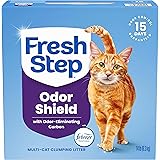
Fresh Step Odor Shield Multi Cat Clumping Cat Litter, 14 lb. | Febreze Freshness, Odor Shield with Ammonia Block Technology, Low Dust, Compatible with Most Automatic Litter Boxes
$11.16 (as of October 12, 2026 03:11 GMT +00:00 - More infoProduct prices and availability are accurate as of the date/time indicated and are subject to change. Any price and availability information displayed on [relevant Amazon Site(s), as applicable] at the time of purchase will apply to the purchase of this product.)
BunnyPal Amblora Pet Earrinse, Amblora Ear Cleaner Dogs and Cats | Pet Ear Rinse Foaming Action, Alcohol-Free Ear Cleaning Solution For Daily Ear Care, Helps Remove Wax And Debris
$24.55 (as of October 12, 2026 03:21 GMT +00:00 - More infoProduct prices and availability are accurate as of the date/time indicated and are subject to change. Any price and availability information displayed on [relevant Amazon Site(s), as applicable] at the time of purchase will apply to the purchase of this product.)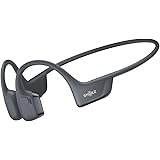
SHOKZ OpenRun Pro 2 Bone Conduction Bluetooth Sport Headphones, Black | Bundle with Reflective Strip;DualPitch premium sound;Open ear awareness; Smart Mic; IP55; 12H battery; Running/Cycling/Hiking
$179.95 (as of October 12, 2026 03:21 GMT +00:00 - More infoProduct prices and availability are accurate as of the date/time indicated and are subject to change. Any price and availability information displayed on [relevant Amazon Site(s), as applicable] at the time of purchase will apply to the purchase of this product.)
Medium Hass Avocado
(as of October 12, 2026 03:09 GMT +00:00 - More infoProduct prices and availability are accurate as of the date/time indicated and are subject to change. Any price and availability information displayed on [relevant Amazon Site(s), as applicable] at the time of purchase will apply to the purchase of this product.)













Post Comment