
Why Cape Town’s New Marathon Major Status Is a Game-Changer for Runners—and What It Means for Southern Africa’s Future
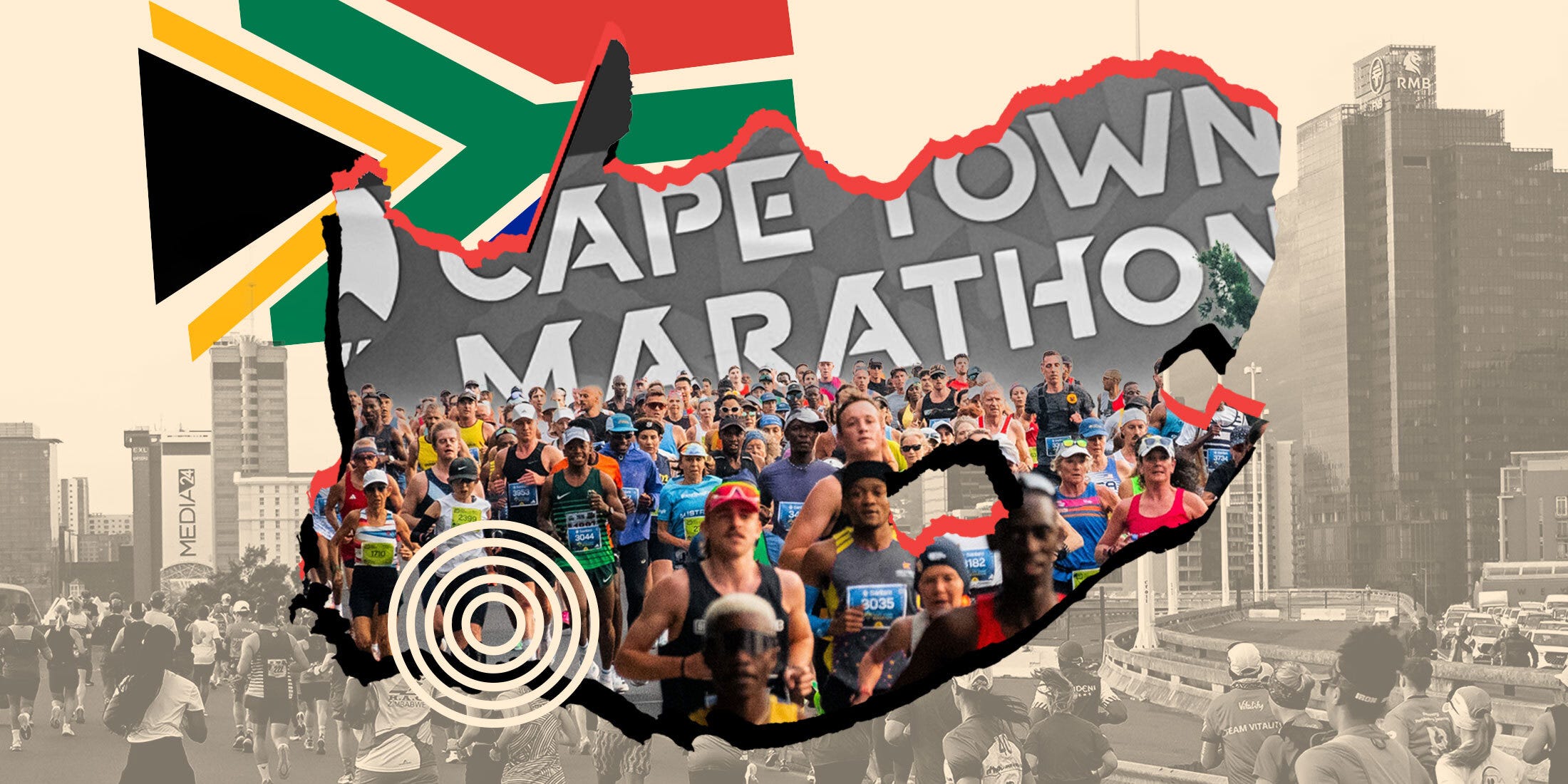
When I first heard that the Sanlam Cape Town Marathon had officially joined the illustrious ranks of Abbott World Marathon Majors — rubbing elbows with New York City, London, and the heavy hitters of the marathon world — my reaction was as straightforward as it gets: It’s about freakin’ time. But honestly, it sets off a wildfire of questions — why did it take so long for an African city to snag this spotlight, and what does this mean for the countless runners who’ve always dreamed of a Major on their home turf? I can’t help but think back to my sixteen-year-old self, pounding the pavement in Harare, Zimbabwe, utterly unaware that decades later, I’d be toeing start lines of some of the globe’s most legendary marathons. This moment doesn’t just mark a new chapter for Cape Town; it represents a seismic shift in representation and opportunity for African runners, especially women, who’ve often had to uproot their dreams to foreign soil. Buckle up — because the race to redefine who truly belongs in marathon history is just getting started. LEARN MORE
 6 min read
When I learned that the Sanlam Cape Town Marathon had officially become an Abbott World Marathon Major—joining New York City, London, and more with the prestigious title—my first thought was simple: It’s about time.
My next thought was about my 16-year-old self running her first 10K in Harare, Zimbabwe, never imagining that decades later she would stand on the start lines of World Marathon Majors. I thought about all the African women who, for so long, have had to look beyond our shores to find ourselves reflected in the world’s biggest races.
A child of Zimbabwean parents, I spent my formative years moving between Zimbabwe, Botswana, the United States, and South Africa. My family is scattered throughout South Africa, including Cape Town, and I married my Nigerian husband in Johannesburg. Southern Africa shaped my understanding of identity, belonging, possibility—and, yes, running.
As an African woman, marathoner, and RRCA-certified run coach—I deeply understand much visibility matters in the running space and beyond. And naming the Sanlam Cape Town Marathon as a world major is a groundbreaking moment of visibility for African running.
To say this moment feels personal would be an understatement.
Running has been woven through my life for decades. In truth, I cannot remember a time when I was not running. From egg-and-spoon races in primary school to my first official race, running has always been part of who I am.
Throughout middle and high school in Zimbabwe and South Africa, I devoted myself to the 100- and 200-meter sprints and beyond on the track team. Sprinting was life to me—the wind at my back, my legs moving with the grace of a gazelle, clearing hurdles, the cheers from the sidelines, and the chants our teams sang in support of one another. I thrived on the energy, camaraderie, and joy of competition.
I competed in track throughout high school, eventually serving as captain of my house team and setting school records along the way. Those early years on the track were where I first discovered not only my competitive spirit, but also the power of the community that can build through running.
But, it wasn’t until years later after returning to the United States for college that I discovered distance running. I first became a marathoner in 2012 when I ran the Boston Marathon as a new mother, still navigating postpartum recovery. I ultimately completed two World Majors: the Boston Marathon twice and the Chicago Marathon. (And, in 2025, completed the Access Bank Lagos City Marathon in 2025, finally completing the distance in Africa too.)
Since then, I have also run alongside my son at U.S. races, like the Dot Day 5K or the BAA 5K—and watching him witness his mother move through endurance, discipline, and joy made me realize just how much visibility and representation matters in this sport. Children and adults alike learn what is possible by what they see.
Today, I am committed to strengthening community-centered movement through my work as a running coach supported by VCPM Inc. and as the Lagos Women Run 10K Ambassador for the largest women’s race in Sub-Saharan Africa, which brings together more than 8,000 participants. I also founded Hambai Movement, a wellness initiative that encourages women across Africa and the diaspora to embrace movement as medicine and community as essential to well-being.
Anyone who has experienced a World Major knows these events are about more than finish times.
Running is freedom. It is meditation in motion. It gives me power and agency over what my body can do. Running has also been a vital anchor for my mental health, continually bringing me back to myself during life’s most challenging seasons.
Running, for me, is also an act of service and partnership. I ran my marathons for charities, using my miles to support causes larger than myself. I ran my first marathon as part of a fundraising team for Mother Caroline Academy, Boston’s only tuition-free school for girls from under-resourced communities. My husband and I trained and ran together, an experience that deepened not only my commitment to the sport but also our partnership.
Those races changed me.
But marathons don’t just change the runner. Entire cities transform. Strangers show up en masse to cheer for one another. Communities open their arms to runners from around the world as they take on the most iconic distance in our sport.
Most recently, I traveled to London for their World Major with my husband Olumide—my running partner of more than 16 years—to join thousands of spectators cheering on runners from across the globe, including several of my teammates from Black Girls Run Boston and Black Unicorn Marathoners.
While neither of us was running the London Marathon, we laced up for the inaugural TCS London Marathon & Friday Night Lights 5K in Battersea Park. Running through the park, I found myself alongside fellow Southern Africans. We stopped to take a photograph together, standing side by side, proudly carrying our national flags. Thousands of miles from home, I was reminded that running has an extraordinary way of bringing people home to one another.

Bib pick up with my husband for the Friday Night Lights 5K.

Meeting fellow runners at the start line for the 5K with our flags.
Later that weekend, watching London come alive around the marathon, I found myself wondering what it would feel like for an African city to experience that same global spotlight. The energy surrounding the race, which would ultimately see Kenya’s Sabastian Sawe claim victory—and make history breaking two hours in the marathon—was a reminder that African athletes continue to shape the sport at its highest levels.
Now, Cape Town will be able to be a part of that legacy.
Why does this matter so deeply?
Because World Marathon Majors do more than crown champions—they shape the stories we tell about who belongs in running.
Africa has long been the heartland of distance running. Women such as Tegla Loroupe and Hellen Obiri have redefined what is possible in the sport. Yet, for many African women, the dream of participating in a Major has required crossing oceans.
Cape Town becoming a Major changes that.
Many of the women I coach are training for their first 5K or 10K. Some never imagined themselves as runners at all. Now, girls across Africa can look to a race on their own continent and see not only elite champions, but themselves.
The Cape Town Marathon becoming a Major sends a powerful message to women and girls across Africa: You belong here, and history can be made on African soil. And feeling seen and being invited into spaces can truly change the trajectory of a person’s life—I know it did for me.
African women have never lacked talent, determination, or courage. What we have sometimes lacked is visibility, investment, and infrastructure. Cape Town becoming a Major feels like a long-overdue acknowledgment that the continent that has given so much to distance running is worthy of hosting one of the sport’s biggest events.
Cape Town becoming a Major has the potential to create long-awaited change.
Still, my joy exists alongside complexity.
As a Zimbabwean American with South African roots, married to a Nigerian, my family is Pan-Africanism in action. I know that movement—whether through migration or through running—has always been part of the African story. Sport, at its best, is a form of diplomacy. It builds bridges and invites people to see one another’s humanity.
Additionally, accessibility matters. For many African runners, participating in races across the continent can still be complicated by visa restrictions, cost, and barriers to regional mobility. If Cape Town is to truly become Africa’s Major, I hope it also becomes a model for openness and accessibility—making it easier for runners from across the continent to travel, compete, and experience the transformative power of global running culture.
Cape Town becoming a World Marathon Major should be a celebration not only for South Africa, but for the entire continent. My hope is that the city’s new status encourages greater connection, broader accessibility, and deeper investment in African running communities.
Earlier this year, I attended the inaugural World Athletics Africa Running Conference in Lagos, Nigeria. The energy in those rooms was undeniable. It was clear to me that Africa is ready—not only to continue producing elite runners, but also to build world-class races, strengthen recreational running culture, and create healthier communities through movement.
Cape Town becoming a Major is not the finish line; it is the starting line. For generations, African runners have traveled abroad in pursuit of history. Now, history has arrived on our soil.
It’s about time.
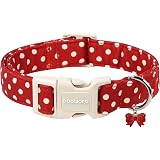
DOGWONG Red White Polka Dot Dog Collar for Small Dogs S | Girl Female Dog Collar Adjustable Soft Cute Bow Charm Pet Dog Collars Cream Red Polka Dot Printed Puppy Collar
$9.99 (as of October 15, 2026 03:21 GMT +00:00 - More infoProduct prices and availability are accurate as of the date/time indicated and are subject to change. Any price and availability information displayed on [relevant Amazon Site(s), as applicable] at the time of purchase will apply to the purchase of this product.)
Smart Dog Bark Collar with Advanced Bark Detection, 4 Adjustable Training Modes, Beep, Vibration, USB-C Rechargeable Barking Collar, IP67 Waterproof, No Bark Collar for Small, Medium & Large Dogs
$29.99 (as of October 15, 2026 03:21 GMT +00:00 - More infoProduct prices and availability are accurate as of the date/time indicated and are subject to change. Any price and availability information displayed on [relevant Amazon Site(s), as applicable] at the time of purchase will apply to the purchase of this product.)
SAMULE Dog Bark Deterrent Device, Smart Anti Barking Device for Dogs | Ultrasonic Bark Box with 3 Frequency Settings, Outdoor Indoor 30FT Range Type-C Barking Silencer for Stop Neighbors Dog Bark
$29.99 (as of October 15, 2026 03:21 GMT +00:00 - More infoProduct prices and availability are accurate as of the date/time indicated and are subject to change. Any price and availability information displayed on [relevant Amazon Site(s), as applicable] at the time of purchase will apply to the purchase of this product.)
Pur Luv Dog Treats, Chicken Jerky Dog Treat with Real Chicken Breast, 16 oz | High protein and low fat, Limited ingredient recipe, No artificial flavors or preservatives, Satisfies instinct to chew
$14.09 (as of October 15, 2026 03:11 GMT +00:00 - More infoProduct prices and availability are accurate as of the date/time indicated and are subject to change. Any price and availability information displayed on [relevant Amazon Site(s), as applicable] at the time of purchase will apply to the purchase of this product.)











Post Comment