
Why Federal Reserve’s Warsh Is Betting Against Complex Tools – And Why You Should Care Today
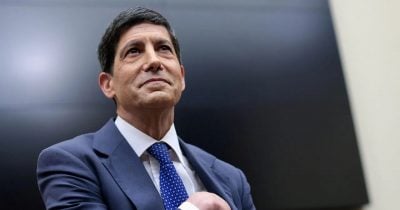
So here’s a quick brain teaser for you: what happens when the Federal Reserve Chair decides to take a step back instead of tightening the reins? Enter Kevin Warsh — the man who just shook up the Fed playbook by swapping out the usual interventionist nudges for letting the markets speak their own wild, unfiltered language. Confirmed in June 2026, Warsh isn’t tiptoeing around inflation or soft-pedaling the nasty realities. Nope, he’s calling inflation what it is—an “unfair burden” — and making a straight-up promise: price stability, or bust. But here’s the kicker — unlike his predecessors, Warsh’s approach skips the usual coded policy drama and instead leans on asset prices and dollar swings to send shockwaves through policy decisions. And if you thought that was surprising, wait until you hear about his crypto ties and what his market-driven mantra means for digital gold and all the cryptos dancing on the edge of volatility. Ready to dive deeper into the Warsh revolution and how it’s flipping the script on the Fed and crypto alike? LEARN MORE
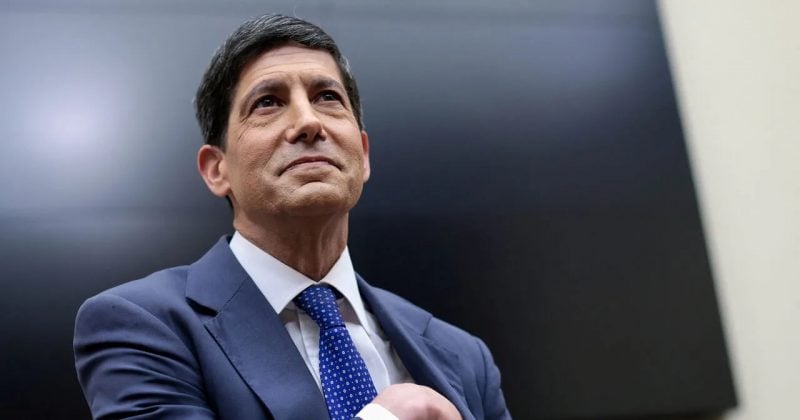
Kevin Warsh, confirmed as Federal Reserve Chair on June 17, 2026, is doing something unusual for a central banker: stepping back. His vision for monetary policy trades the Fed’s traditional toolkit of interventionist measures for something far blunter, letting financial markets themselves serve as the primary signal for policy decisions.
The Warsh doctrine takes shape
At his first FOMC meeting, Warsh held the federal funds rate steady at 3.5-3.75%. What turned heads was how he communicated it: a significantly shortened policy statement that stripped away the kind of hedging language Fed watchers have spent decades learning to decode.
Warsh has been blunt about inflation, calling it an “unfair burden” and framing it as a tax that needs to be eliminated. No caveats, no soft landings rhetoric. Just a straightforward pledge to deliver price stability.
In July 2026, he took the philosophy further, promoting the idea that markets should provide “unfiltered” signals without Fed interference. In English: the Fed should stop trying to micromanage every corner of the financial system and instead let asset prices, Treasury yields, and dollar movements tell policymakers what’s actually happening in the economy.
A Fed chair with crypto on his balance sheet
Financial disclosures revealed that Warsh held equity stakes in over a dozen crypto-related organizations prior to taking office. These included positions in prominent DeFi protocols and both Layer 1 and Layer 2 networks. He committed to divesting from these assets.
Warsh has described Bitcoin as an important asset for policymakers to understand, while simultaneously downplaying it as a systemic threat to the Fed’s authority. That framing positions crypto as something the Fed should pay attention to without treating it as an adversary, a significant tonal shift from the skepticism that characterized previous Fed leadership.
What market-driven policy means for crypto
The early reactions to Warsh’s policy meetings have already shown increased volatility in major digital assets. Traders are still calibrating to a Fed that communicates differently, intervenes less, and seems genuinely comfortable with market turbulence as a feature rather than a bug.
The federal funds rate sitting at 3.5-3.75% is already well below the peak tightening cycle levels of recent years. What matters more than the current level is Warsh’s reaction function: will he let markets run hot, or will his price stability commitment lead to preemptive tightening that catches leveraged crypto positions off guard?
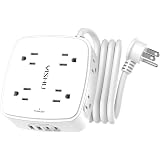
YISHU 6Ft Surge Protector Power Strip with 8 Widely Outlets & 4 USB Ports | 3 Side Outlet Extender with 6 Feet Extension Cord, Flat Plug, for Home, Office, College Dorm Room Essentials
$9.99 (as of October 17, 2026 03:21 GMT +00:00 - More infoProduct prices and availability are accurate as of the date/time indicated and are subject to change. Any price and availability information displayed on [relevant Amazon Site(s), as applicable] at the time of purchase will apply to the purchase of this product.)
Amazon Fire TV Stick 4K Select, start streaming in 4K, AI-powered search, and free & live TV, find shows faster with Alexa+
$49.99 (as of October 17, 2026 03:21 GMT +00:00 - More infoProduct prices and availability are accurate as of the date/time indicated and are subject to change. Any price and availability information displayed on [relevant Amazon Site(s), as applicable] at the time of purchase will apply to the purchase of this product.)
Diet Coke Soda Soft Drink Cans, 12 fl oz, 12 Pack | No sugar, no calories, 46 mg caffeine per can
$7.68 (as of October 17, 2026 03:10 GMT +00:00 - More infoProduct prices and availability are accurate as of the date/time indicated and are subject to change. Any price and availability information displayed on [relevant Amazon Site(s), as applicable] at the time of purchase will apply to the purchase of this product.)
Apple EarPods Headphones with USB-C Plug, Wired Ear Buds with Built-in Remote to Control Music, Phone Calls, and Volume
$19.00 (as of October 17, 2026 03:21 GMT +00:00 - More infoProduct prices and availability are accurate as of the date/time indicated and are subject to change. Any price and availability information displayed on [relevant Amazon Site(s), as applicable] at the time of purchase will apply to the purchase of this product.)












Post Comment