
Why Founders Keep Losing Sales Reps Over Commission—and How Taurza’s Bold Move Could Finally Break the Cycle

Ever wonder why some of your best salespeople suddenly vanish—poof—like magic? Sure, you hear the usual suspects: “a better offer,” “bad management,” or “product woes.” But have you ever stopped to consider the quiet culprit lurking behind the scenes—the commission check that suddenly feels like a puzzle game? Picture this: the payout arrives, lower than expected, and what follows is a tug-of-war across spreadsheets and interpretations that leaves your rep wondering, “Do I really trust this number, or just whoever shouts the loudest?” It’s not just a paycheck dispute; it’s a trust bomber detonating quietly in the heart of growing companies wherever complex compensation plans meet manual calculations that nobody really reads or understands until it’s too late. Let’s dive into how this silent dealbreaker sneaks up on founders and what savvy businesses can do to end the commission saga once and for all. LEARN MORE

Ask founders why a strong sales hire left and the answers are familiar: a better offer, a bad manager, a product that stopped selling. One reason gets mentioned less often but comes up constantly in exit conversations. The rep stopped trusting the commission check.
It rarely starts with a big error. A payout comes in lower than expected. The rep asks why. Someone in finance rebuilds the calculation in a spreadsheet, a manager offers a different reading of the plan, and a week later the number is either corrected or defended. Either way, the rep has learned that their pay depends on whoever wins the argument.
Disputes are a symptom
For a growing company, commission disputes usually trace back to three problems. The plan lives in a document nobody reads. The math lives in a spreadsheet that gets rebuilt every month. And reps cannot see what a deal pays until long after they closed it.
Taurza, an Austin company building sales compensation software, is designed around those three gaps. Finance loads the signed plan once as the plan of record. The CRM connection is read-only. Reps see a published rate ladder showing what the next deal pays at the margin, before they close it. When a number is questioned, the dispute opens a trace to the plan clause that produced it. In the company’s words, the rep sees the line and the argument ends.
What leaders get from it
The Taurza use cases describe the shift for each group. Reps check attainment and the ladder on their phones between meetings. Finance certifies one payout run per cycle. RevOps stops rebuilding the commission spreadsheet every month. Sales leaders run pipeline reviews on live rates instead of debating what a deal is worth.
Taurza calculates and certifies. Payroll still pays, and the company never holds or moves money. The product is aimed at teams of roughly 20 to 250 quota-carrying reps, which is the stage when spreadsheets start to break but a dedicated compensation team still feels like a luxury.
A founder’s checklist
Whatever tool a company uses, a few habits protect trust:
- Keep one signed plan and point every calculation at it.
- Show reps the marginal rate during the quarter, not only the total after it.
- Answer disputes with the clause, not a new spreadsheet.
Comp plans are meant to motivate. When reps believe the number, they do.
<!–
–>

DUMOS 36 Inch Dog Crate, Puppy Small Medium Foldable Dog Cage Pet Kennel | Double Door Metal Wire, Plastic Leak-Proof Pan Tray, Portable Indoor Outdoor Training Travel
$49.99 (as of October 28, 2026 03:23 GMT +00:00 - More infoProduct prices and availability are accurate as of the date/time indicated and are subject to change. Any price and availability information displayed on [relevant Amazon Site(s), as applicable] at the time of purchase will apply to the purchase of this product.)
GOODGROWLIES Dog Allergy Relief Chews - Anti-Itch Skin & Coat Supplement | Itchy Skin Relief w/Omega 3 & Fish Oil - Itching & Paw Licking Support - Dry Skin & Hot Spots Treatment - Vet-Approved, 180Ct
$24.99 (as of October 28, 2026 03:23 GMT +00:00 - More infoProduct prices and availability are accurate as of the date/time indicated and are subject to change. Any price and availability information displayed on [relevant Amazon Site(s), as applicable] at the time of purchase will apply to the purchase of this product.)
INABA Churu Cat Treats, Lickable, Squeezable Creamy Purée Cat Treat with Green Tea Extract & Taurine, 0.5 Ounces Each Tube, 50 Tubes, Tuna & Chicken Variety
$32.96 (as of October 28, 2026 03:14 GMT +00:00 - More infoProduct prices and availability are accurate as of the date/time indicated and are subject to change. Any price and availability information displayed on [relevant Amazon Site(s), as applicable] at the time of purchase will apply to the purchase of this product.)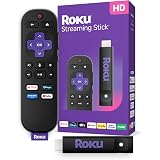
Roku Streaming Stick HD with Voice Remote | Compact HD Streaming Device for TV with Roku Voice Remote & Long-Range Wi-Fi - Free & Live Local News, Sports
$36.99 (as of October 28, 2026 03:23 GMT +00:00 - More infoProduct prices and availability are accurate as of the date/time indicated and are subject to change. Any price and availability information displayed on [relevant Amazon Site(s), as applicable] at the time of purchase will apply to the purchase of this product.)














Post Comment