
Why House Democrats Are Betting Against Bailouts: The Bold Play to Let AI Startups Crash and Burn—And What It Means for Investors Now
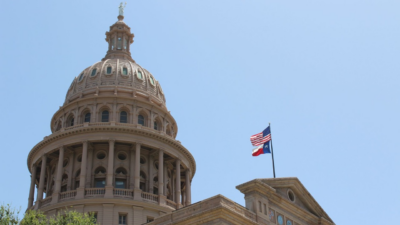
So here’s a curveball for you: What happens when the AI boom—those shiny, futuristic tech giants we all cheer for—suddenly hits a wall and starts to crumble? Well, two House Democrats, Greg Casar and Maxine Waters, are already waving a big red flag. They’ve put forward a non-binding resolution insisting that if these AI firms tank, the government shouldn’t swoop in with a taxpayer-funded bailout. Instead, they argue these companies should face the music like any other business—ordinary bankruptcy, no special treatment. It’s a bold move that flips the familiar “too big to fail” script on its head, challenging the usual Wall Street playbook and demanding accountability from reckless executives. As the AI bubble balloons—pumped up by major tech and Wall Street borrowing—this resolution urges us to ask: Are we ready to let the market do its thing and learn from past mistakes, or are we doomed to replay the same old story? Fasten your seatbelt—this debate could redefine how we handle innovation’s inevitable ups and downs. LEARN MORE
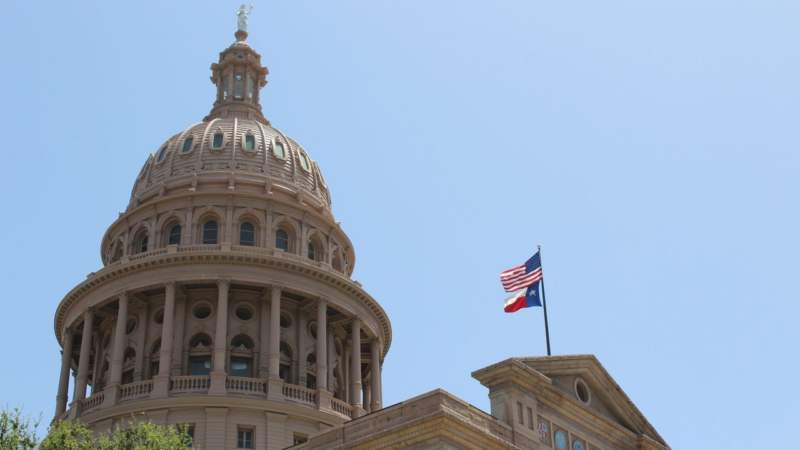
A non-binding measure from Reps. Greg Casar and Maxine Waters urges ordinary bankruptcy over taxpayer rescues if an AI bubble bursts
Two House Democrats want Congress on the record before anything breaks: if the AI boom goes bust, nobody gets rescued with public money.
On October 28, 2026, Reps. Greg Casar and Maxine Waters introduced a resolution declaring that Congress should firmly oppose federal bailouts for AI companies facing insolvency.
What the resolution actually says
The measure goes beyond direct cash rescues. It also opposes any exceptional regulatory support for AI companies, or for related financial sectors, that hit insolvency during a downturn in the AI market.
In place of a rescue, the resolution points struggling firms toward standard bankruptcy procedures. That is the same court process any other insolvent business would face.
The lawmakers present bankruptcy as the fairer path. Under ordinary procedures, the resolution argues, priorities for workers, consumers, pension holders and competition are upheld.
There is also an accountability piece. The text calls for senior executives who engaged in excessive risk-taking to be held responsible for those decisions.
Now the important caveat: this is a non-binding resolution. It does not require approval from the Senate or the President.
Why the timing matters
The resolution is a response to mounting concern over how much money major tech firms and Wall Street are borrowing to fund the AI build-out.
Waters zeroed in on that debt. She said the risks Big Tech and Wall Street are taking with borrowed money are growing as signs of an AI bubble appear.
She also stressed that lessons from earlier financial crises need to be applied so history does not repeat itself. Warnings about a potential speculative bubble in AI have drawn comparisons to the 2008 financial crisis.
Public opinion appears to be on their side. Recent polling shows that more than two-thirds of Americans favor letting failing AI companies go through regular bankruptcy rather than receive government assistance.
Disclosure: This article was edited by Diego Almada Lopez. For more information on how we create and review content, see our Editorial Policy.

TAGRY Bluetooth Headphones True Wireless Earbuds 60H Playback LED Power Display Earphones with Wireless Charging Case IPX5 Waterproof in-Ear Ear buds with Mic for TV Smart Phone Laptop Computer Sports
$25.99 (as of October 28, 2026 03:23 GMT +00:00 - More infoProduct prices and availability are accurate as of the date/time indicated and are subject to change. Any price and availability information displayed on [relevant Amazon Site(s), as applicable] at the time of purchase will apply to the purchase of this product.)
HONEY CARE All-Absorb A26 Male Dog Wrap, 50 Count, Small
$17.99 (as of October 28, 2026 03:14 GMT +00:00 - More infoProduct prices and availability are accurate as of the date/time indicated and are subject to change. Any price and availability information displayed on [relevant Amazon Site(s), as applicable] at the time of purchase will apply to the purchase of this product.)
ARM & HAMMER Cloud Control Platinum- Improved Packaging Clumping Cat Litter, 34 lb
$32.16 (as of October 28, 2026 03:23 GMT +00:00 - More infoProduct prices and availability are accurate as of the date/time indicated and are subject to change. Any price and availability information displayed on [relevant Amazon Site(s), as applicable] at the time of purchase will apply to the purchase of this product.)
Coca-Cola Zero Sugar Soda Soft Drink Fridge Pack Cans, 12 fl oz, 12 Pack | Carbonated cola soda pop with zero calories
$7.68 (as of October 28, 2026 03:14 GMT +00:00 - More infoProduct prices and availability are accurate as of the date/time indicated and are subject to change. Any price and availability information displayed on [relevant Amazon Site(s), as applicable] at the time of purchase will apply to the purchase of this product.)












Post Comment