
Why Most Boards Fail at Succession Planning (And How You Can Future-Proof Yours Before It’s Too Late)

Ever wondered if your boardroom is stuck on autopilot—just swapping seats without ever changing the direction of the ship? Caroline Kinsella, Board and Member Services Director at IoD Ireland, is flipping that script. She dives deep into how board succession planning isn’t just ticking boxes to replace outgoing directors anymore. Nope, it’s about strategically, proactively, and skillfully crafting a dynamic team that not only keeps pace with today’s rollercoaster of geopolitical shifts, AI disruptions, and cyber threats—but actually leads the charge toward long-term resilience and governance excellence. It’s like moving from “who’s next?” to “what’s next?” around the table—and trust me, that’s a game changer for any organization willing to evolve instead of just survive. Ready to rethink how your next board appointment could be your smartest move yet? LEARN MORE
Caroline Kinsella, Board and Member Services Director, IoD Ireland, explores how board succession planning is becoming strategic, proactive and skills-focused to strengthen governance, resilience and long-term effectiveness.
Traditionally, board succession planning in many organisations was shaped by natural transitions. When a long-serving director indicated they would step down, the nomination committee would begin discussions, focusing on identifying a suitably experienced replacement to ensure continuity at board level.
While that approach served boards well for many years, the governance environment facing organisations today is changing rapidly. Increasingly, boards are recognising that succession planning is no longer simply about replacing outgoing directors, it is about ensuring the board itself continues to evolve in line with the organisation’s future strategic direction.
According to Caroline Kinsella, Board and Member Services Director at IoD Ireland, this shift is becoming increasingly visible through the organisation’s work with boards and leadership teams across Ireland.
“The expectations being placed on boards have changed significantly over recent years,” she says. “Boards are overseeing organisations through geopolitical uncertainty, digital transformation, AI disruption, cyber risk, regulatory pressure and growing stakeholder scrutiny. As a result, many organisations are thinking more strategically about the future capabilities and perspectives required around the board table.”
From Replacement to Renewal: A New Boardroom Mindset
Kinsella believes one of the most significant changes in governance today is the growing recognition that board succession planning should support long-term board effectiveness, not simply orderly transition.
“Recruitment conversations often begin because a director is stepping down,” she explains.
“However, many boards are now using those moments as an opportunity to reflect more broadly on board composition and the capabilities that may be needed over the next three to five years to help deliver an organisation’s strategy.”
That shift is encouraging boards to move beyond simply seeking comparable experience to the outgoing director.
“Boards today are considering how they maintain the right balance of strategic insight, governance experience, sector knowledge and independence of thought,” she says.
“They are also reflecting on how the board can continue to evolve alongside emerging areas such as AI, cyber security, organisational transformation and changing stakeholder expectations.”
This broader and more forward-looking approach to succession planning is becoming particularly important as organisations navigate increasingly complex strategic and risk environments.
Evolving Board Appointment Practices
Demand for experienced independent non-executive directors has grown significantly in recent years as organisations strengthen governance structures, expand internationally and navigate greater operational complexity.
“Boards today are looking for far more than technical or sector expertise alone,” says Kinsella.
“They are seeking individuals who bring sound judgement, governance maturity, strategic perspective and the ability to constructively challenge and support executive leadership.”
While Ireland benefits from a strong and experienced board talent pool, Kinsella believes many organisations are recognising the limitations of relying solely on informal appointment networks.
“For many years, board appointments in Ireland often happened through trusted personal connections and recommendations,” she says.
“Relationships will always matter, but boards are increasingly recognising that relying exclusively on familiar networks can unintentionally narrow perspective and limit the diversity of the talent pool.”
As governance expectations continue to evolve, many organisations are adopting more structured and transparent approaches to board recruitment and succession planning.
“At IoD Ireland, through our Board Recruitment service, we are increasingly supporting organisations as they think more strategically about board composition and long-term governance effectiveness,” she says.
“Boards are looking beyond simply filling vacancies. They are assessing the overall mix of skills, experience, leadership styles and perspectives required to support the organisation into the future.”
Embedding Good Governance in Board Recruitment
IoD Ireland’s Board Recruitment service works with organisations to identify and connect with experienced board-ready leaders, including independent non-executive directors, chairs and committee members from across a broad range of sectors and disciplines.
In Kinsella’s view, successful board recruitment involves not only identifying strong candidates but also understanding the broader governance needs of the board and who they need around the table to support the delivery of their strategy.
“The strongest boards recognise that effective governance depends not only on individual expertise, but on having the right overall dynamic and balance around the table,” she explains.
“That includes experience, independence, diversity of thought, constructive challenge and the ability to support long-term organisational oversight.”
The organisation is also seeing increased demand from boards seeking individuals with experience in areas such as transformation, technology, cyber risk, sustainability and international growth, particularly where organisations are preparing for the next stage of development or change.
“Many boards are thinking more proactively about renewal than they may have done historically,” Kinsella says.
“There is a growing recognition that board composition should evolve alongside the organisation itself.”
In supporting organisations through board recruitment, IoD Ireland also brings additional practical tools that help boards define their needs more clearly from the outset.
This includes access to IoD Ireland’s Director Remuneration Guide, which offers organisations a valuable market reference point on the types of remuneration structures in use, the time commitments typically involved in board roles, and some of the most common challenges directors are facing in practice.

In addition, IoD Ireland supports organisations with skills matrix tools that can help boards take a more structured approach to skills analysis and succession planning.
This allows nomination committees and chairs to assess current strengths around the board table, identify future capability gaps and shape recruitment priorities in a way that aligns with strategy.
Using Succession Planning to Strengthen the Board
For Kinsella, the distinction between reactive replacement and proactive renewal may ultimately define the effectiveness of boards in the years ahead.
“Done well, board renewal is a strategic opportunity,” she says.
“Boards that proactively strengthen and refresh their composition are often better positioned to oversee transformation, manage risk effectively, support executive leadership and build long-term organisational resilience.”
She believes the strongest boards of the future are unlikely to be those waiting for renewal to become necessary.“
“They will be the boards already planning for it.”
Your Next Board Appointment Matters
IoD Ireland’s Board Recruitment service supports organisations in accessing experienced board-ready talent and strengthening long-term board effectiveness. Visit the IoD Ireland website for more information.
Photo: Caroline Kinsella, Board and Member Services Director, IoD Ireland,

Amazon Fire TV Stick 4K Plus with AI-powered Fire TV Search, Wi-Fi 6, stream hundreds of thousands of movies and shows, free & live TV, find shows faster with Alexa+
$69.99 (as of October 11, 2026 03:20 GMT +00:00 - More infoProduct prices and availability are accurate as of the date/time indicated and are subject to change. Any price and availability information displayed on [relevant Amazon Site(s), as applicable] at the time of purchase will apply to the purchase of this product.)
CELSIUS® On-The-Go Powder Sticks Dragonfruit Lime, Essential Energy 2.8 Oz
$11.50 (as of October 11, 2026 03:09 GMT +00:00 - More infoProduct prices and availability are accurate as of the date/time indicated and are subject to change. Any price and availability information displayed on [relevant Amazon Site(s), as applicable] at the time of purchase will apply to the purchase of this product.)
Monster Energy Zero Ultra, Sugar Free Energy Drink, 16 Ounce | Pack of 15
$26.98 (as of October 11, 2026 03:09 GMT +00:00 - More infoProduct prices and availability are accurate as of the date/time indicated and are subject to change. Any price and availability information displayed on [relevant Amazon Site(s), as applicable] at the time of purchase will apply to the purchase of this product.)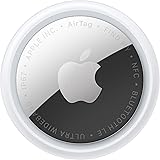
Apple AirTag (2nd Generation): Tracker for Keychain, Wallet, and More; Locator with Sound; Simple One-Tap Setup with iPhone or iPad; Key Finder with up to 1.5X Precision Finding Range
$24.00 (as of October 11, 2026 03:20 GMT +00:00 - More infoProduct prices and availability are accurate as of the date/time indicated and are subject to change. Any price and availability information displayed on [relevant Amazon Site(s), as applicable] at the time of purchase will apply to the purchase of this product.)












Post Comment