
Why Nearly Half of Homebuyers Getting Concessions Signals a Looming Market Crash No One’s Prepared For
Ever wonder why sellers suddenly seem more willing to drop the price, cover closing costs, or throw in those elusive rate buydowns? Well, you’re not hallucinating—this is no ordinary market shift. In fact, nearly half of home sales now include seller concessions, signaling a buyer’s paradise that hasn’t been seen in six years. But here’s the kicker: A Federal Reserve official openly says what many of us have been whispering—home prices must drop for affordability to improve. That’s a seismic shift for buyers and sellers alike. And if you thought that was all tight, wait until you hear about the mold drama wreaking havoc in multifamily investments, causing lawsuits to spike and renters to prepare for some unexpected paydays. So, how do you turn these challenges into opportunities without getting stuck behind the fridge hunting for that black mold? Dive in and discover how to navigate concessions, negotiate cleverly, and spot the real deals that others overlook in today’s evolving real estate landscape. Ready to get the upper hand? LEARN MORE
A Fed official says what we’re all thinking: home prices must drop—and sellers seem to have gotten the message. Per a recent Redfin report, 44.7% of home sales included seller concessions such as price cuts, rate buydowns, covering closing costs, or even renovations, repairs, and expensive layout changes. So, if you’re a buyer, how do you get the most from your seller on the next deal?
We’re back with this week’s headlines! We’ve brought good news for buyers, scary news for sellers, and strange-smelling stories about multifamily investors. Seller desperation is peaking as concessions offer buyers the biggest opportunity in six years. Even the Fed is taking note, as one official warns about home affordability and why prices need to drop to make progress.
Now, what the heck is that black stuff behind the fridge? That’s the question multifamily investors are asking themselves as mold-based litigation ramps up and renters prepare to get paydays thanks to some severe spores. If you own a home in the Northwest, the South, or anywhere else that gets humid, here is what you should do to avoid a pricey repair.
Listen to the Podcast Here
Read the Transcript Here
Dave:
The headline can tell you what happened in the housing market, but it rarely tells you what you should do next. Before you change your strategy based on some recent news, you need to know where the story actually applies, what’s driving it, and whether it holds up against what you’re seeing locally. So today on this episode of On the Market, every one of our panelists has brought a different story to the table. We’ll challenge the easy takeaways, we’ll look at the possible implications for investors, and identify the questions you should ask yourself before making your next move. I’m Dave Meyer. This is On the Market. Let’s get to it. Kathy and James, what’s up guys? Good to see you. Thanks for being here.
James:
Good to see you guys.
Kathy:
Good to see you too.
Dave:
I know we say this every week, but man, it feels like things are insane right now. Just like the speed of information.
Kathy:
Are we going to be depressing?
Dave:
No, I have good news. I brought a good news story. I know I’m always the downer around here, so I have a good news story.
Kathy:
Oh, I have a bad news one.
Dave:
James, what’s yours? Good news, bad news, medium news?
James:
It’s half glass full, half glass empty.
Dave:
Then I’m going to go first, then James, we’ll slowly depress you throughout the course of the episode. We’ll start happy. We’ll go to James and then Kathy, you could drag us all
Kathy:
Down at the end. Perfect. End it
Dave:
With tears. My headline for today is 45% of sellers are now offering concessions. This is the biggest opportunity buyers have had in six years. I don’t know, longer. I know there are flip sides to everything. James, my condolences on selling houses right now. It’s hard. I’m trying to sell house too. It’s not going great. But I just think this is hidden from the average person. I know investors see this stuff, but the average homeowner or first time investor, they go out and see the median home price is up. It’s up one and a half percent. It’s 429,000. Not really. If you actually look at what’s going on, the median home price right now is probably 410 because people are getting five, six, 7% discounts. And I think this is good news for buyers. I mean, I started in 2010. This is why I got started because you had so much leverage.
You could just name your price and walk away if you didn’t like it. And I feel like we’re getting back to that. And I know it comes with some scary headlines and some potentially falling prices, but man, this is good news for a buyer in my opinion.
Kathy:
Yeah, absolutely. It’s a buyer’s market, which means it’s time for the buyer and this is time to buy. And people often do the opposite. They buy in a seller’s market, they sell in a buyer’s market. That’s not how you make money. That’s
Dave:
Panic.
Kathy:
That’s panicking. Yes.
Dave:
Yeah, for sure. I totally agree with you, Kathy. So hopefully I brought you some good news today. But I was curious, I brought this story because I kind of wanted to ask you both, and I’m happy to share some things too, just to share how you get good concessions. Because I think people hear, oh, there’s concessions. But a lot of people, especially if they’re new, are not as familiar with negotiating with sellers because it’s been a long time since you could. So James, maybe you’ve negotiated what? 5,000 more, 10,000 deals? How do you go after concessions? And I guess I should even start at a higher level. Do you prefer to negotiate on price, on concessions, some combination of the both?
James:
I love grinding on a deal because there’s so many ways. And it’s not just about like, “Hey, I want it for cheaper.” It’s about how you present your case, just like anything. And so we go for price because we’re investors and we’re going for deeper discounts. I don’t know if anyone can buy my rate down on a hard money loan, but there’s so many different ways. There’s price and term. A lot of people think if you pay the least, it’s the best deal. No, that’s not the case at all. Sometimes if you pay more and the seller’s working with you on their interest rate, the cost. And so the first thing I always tell people is focus on what you’re trying to achieve and what you can afford. And then there’s numerous different ways to get there. Your number one concessions are going to be price first.
The second is what works for you best on concessions? Maybe you’re putting most of your down payment down and you don’t want to have to worry about any bills for five years and you ask for all the things in your inspection. Roof, maybe you have five years left, you want a new roof. It may need a new hot water tank and you go through and you really are covering your costs going forward. And actually that’s what I suggest for most buyers to do because those bills can really beat you up later. And the next is how do you get your monthly payment down, which is going to be what can they buy your rate down in closing costs? We just did this. We had the property listed for 700. We actually sold it for 720, but we’re paying $20,000 in closing costs because it got her rate at the time into 6.3 or 6.4% because the rates were lower when she made this offer.
Dave:
So she basically was flexible on price, but she wanted a lower monthly carry.
James:
Yeah. And that’s what you want to communicate. Where people make the mistake is they just fire in offers. Talk to the broker. What’s the seller’s hot button? What are they willing to do? Are they willing to wait for a longer close? Can you get a better loan? That conversation is what you want your broker to do or your negotiator to do because then they can bring you back all the different options and you can run them on all three scenarios. Is price the best strategy? Is getting all the deferred maintenance covered? Is it interest rate or is it all three? And depending on what that seller says, you might be able to get all three.
Dave:
That’s great advice. Kathy, anything to add there?
Kathy:
I mean, that is it. If I’m buying an older home, I will do every possible inspection, not just the general inspection, get all of them and then get the pricing on what it’s going to cost to fix those things that come up in those inspection reports and present it. It’s like you’ve got those 10 days to be able to do your due diligence or whatever you negotiate in that timeframe, the due diligence period. But usually I do it on the last day like, “Hey, we would love to buy this, but this is what it’s going to cost us. We need this kind of discount.” And by then they’re already so happy to be in contract and just be done with it that it’s like, okay, that makes sense. This makes sense. Someone’s got to pay it. They might come back and say, well, let’s split it or whatever, but you got to go in as an investor knowing this is the max I can pay and they’ll take it or they’ll leave it.
This is the time you negotiate everything. They’ll say yes or they’ll say no, but they might be just like, “You know what? I want to be done with it too. If I keep it, I got to fix these things anyway, so I’ll just let them fix it and I’ll slash the price.”
Dave:
Well, I like that, Kathy, because just so everyone knows, concessions, there are limits depending on who you’re borrowing from, how much of the purchase price you can accept in concessions. So you can’t just get 30% of the purchase price in concessions. It depends on the type of mortgage, conventional, FHI, VA. They all have different rules. What the hell? Boom. What’s going on here?
Kathy:
Howdy.
Dave:
What is going on? Henry is crashing our party right now. All right. Well, Henry, you need to answer the question. Best way to get a concession out of a seller right now.
Henry:
Best way to get a concession out of a seller right now? Yeah. Ask them.
Dave:
That’s basically what Tim said. Talk to them.
Henry:
Literally ask them and most of them will say yes right now.
Dave:
Yeah. Well, there we go.
James:
Actually, I do have one story on concessions real quick. There’s a different way you can do it too. So I’ve had property that’s really expensive right now. Great home. It will sell. Got buyers on the hook and the concessions that we’re negotiating right now, no interest rate buydown, no price change, nothing comes off the net, but they want a bunch of customizations done for the floor plan. I’m literally going to move the kitchen for them.
Dave:
Whoa. How much is that going to cost you?
James:
It’s about $70,000 worth of work, but this is a house where the next price cut would be a hundred grand.
Kathy:
Oh, wow.
James:
Okay. So ask whatever you want and see how you can bridge it. And as a seller, ask what can I do for the buyer to get them to write it up? And they thought that was a non-option, but we had a two and a half meeting. We marked it all out and I’m hoping by this weekend we’re mutual and I’m ripping the house back out.
Dave:
Oh, so that kind of reminds me of the point I was trying to make when Henry so rudely interrupted us, is that there are limits to how much concessions people can offer based on your loan, but things like what James are talking about, when the seller actually fixes the house, that does not count towards that limit. And so it is something that you can negotiate in addition to cash back at closing or covering closing costs or buying down rates that does not bump up against some of those financial limits. So that’s definitely a great strategy. All right, Henry, we decided just, you don’t have to bring a story. I had a happy story. James had a medium one. Kathy had a depressing story, so we’re slowly depressing people over the course of the episode. So James has a medium story for us, but we got to take a quick break.
We’ll be right back. Welcome back to On the Market. I’m here with James, Catherine and now Henry, bonus Henry episode. James, tell us a story. And Henry, you have to answer all the questions now. Kathy and I are just going to relax.
Henry:
I got you. I got you.
James:
So the article that I have is from, it’s realtor.com. It’s Fed official sounds warning on housing as affordability hits a 21 year low. The reason this article I think is so important is because we’re always trying to forecast down what do we do next? Whether it’s with the assets we have, the inventory we have, or what are we going to buy? How do we want to buy? What’s our buy price? What do we see? And our good friend here, Michael Barr, he’s predicting that things are not going to get more affordable, but the only thing that really is going to bring down affordability is price. It’s not going to be rate.
Dave:
That’s right. That’s correct.
James:
And right now, since 2000, prices are up 70% and incomes are only up 17%. And that’s the major issue and we might be time for a moment of truth with some pricing correction.
Dave:
I think that’s right.
James:
The Fed is signaling to us that we might see more rate hikes on the future and that if we think that rates are going to go much further down, they’re going to fluctuate a little bit here, but we shouldn’t… I think at the beginning of the year I was predicting they were going to be in the low sixes going into December, and that is not the case or it doesn’t appear to be.
Dave:
So what was the positive side of this story?
James:
What this tells me though is the money I’m losing today, I can make up if I buy right and I think there’s going to be plenty of deals. So as a buyer, I’m happy with this. As a seller, I’m not happy with this. But also as a seller, it tells me, “Hey, this isn’t going to get better, so I need to plan to sell now or refinance and keep.” You have to make that decision. Don’t get stuck in the middle going, “Man, I just hope it gets better.” It’s not going to. It may not get that much worse than, at least it depends on the market. I think Seattle’s gotten pretty hammered. I don’t know if it’s going to get that much worse, but it’s not going to get any better. I do know that. The other thing is I feel like the Fed’s actually being kind of fiscally responsible and this could help the bond markets.
Dave:
I agree. I do think it’s good in the long run. It’s definitely good in the long run. I was just going to say, James, the whole thing about affordability, it’s like this isn’t just housing. This is just human and American households. Affordability is too low. Something has to change. It can’t have this level of low affordability across everything. Assets are expensive. Insurance is expensive. Gas is expensive. Groceries are expensive. It has to get under control. There’s no easy button to get things moving again. And it’s going to be a while, in my opinion. There’s no off-ramp here that is quick. In the past, when inflation’s high like this, it can take years. Well, inflation was going down before the war in Iran. They were sort of winning that battle and now that’s reversed, but that war doesn’t seem like it’s ending anytime soon. And so it’s just going to be here for a while and people should plan accordingly.
Henry:
Two things I’m thinking about through all this turmoil and chaos is one, how do I prepare myself so that I can buy opportunities that come and hold them through the tough time? Because there are great opportunities and we’ve all seen cycles and the people who come out the winners in the cycles are the ones who found a way to buy when everybody said things were crazy. The people who were buying in 2009 and 2010, people though they were crazy, they made crap tons of money, right? Totally. So can you find a way to buy right now and hold through the downtime? And then can you find a way to transact and continue to produce income? What we’re finding is if a property is less expensive right now, it’s selling fast. Not only is it selling, but it’s selling quickly. Condition isn’t as important as an affordable price in the market that I’m in right now.
So go talk to your real estate agent and research what is selling. Who’s buying it? How frequently are they buying it? How long is it taking to sell? You just got to do a little more research right now and be super conservative and be ready to buy.
Dave:
I also just think, I’ve said this before, but the quality of assets that are going on sale is better.
Henry:
Yes.
Dave:
I’ve seen multifamily that would’ve never touched the MLS lingering on the MLS for a while. All stuff that would’ve been off market, pocket listing, sold for a lot of money. A location stuff was trading at a four cap off market. Now it’s like, that’s just lingering? Kind of like that. I also personally just think multifamily is going to recover faster than residential. Residential won’t take the hit that multifamily has hit, but that’s why I think multifamily is a better opportunity potentially in the next few years because everyone’s scared of it. Prices have already corrected 20%, some markets more. And when you start at a lower basis, the recovery is just better. It has more room to grow. So anyway, that’s kind of what I’m getting more personally interested in.
Kathy:
Well, the thing about multifamily is it is simply numbers. With housing, there’s a little bit more emotion involved. People are buying their home to live in. With multifamily as an investor, you’re buying it because you’re looking at numbers, period. Or you should be anyway, you should be emotionally attached to it. So anytime you have inflation and costs are going up, you better see incomes going up at the same time or else the value’s coming down, period. Because the way you judge the value of a multifamily property is income versus expenses. That’s it. There’s nothing more to it. So if expenses are going up and incomes aren’t going up, the price is coming down. And unfortunately, a lot of owners of multifamily are emotionally attached and not looking at, it’s just math. So hopefully the sellers will eventually, they’ll have to come to terms with the fact that it’s not that they’re discounting the property, they’re just coming in at the price the property is worth today.
There’s a difference. It’s not discounted.
Dave:
That’s a good point.
Kathy:
It’s maybe lower than what they paid, but this is just, it’s what it’s worth. Yeah, that’s right. Period. There’s no arguing numbers. You can’t argue it. I
Dave:
Also just add, this is nerdy, but a rising treasury yield competes directly with multifamily and commercial real estate.
Kathy:
That’s
Dave:
Right. Because as Kathy said, it’s just math. You’re buying an income stream. And so if you can get a 5.2% yield on a 10-year US treasury with virtually no risk, would you take a multifamily deal that’s only getting you five and a half or 6% cash on cash return? No.
Kathy:
No, you better not.
Dave:
So I think this is a fresh, big competition for commercial that’s going to push down values even more. And I don’t want anyone to lose their shirt, but commercial real estate is cyclical. It goes through these boom and bust cycles. It’s part of the business. The people who are in this business understand that. And I think we’re probably in the next year or two going to be in the good part of that cycle to start buying. All right, so that’s our second story. We have one more coming from Kathy, which is apparently depressing, but stick around. Stick around for the depressing part, okay? We’ll make it fun somehow. We’ll still make it funny. We’ll be right back. Welcome back to On the Market. I’m Dave Meyer here with Kathy, Henry, and James. We’ve so far talked about concessions. We’ve talked about what’s going on with rates.
Kathy, what do you got for us?
Kathy:
Well, we were talking about multifamily, so let’s keep talking about it. This is an article from BizNow. The subject line is, “Mold is growing into major problem for apartment owners.” Mold? Mold, as if apartment owners don’t have enough to deal with.
Dave:
James loves mold.
James:
Sounds like a deal.
Kathy:
So the article goes on to say that lawsuits against multifamily landlords over mold and habitability are on the rise and significantly. And the article kind of goes on to say it’s partly due to all these rising expenses, so there’s not enough money left for maintenance, for general maintenance. So some of that deferred maintenance is building up, which is just like, oh, these owners are getting so hammered, it’s hard to watch. But also what I hated about this article is that, let me see if I can find this quote. It’s really, the issue has emerged over the past five years now. It’s not like maybe the mold has changed so much in five years, but what did change is the litigation around it. And there’s literally a quote, “Southern California attorney told Bisnow that his firm began focusing on mold litigation during the pandemic when fewer people were driving and its auto accident business slowed down.” Ever since COVID, this has become now in the spotlight.
So you do need to be just so careful. I owned an apartment you guys once with mold and it was painful. It was painful and expensive. So I know James loves mold, but maybe if you’re buying and negotiating, but not if you’re owning, it’s very hard. I’m curious, James, what do you do with mold?
James:
We buy cheaper, and so we can afford to rip everything out.
Kathy:
Just rip it all out.
James:
I mean, that’s why I like heavy value add, because some properties, especially in the ’80s, the ’80s have a lot of, after the high inflation, you got kind of cheaper energy code, the insulation, the windows, the siding, they sweat a lot more than a lot of houses, at least from my experience. Those are the harder ones because you’re not ripping them all the way out. Luckily, the homes, the properties that we’re buying that have a lot of mold, major mold, we’re taking them all the way down to studs and a lot of the wood’s being replaced. We kill as primer it, we bleach it, and then you can snap an air quality test, but you just want to cover yourself, but you got to take care of it or it keeps going and it keeps running. And the best thing you can do as a buyer, if you don’t have that experience in construction, hire a mold remediation company.
We’ve been talking a lot about sellers giving concessions. Well, they’ll concede and pay that bill to make sure it’s done by a licensed and bonding company.
Dave:
That’s great advice.
Kathy:
Well, if you are not a buyer and you are an owner, make sure that you are checking your homes, your properties to make sure there is not water intrusion, get those regular property inspections. I’m guessing there might be, because people are cutting back on budget, they’re not doing those inspections as often as they should be because they don’t want to know what they have to pay.
Henry:
If you’ve got a sizable portfolio in a lot of areas, I know there’s a couple companies out here that do it, but there is companies who literally specialize in just preventative maintenance. They’ll go to all your properties and do checks like this on a regular basis so that you can have some peace of mind.
Kathy:
Yeah. And also for your tenants, I mean, it’s a serious issue. If it’s bad mold, it can really cause serious health problems. You want to stay on top of it.
Dave:
I feel like it’s really regional. Northwest, big problem. My property’s in Colorado, I’ve never even heard the word mold. It’s so
Kathy:
Hot.
Dave:
I’m sure it’s in Utah. It’s just so dry. You don’t really have to deal with it. I’m sure in the South, Henry, it’s pretty –
Henry:
No, it’s moist.
Dave:
Everything’s just fumid there. I feel like it’s just always kind of moist.
Henry:
Moist, yes. It’s just a little damp. Everything’s a little damp.
James:
As a landlord, stay in front of your repairs to prevent this. I had something happen at one of my single families and I went out there and they’re like, “Yeah, there’s a little bit of moisture building up.” And I’m like, “What? We just had tenants in here. I just cleaned it up.” And I went out there and it turns out randomly seven windows failed for whatever reason. Whoa. And there’s so many different ways I could have tried to fix that, but at the end of the day, I didn’t want to spend the money, but I just replaced all the windows in that house. As the tenants were in, I gave them one free month’s rent because we had to do that process. And so it sucks. Sometimes you got to pay the bill, but you got to take care of your tenants.
Kathy:
Oh yeah, absolutely.
Dave:
Absolutely. And it makes you money over the wrong thing. It’s the right thing to do, but it’s also, it’s better for everyone long-term. It’s ridiculous not to. But Kathy, I don’t think this is… I feel bad for the current owners, but another reason, multifamily’s going to be on sale for the next couple years. We’re going to have a long sale on multifamily and it’s going to be a good opportunity because to Kathy’s point, unlike the residential market, the recovery won’t be emotional either. When the math starts making sense, if you buy in, the recovery will grow. It’s not all about personal finance. There’s a lot of institutional capital here. I think it’s something to keep an eye on. I invest a lot in multifamily through syndications, but I’m pretty seriously considering buying just straight up owning and operating my own in the near future because I think it’s just a great way to secure retirement.
I’m not even in it for the cycle. If you think, can I buy a 12 or 15 unit, pay it off in a couple years, and that could be all of your income for your retirement.That’s an opportunity to keep an eye out for the next few years.
Henry:
Yeah.
Dave:
All right. Well, that’s our show. Thank you guys so much for being here. Henry, thanks for the surprise visit. And thank you all so much for listening to this episode of On the Market. We’ll see y’all next time.
Watch the Episode Here
Help Us Out!
Help us reach new listeners on iTunes by leaving us a rating and review! It takes just 30 seconds and instructions can be found here. Thanks! We really appreciate it!
In This Episode We Cover
- The rise in seller concessions and how to unlock price cuts, lower mortgage rates, or covered closing costs
- The $70K concession James is making to literally rearrange a floor plan to sell a house
- A Fed official’s warning on home prices and why they may still be too high
- The deals popping up and sitting on the market that could be solid rentals
- A major mold problem: Why you should check your rental ASAP (before a lawyer gets involved)
- And So Much More!
Links from the Show
Interested in learning more about today’s sponsors or becoming a BiggerPockets partner yourself? Email [email protected].

Petcarex Dog Dental Powder, Dog Teeth Cleaning Breath Freshener | Pet Tartar and Plaque Remover for Teeth, Tooth Cleaning Powder with Probiotics for Dogs of All Breeds, Duck Flavor
$21.99 (as of October 13, 2026 03:21 GMT +00:00 - More infoProduct prices and availability are accurate as of the date/time indicated and are subject to change. Any price and availability information displayed on [relevant Amazon Site(s), as applicable] at the time of purchase will apply to the purchase of this product.)
Purina Friskies Gravy Swirlers Dry Cat Food, Chicken & Salmon, 3.15 lb Bag | Protein-packed cat food kibble with swirls of delicious gravy baked in, supports immune and heart health
$5.24 (as of October 13, 2026 03:11 GMT +00:00 - More infoProduct prices and availability are accurate as of the date/time indicated and are subject to change. Any price and availability information displayed on [relevant Amazon Site(s), as applicable] at the time of purchase will apply to the purchase of this product.)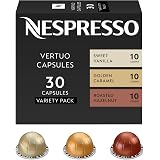
Nespresso Vertuo, Barista Flavored Pack, Medium Roast, 30-Count Coffee Pods | Medium-Roast Coffee Capsules, Caramel, roasted hazelnut and sweet vanilla flavors
$42.00 (as of October 13, 2026 03:09 GMT +00:00 - More infoProduct prices and availability are accurate as of the date/time indicated and are subject to change. Any price and availability information displayed on [relevant Amazon Site(s), as applicable] at the time of purchase will apply to the purchase of this product.)
Monster Energy Zero Ultra, Sugar Free Energy Drink, 16 Ounce | Pack of 15
$26.98 (as of October 13, 2026 03:09 GMT +00:00 - More infoProduct prices and availability are accurate as of the date/time indicated and are subject to change. Any price and availability information displayed on [relevant Amazon Site(s), as applicable] at the time of purchase will apply to the purchase of this product.)












Post Comment