Ochratoxin Uncovered: The Silent Threat Lurking in Your Food and What It Means for Your Health
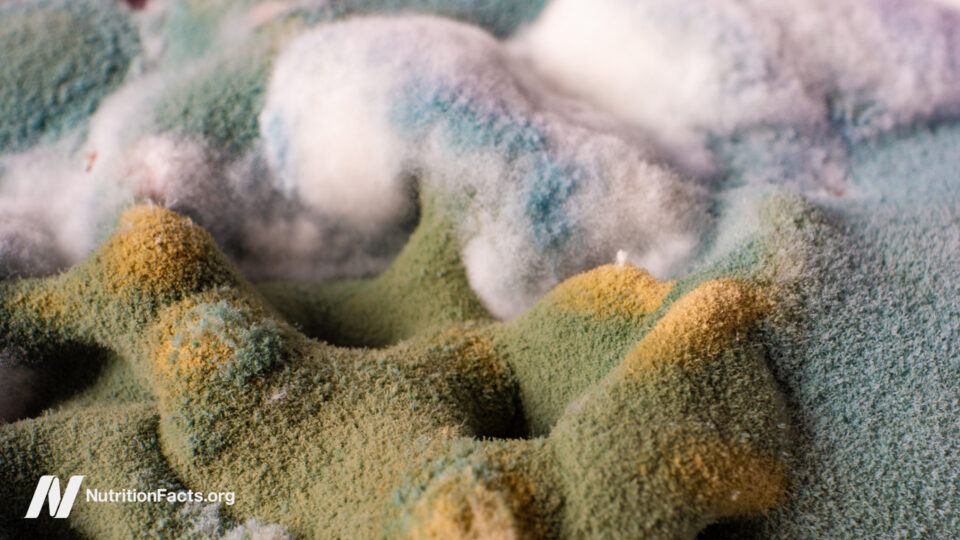
When it comes to mycotoxins, not all foods are created equal—and, honestly, the question isn’t just whether these toxins are lurking in your grub, but rather how their risk stacks up depending on what you’re munching on. Take ochratoxin, for instance: sure, it’s been flagged as potentially harmful in animal studies—damaging kidneys, messing with the immune system, and even waving a carcinogenic warning flag—but in humans? The evidence is, well, embarrassingly thin. So thin that it’s only tentatively labeled a “possible” carcinogen. Meanwhile, Big Agriculture insists that the trace amounts found in our food supply—even in stuff like oat cereals that kids chow down on—pose negligible cancer risks, even if you were to literally inhale forty-two cups of oatmeal a day. Sounds oddly specific, right? These safety margins come from some pretty hefty animal testing math, dividing harmful doses by hundreds or thousands to play it safe—but with no one willing to eat buckets of toxins on purpose, isn’t following actual human diet patterns over years a smarter move? Strangely enough, folks who gobble up more whole grains tend to live longer and avoid cancer more often. Crazy how that works. Could it be that the benefits of whole grains far outweigh the risks, and that a healthy diet, packed with antioxidants from fruits and veggies, might even shield us from these sneaky toxins? Let’s dig into what the science really says about ochratoxin’s real-world impact—and why some foods are more culpable than others. LEARN MORE
The overall cost-benefit ratio for mycotoxins depends on which food is contaminated.
Ochratoxin has been described as toxic to the immune system, developing fetus, kidneys, and nervous system, as well as being carcinogenic, but that is in animal studies. Ochratoxin “causes kidney toxicity in certain animal species, but there is little documented evidence of adverse effects in humans.” That’s why it’s only considered a possible human carcinogen.
Big Ag assures that current ochratoxin levels are safe, even among those who eat a lot of contaminated foods. The worst-case scenario may be young children eating a lot of oat-based cereals, but, even then, “their lifetime cancer risk is negligible.” Individuals arguing against regulatory standards suggest we can eat more than 42 cups of oatmeal a day and not worry about it. Where do they get these kinds of estimates?
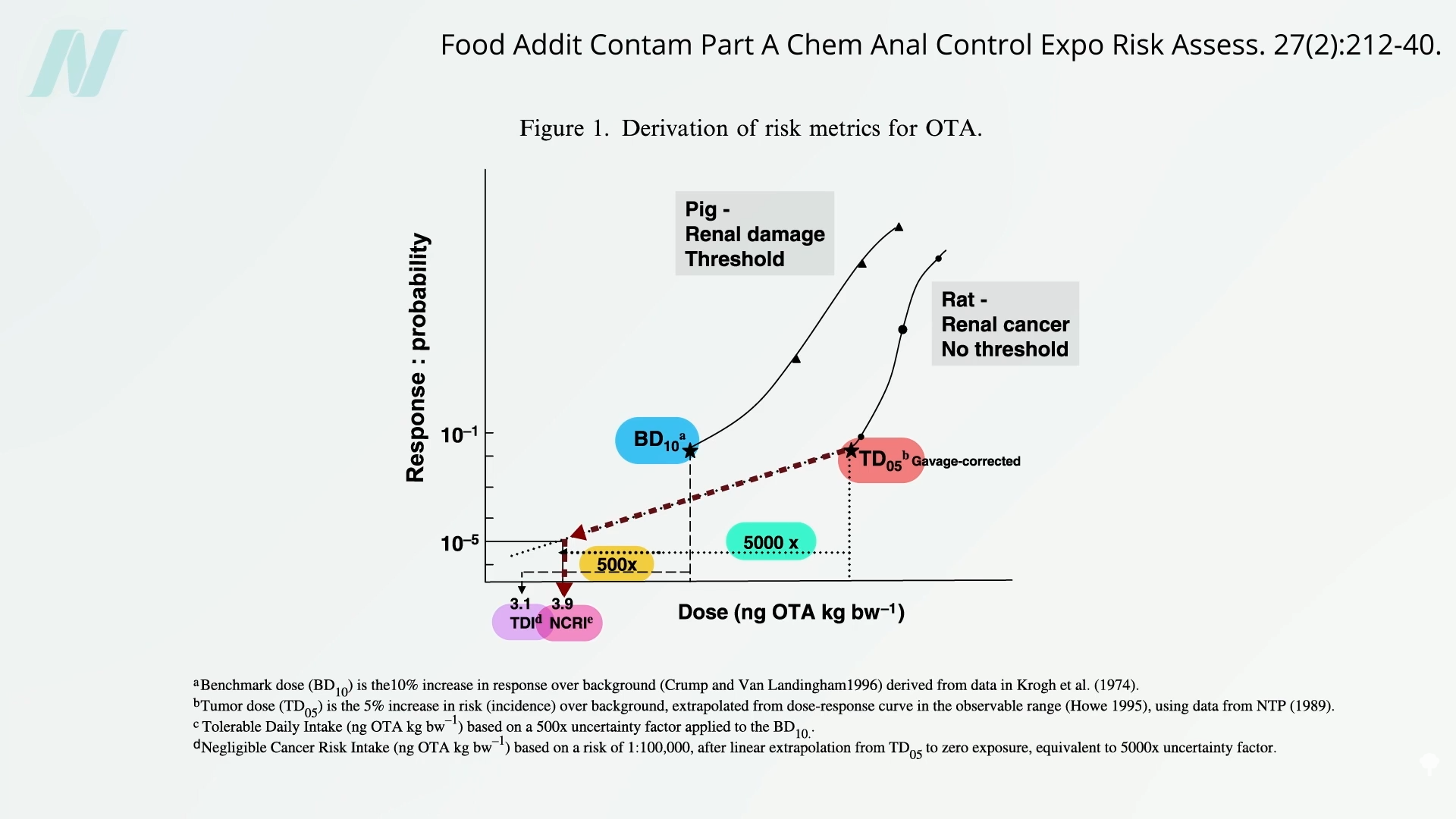
They determine the so-called benchmark dose in animals—the dose of the toxin that gives a 10% increase in pathology—then, because one would want to err on the side of caution, divide that dose by 500 as a kind of safety fudge factor to develop the tolerable daily intake. For cancer risk, you can find the tumor dose—the dose that increases tumor incidence in lab animals by 5%—and extrapolate down to the ”negligible cancer risk intake,” effectively incorporating a 5,000-fold safety factor, as seen below and at 1:28 in my video Should We Be Concerned About the Effects of Ochratoxin?.
It seems kind of arbitrary, right? But what else are you going to do? You can’t just intentionally feed people the stuff and see what happens—but people eat it regularly. Can we just follow people and their diets over time and see if those who eat more whole grains, like oats, for example, are more likely to have cancer or live shorter lives?
What is the association between whole grain intake and all-cause, cardiovascular, and cancer mortality? Every additional ounce of whole grains eaten a day is associated with not only a lower risk for cancer mortality but also a lower risk of dying from all causes put together. Below and at 2:05 in my video are findings from all the big cancer studies. Every single one trended towards lower cancer risk.
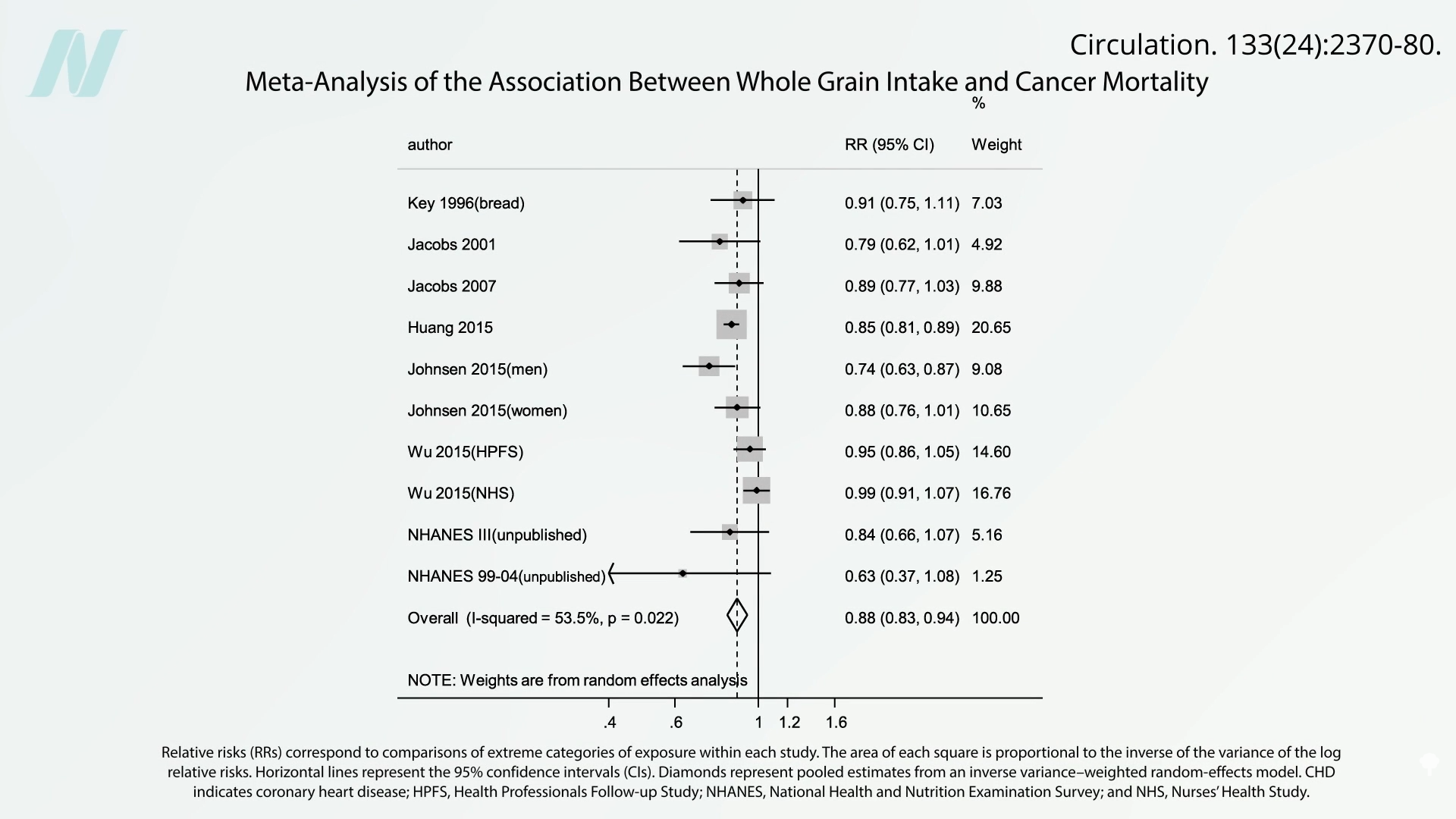
The bottom line is that you don’t find adverse effects confirmed in these population studies. This is not to say ochratoxin is necessarily harmless, but “any such risk does not outweigh the known benefits of wholegrain consumption.” In fact, healthy constituents of the whole grains themselves, like their antioxidants, may directly reduce the impacts of mycotoxins by protecting cells from damage. So, eating lots of fruits and vegetables may also help. Either way, “an overall healthy diet can play a significant role in mitigating the risk of contaminants in grain.”
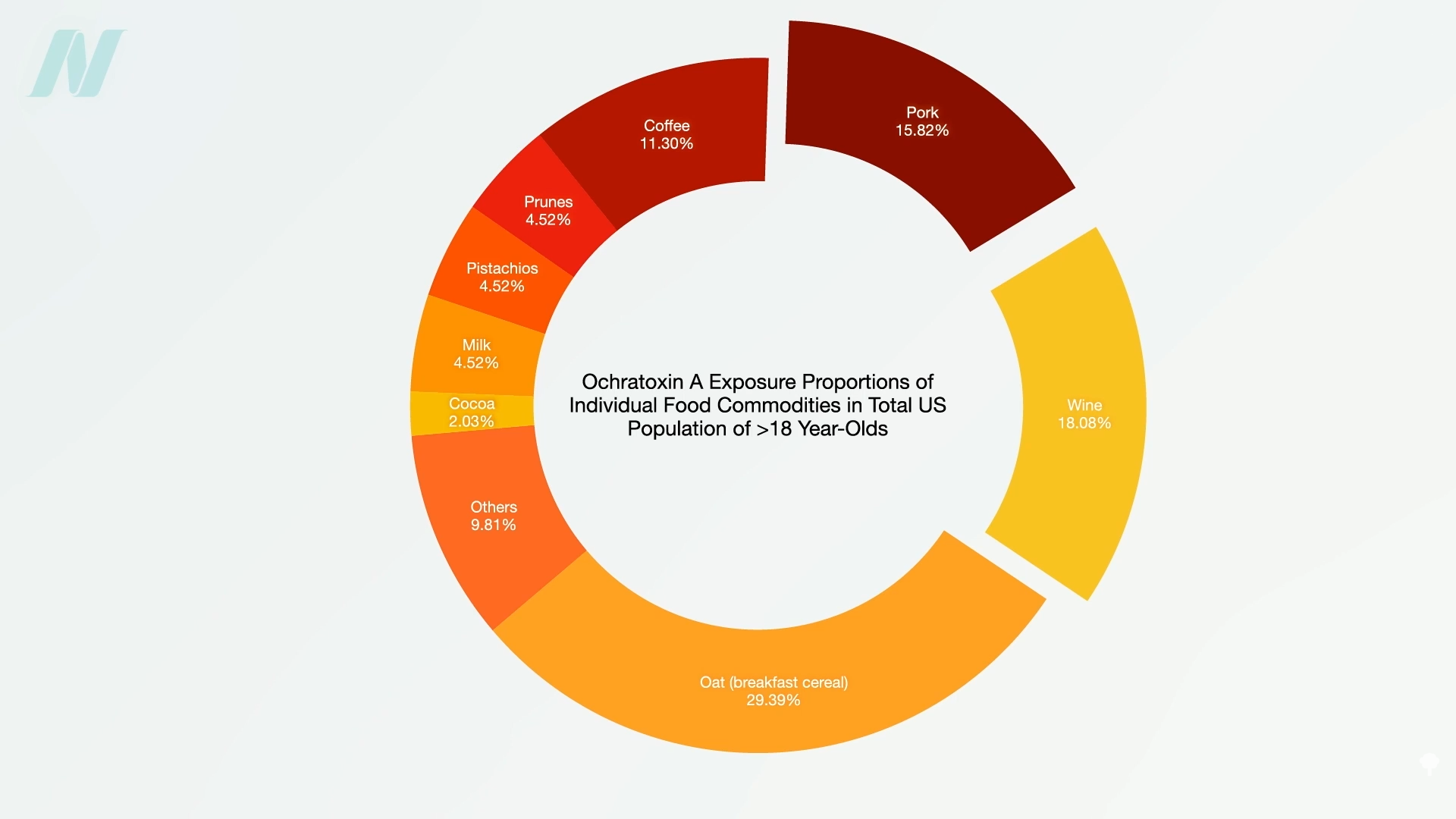
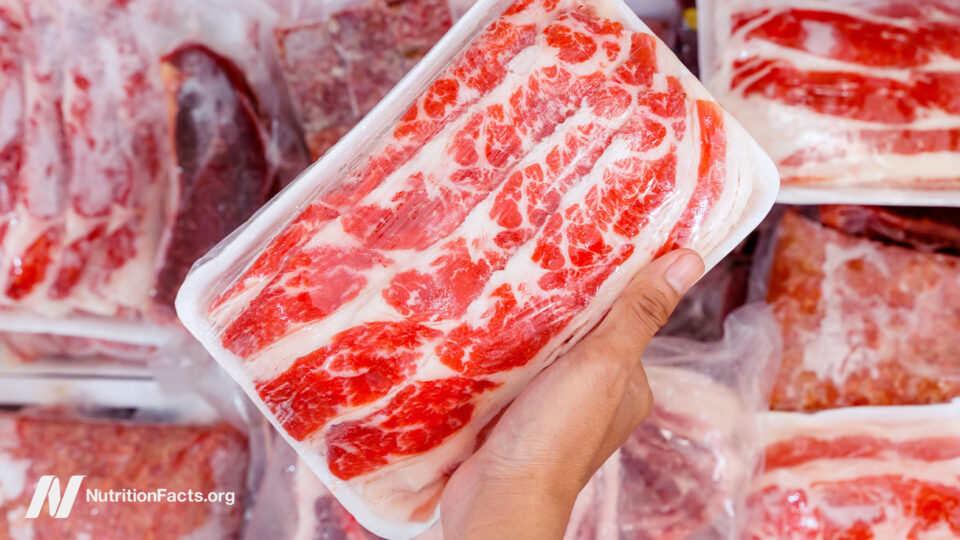
In summary, healthy foods like whole grains are good, but just not as good as they could be because of ochratoxin, whereas less healthful foods, like wine and pork, are worse because of the mycotoxin, as shown below and at 2:52 in my video. Ochratoxin was detected, for example, in 44% of tested pork.
Doctor’s Note
This is the third video in a four-part series on mold toxins. If you missed the first two, see Ochratoxin in Breakfast Cereals and Friday Favorites: Ochratoxin and Breakfast Cereals, Herbs, Spices, and Wine.
Should We Be Concerned About Aflatoxin? is coming up next.
Unique Style Paws Dog Collar With Metal Buckle - Red Rose Flower Gift for Small, Medium, Large Boys Girls Dogs - Durable and Cute
$8.99 (as of September 20, 2026 03:10 GMT +00:00 - More infoProduct prices and availability are accurate as of the date/time indicated and are subject to change. Any price and availability information displayed on [relevant Amazon Site(s), as applicable] at the time of purchase will apply to the purchase of this product.)
Milk-Bone MaroSnacks Small Dog Treats with Real Bone Marrow, 40 Oz. | Dog treats with 12% protein
$11.48 (as of September 20, 2026 03:04 GMT +00:00 - More infoProduct prices and availability are accurate as of the date/time indicated and are subject to change. Any price and availability information displayed on [relevant Amazon Site(s), as applicable] at the time of purchase will apply to the purchase of this product.)
Earth Rated Dog Poop Bags on Refill Rolls, 270 Bags, Lavender | Guaranteed Leak Proof and Extra Thick Waste Bag Refill Rolls
$14.99 (as of September 20, 2026 03:04 GMT +00:00 - More infoProduct prices and availability are accurate as of the date/time indicated and are subject to change. Any price and availability information displayed on [relevant Amazon Site(s), as applicable] at the time of purchase will apply to the purchase of this product.)
INSIGNIA 50" Class F50 Series LED 4K UHD Smart Fire TV, Voice Remote with Alexa, Stream Live TV Without Cable
$179.99 (as of September 20, 2026 03:29 GMT +00:00 - More infoProduct prices and availability are accurate as of the date/time indicated and are subject to change. Any price and availability information displayed on [relevant Amazon Site(s), as applicable] at the time of purchase will apply to the purchase of this product.)










Post Comment