Is Our Digital World Healing Minds—or Quietly Feeding Loneliness?

Ever notice how we’re glued to our screens like bees to honey, yet with all this nonstop connection, loneliness seems to be creeping up on us like an uninvited guest? It’s wild—here we are, surrounded by a digital noise machine always buzzing in our pockets, and still, people feel more isolated than ever. Makes you wonder: is our social media frenzy actually weaving a tighter community, or are we just scrolling our way into deeper emotional ruts? I’ve seen it firsthand—likes piling up but meaningful bonds slipping away—and believe me, it’s not just you. The trick isn’t ditching our devices but learning to use them without letting them use us. Curious how this digital paradox unfolds and what we can do to flip the script? LEARN MORE
We’ve never been more connected—and yet loneliness is quietly becoming one of the defining mental health challenges of our time.
In the digital age, connection is constant, immediate, and algorithmically optimized. But beneath the endless scroll lies a growing question: is all this connectivity actually bringing us closer, or pushing us further apart?

The Illusion of Connection
Social platforms promise belonging, validation, and community. In practice, they often deliver comparison, overstimulation, and emotional distance. Carefully curated lives replace real conversations, and engagement metrics masquerade as meaningful interaction.
According to guidance from the World Health Organization, social isolation and poor mental health are increasingly linked—especially among younger demographics navigating identity and self-worth online. The paradox is clear: being digitally surrounded doesn’t necessarily mean being emotionally supported.
Dopamine, Design, and Dependency
Social media platforms are engineered around dopamine feedback loops—likes, comments, shares, notifications—each one a micro-reward. Over time, this conditions the brain to crave stimulation, making stillness, boredom, and even real-world intimacy feel less satisfying.
The result? Heightened anxiety, reduced attention spans, and a growing sense of emotional numbness. When validation becomes externalized, self-regulation erodes.

Reclaiming Balance in a Hyperconnected World
The solution isn’t digital abstinence—it’s intentional use.
Modern coping strategies emphasize boundaries: screen-free mornings, notification discipline, and conscious consumption. Practices like mindfulness, therapy, and physical activity help recalibrate the nervous system, while prioritizing face-to-face relationships restores emotional grounding.
True connection isn’t measured in followers. It’s measured in presence.

blink plus plan with monthly auto-renewal
$11.99 (as of September 14, 2026 03:11 GMT +00:00 - More infoProduct prices and availability are accurate as of the date/time indicated and are subject to change. Any price and availability information displayed on [relevant Amazon Site(s), as applicable] at the time of purchase will apply to the purchase of this product.)
CELSIUS PEACH VIBE Sparkling White Peach, Sugar Free Energy Drink, 12 Fl Oz (Pack of 12)
$19.98 (as of September 14, 2026 03:03 GMT +00:00 - More infoProduct prices and availability are accurate as of the date/time indicated and are subject to change. Any price and availability information displayed on [relevant Amazon Site(s), as applicable] at the time of purchase will apply to the purchase of this product.)
Smiry Dog Door Mat for Muddy Paws, Absorbent Non Slip Dirt Trapper, 30x20 | Grey and Black, Quick Dry Washable Chenille Mat for Mud Dogs, Entry Rug for Indoor and Outdoor
$9.99 (as of September 14, 2026 03:09 GMT +00:00 - More infoProduct prices and availability are accurate as of the date/time indicated and are subject to change. Any price and availability information displayed on [relevant Amazon Site(s), as applicable] at the time of purchase will apply to the purchase of this product.)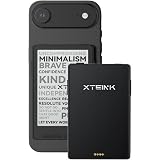
XTEINK X3 3.7" Pocket E-Ink eBook Reader, Space Black | Ultra-thin 0.2" design with magnetic pogo-pin charging, gyroscope page-turn, 16GB storage, and distraction-free reading
$69.00 (as of September 14, 2026 03:21 GMT +00:00 - More infoProduct prices and availability are accurate as of the date/time indicated and are subject to change. Any price and availability information displayed on [relevant Amazon Site(s), as applicable] at the time of purchase will apply to the purchase of this product.)














Post Comment