States With Voting Rights Acts Think They’re Safe—But Hidden Threats Could Undermine Their Progress Overnight
Ever wonder what happens when a legal titan like John Roberts decides to toss the Voting Rights Act (VRA) into a blender of constitutional gymnastics? Back in 2011, as Roberts was unveiling what some cynics called his “Day of Jubilee,” Illinois saw the VRA’s looming demise and smartly passed its own state-level version to keep the flame alive. But here’s the twist—like a relentless shadow, challenges have started knocking on Illinois’s door, threatening to unravel those protections crafted to empower minority voters. It’s almost like watching an epic saga where the hero’s own weapon becomes their Achilles’ heel. And with multiple states rushing to etch their own voting-rights acts into law, the question looming large is: can these regional statutes survive the storm that the Supreme Court’s latest rulings have unleashed? Buckle up, because this legal rollercoaster is far from over—and trust me, I’m already bracing for a long ride covering the fallout of this “Day of Jubilee.” LEARN MORE.
 2 min read
In 2011, as John Roberts was rolling out his Day of Jubilee, the state of Illinois saw the inevitable end of the VRA, so it passed its own state VRA. Smart play at the time. But as Kate Riga of Talking Points Memo points out, sooner or later, the Day of Jubilee comes to every door.
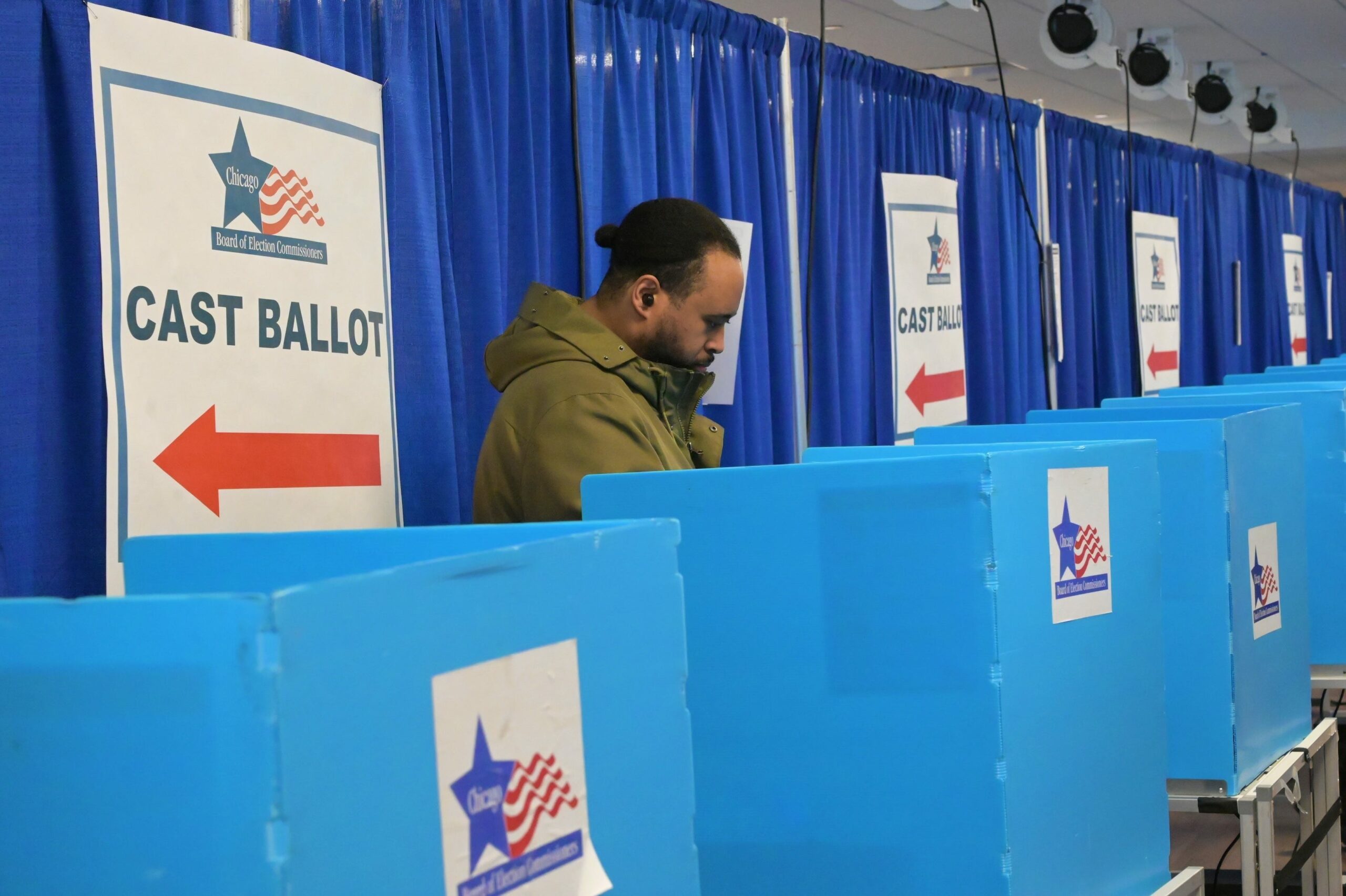
The Public Interest Legal Foundation, a group known for lawsuits aiming to purge voters from the rolls, has challenged Illinois’ VRA. Experts predicted to TPM that this would happen if the Supreme Court decided Callais on constitutional grounds.
“The Voting Rights Act forbids enforcing election procedures enacted with a racial intent or that results in a denial, or abridgment, of the right of any citizen of the United States to vote on account of race,” the complaint said. “The Illinois Voting Rights Act requires drawing district lines to preserve deliberate racial percentages, racial majorities, and the deliberate preservation of racial influence districts. This violates the Constitution and the Voting Rights Act.”
That last sentence is the turn of the knife beloved by Roberts, who has hunted the VRA in the Pequod of his mind ever since he walked out of law school. He has killed the VRA in order to save it.
Illinois’ law requires the creation of crossover districts (where minority groups have at least a chance of electing their preferred candidate with crossover support from members of the majority group), coalition districts (multiple minority groups voting the same way) and influence districts (where minority voters may not have enough power to elect their chosen candidate, but can influence the election). Expect a flood of these lawsuits targeting the parts of these state laws explicitly seeking to protect minority voters.
States’ rights? Bah, that’s so sixties. Right now, there are eight states that have enacted state voting-rights statutes. Michigan and New Jersey both have them working their way through the state legislature. Eight others have had them introduced in their state legislatures. These latter include Texas, Louisiana, Mississippi, Alabama, Georgia, and Florida. Yeah, good luck with that. And the eight states that already have voting-rights acts should be wary of that knock at the door.
God, I’m going to get tired covering the Day of Jubilee.

CuteBone Little Miss Sassy Pants Dog Leopard Print Dress Velvet for Small Dogs Girl Puppy Dresses Pink Dog Clothes
$13.99 (as of September 21, 2026 03:10 GMT +00:00 - More infoProduct prices and availability are accurate as of the date/time indicated and are subject to change. Any price and availability information displayed on [relevant Amazon Site(s), as applicable] at the time of purchase will apply to the purchase of this product.)
ARM & HAMMER Slide Platinum Easy Clean-Up Clumping Cat Litter, 34 lbs | 24/7 Odor Control, Triple-Action Freshness, Non-Stick, Low Tracking, Multi-Cat Formula, Scented, Online Only
$29.74 (as of September 21, 2026 03:10 GMT +00:00 - More infoProduct prices and availability are accurate as of the date/time indicated and are subject to change. Any price and availability information displayed on [relevant Amazon Site(s), as applicable] at the time of purchase will apply to the purchase of this product.)
Amazon Echo Show 5 (newest model), Smart display, Designed for Alexa+, 2x the bass and clearer sound, Charcoal
$99.99 (as of September 21, 2026 03:10 GMT +00:00 - More infoProduct prices and availability are accurate as of the date/time indicated and are subject to change. Any price and availability information displayed on [relevant Amazon Site(s), as applicable] at the time of purchase will apply to the purchase of this product.)
FlavCity Vanilla All in One Protein Shake Powder - On the Go Meal Alternative + Collagen Peptides, Reishi & Cordyceps - Focus, Skin, Hair & Joint Support - 100% Grass Fed Whey, 20 Servings
$59.98 (as of September 21, 2026 03:22 GMT +00:00 - More infoProduct prices and availability are accurate as of the date/time indicated and are subject to change. Any price and availability information displayed on [relevant Amazon Site(s), as applicable] at the time of purchase will apply to the purchase of this product.)













Post Comment