Unlock the Secret to a Clutter-Free Workout Space: 8 Dumbbell Racks Fitness Pros Swear By!
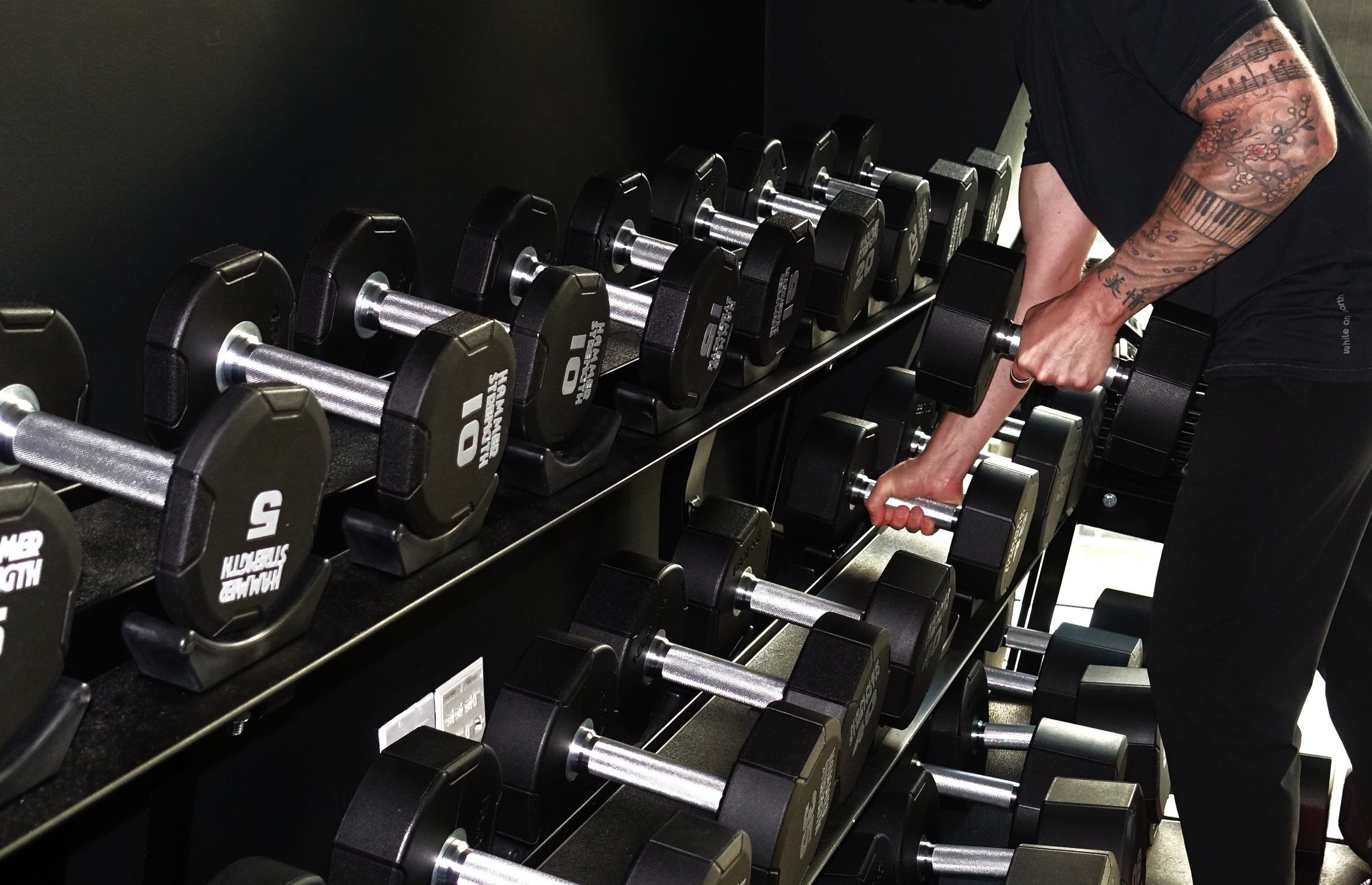
Ever stared at your cluttered garage gym and thought, “There’s gotta be a smarter way to stash all this gear without breaking the bank—or my back?” Trust me, I’ve been there—dumbbell racks can cost a fortune, and they don’t always flex to your needs. Enter industrial shelving: the unsung hero of home gym storage that packs a serious punch with versatility and budget-friendly smarts. Imagine a Husky steel unit that hoists up to 2,500 pounds, gives you deep shelves wide enough for everything from kettlebells to medicine balls, and doesn’t scream “gym” but rather “get down to business.” Sure, it might lack the neat slots of a fancy rack, but if functionality makes your heart race more than aesthetics, this might just be your new best buddy. Ready to rethink how you store your strength? LEARN MORE

If you’re trying to build out a home gym without overspending, industrial shelving is a smart workaround to traditional dumbbell racks. This Husky unit offers a high weight capacity, ample storage space, and far more versatility than most gym-specific options—all for around $200.
Built from steel, the unit supports up to 2,500 pounds across its four shelves, which is more than enough for most home gym setups. Each shelf is 24 inches deep, giving you plenty of room to store dumbbells, kettlebells, medicine balls, bands, and cable attachments side by side. If you’re working with a mixed collection of equipment, this kind of open storage can be more practical than a rack designed solely for dumbbells.
Assembly is straightforward, and once it’s set up, the unit can serve double duty for general storage if needed. That should appeal to guys who own garage gyms, where the space often needs to pull double duty.
The trade-off is organization. Unlike a dedicated rack, there are no saddles or designated slots to keep dumbbells neatly spaced, which can clutter the set-up over time. The industrial design also leans more garage than gym, so it may not match your ideal training vibe. (Hey, you’ve got to want to train in your home gym.)
Still, if your priority is function over form, this is one of the most cost-effective ways to store a full set of weights without sacrificing durability or capacity.
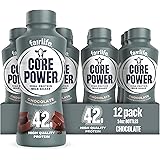
Core Power Elite High Protein Shake, Chocolate, 42g Bottle, 14oz, 12 Pack
$47.98 (as of September 15, 2026 03:03 GMT +00:00 - More infoProduct prices and availability are accurate as of the date/time indicated and are subject to change. Any price and availability information displayed on [relevant Amazon Site(s), as applicable] at the time of purchase will apply to the purchase of this product.)
Dog Allergy Relief Chews 170 Count Anti Itch Skin & Immune Support for Dogs | Itch Relief, Omega 3 Fish Oil, Probiotics, Hot Spots & Allergies, Paw Licking, Dry Skin & Coat Supplement, Beef Liver Flavor
$16.99 (as of September 15, 2026 03:09 GMT +00:00 - More infoProduct prices and availability are accurate as of the date/time indicated and are subject to change. Any price and availability information displayed on [relevant Amazon Site(s), as applicable] at the time of purchase will apply to the purchase of this product.)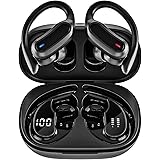
Wireless Earbuds Bluetooth Headphones, 54H Playtime Stereo Over Ear Buds with ENC Noise Cancelling, LED Power Display, IPX7 Waterproof Sport Earphones with Earhooks for Running/Workouts (Black)
$20.99 (as of September 15, 2026 03:21 GMT +00:00 - More infoProduct prices and availability are accurate as of the date/time indicated and are subject to change. Any price and availability information displayed on [relevant Amazon Site(s), as applicable] at the time of purchase will apply to the purchase of this product.)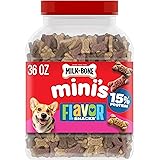
Milk-Bone Flavor Snacks Mini’s Dog Treats, 36 Oz. | 5 calories per treat, 15% protein, 3 flavors per canister (beef, chicken & bacon, naturally & artificially flavored)
$11.48 (as of September 15, 2026 03:03 GMT +00:00 - More infoProduct prices and availability are accurate as of the date/time indicated and are subject to change. Any price and availability information displayed on [relevant Amazon Site(s), as applicable] at the time of purchase will apply to the purchase of this product.)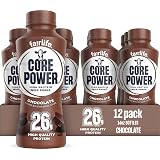













Post Comment