Doctors Are Getting Nutrition Training—But Here’s the Shocking Truth About Whether It’ll Actually Change Anything!
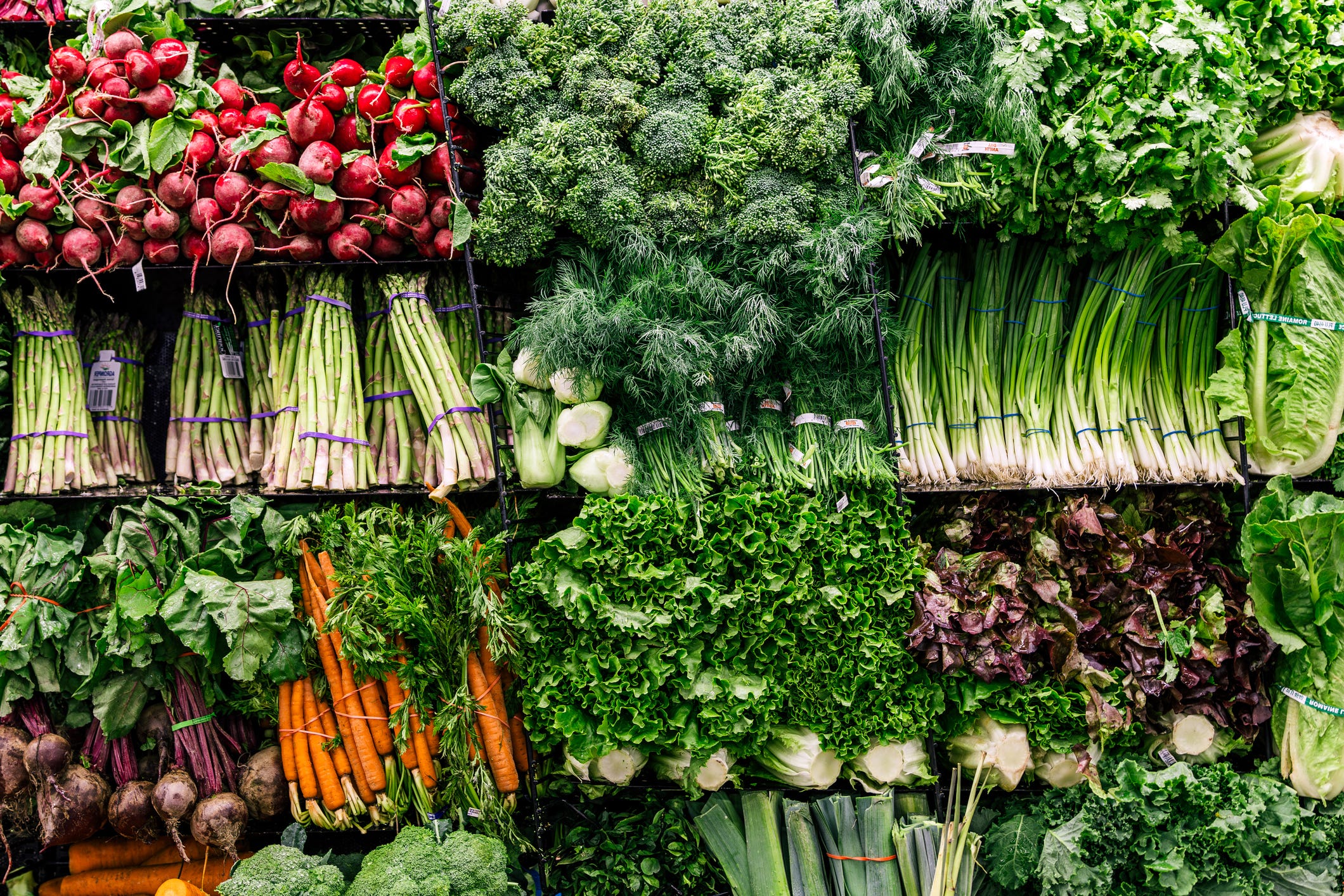
Ever found yourself sitting in a doctor’s office wondering why they’re more clued up about pills than what’s actually on your plate? Well, turns out, you’re not alone. Fifty-three medical schools have just committed to expanding nutrition education—finally addressing a glaring gap that’s been hanging around far too long. Imagine spending less time on nutrition in med school than you did learning to drive—that’s been the reality for most docs. And yet, poor diet now tops the list as the leading cause of death in the US. This isn’t just overdue; it’s crucial. But here’s the million-dollar question: will this beefed-up training actually change the game when you next see your GP? Let’s chew on that. LEARN MORE
 4 min read
Fifty-three medical schools just agreed to expand nutrition education; an agreement made at the behest of the Trump administration. That headline might not sound like much, but if you have ever sat across from a doctor who could prescribe you three medications for your blood pressure and cholesterol but could not have a meaningful conversation about what you eat, you already understand why it matters.
This is overdue. Whatever you think of the politics surrounding it, this is a change that the medical establishment should have made decades ago.
Most physicians in this country graduate with fewer than 20 hours of nutrition training across four years of medical school. That is less time than most people spend learning to drive. Meanwhile, diet-related chronic disease (heart disease, type 2 diabetes, hypertension, certain cancers) accounts for the majority of what we treat in clinical practice, and poor diet is now the single leading risk factor for death in the United States, outpacing even tobacco. We have been sending doctors into the field without one of the most fundamental tools they need. If the Make America Healthy Again movement is the catalyst that accelerates this correction, that is a good thing. This is an area where the science and the political momentum are actually pointing in the same direction.
Of course, it’s possible that your doctor already knows more about nutrition than you think. Many physicians have developed expertise through continuing education, clinical experience, or personal interest, even without formal curriculum requirements. The fact that 53 medical schools are now committing to expanded training is a signal that the profession is taking this seriously.
But will it actually change what happens in your doctor’s office?
That depends. Forty hours of nutrition education is a real commitment, but it only matters if the content is grounded in evidence and not wellness trends. And even when doctors know more about nutrition, the system still has to let them use it. Right now, most primary care visits are 15 minutes long Your doctor is managing your medications, reviewing your labs, checking your blood pressure, and asking about your mental health. There is not a lot of room left for a real conversation about what you are eating and why it matters.
So this is a step in the right direction, but you do not have to wait for the system to catch up to start the conversation. At your next visit, ask your doctor about the role nutrition plays in whatever you are managing. That is not a fringe idea. That is good medicine. A good doctor will welcome the conversation. If they can work with you on it, great. If they cannot, ask for a referral to a registered dietitian.
I need to make an important distinction here. A registered dietitian is not the same as a nutritionist, a wellness coach, or someone with a large Instagram following. There is no gatekeeping on who can call themselves a nutritionist. A registered dietitian, on the other hand, holds a graduate degree in nutritional science, has completed supervised clinical training, and is credentialed to work directly with your bloodwork, your medications, and your specific health conditions. They build plans based on your body, not a trend. If you have a chronic condition like diabetes, high blood pressure, or high cholesterol, insurance will often cover the referral. Most men never ask.
None of this is about replacing your doctor’s advice or throwing out your prescriptions. It is about adding a tool that has been missing from most medical conversations for far too long. Because the best outcomes happen when nutrition and clinical care work together, not when one replaces the other.
But it is worth remembering that this conversation is not equitably available to everyone. Millions of Americans are managing chronic disease without stable access to healthy food, without insurance that covers a dietitian, and without a doctor who has five minutes to spare. As I wrote in my book, Pandemics, Poverty, and Politics, underserved communities are often considered “food deserts” because of the lack of access to supermarkets that provide affordable and nutritious foods. The USDA defines food deserts as places where at least a third of the population lives more than one mile from a supermarket in urban areas, or more than 10 miles in rural areas. By that definition, about 19 million Americans live in a food desert. Even in highly urbanized areas like New York City, food deserts abound in low-income communities like the South Bronx, where I used to work. You cannot eat your way out of chronic disease if there is nothing worth eating within reach. In fact, what often happens is the opposite. Obesity is the 2nd most preventable cause of death in the US.
Better nutrition training for physicians is a real and necessary step. But it only closes the gap if it reaches the patients who need it most, not just the ones who are already in the room. If that matters to you, support organizations working to bring nutrition and healthcare access to underserved communities, whether that is your local food bank, a community health center, or a nonprofit doing street-level public health work. Being healthier is a good goal. Building a system where everyone has that option is an even better one.

Welch's Fruit Snacks, Mixed Fruit & Berries 'N Cherries, 0.8 oz, 60 Ct | Made with whole fruit, no artificial dyes, gluten free, 25% DV Vitamins A
$15.99 (as of September 6, 2026 03:12 GMT +00:00 - More infoProduct prices and availability are accurate as of the date/time indicated and are subject to change. Any price and availability information displayed on [relevant Amazon Site(s), as applicable] at the time of purchase will apply to the purchase of this product.)
Wellness Complete Health Pate Variety Pack Kitten Canned Wet Cat Food, Natural, Protein Rich, Grain Free, Whitefish and Chicken Recipes, 3 oz, Pack of 12 Cans
$20.89 (as of September 6, 2026 03:07 GMT +00:00 - More infoProduct prices and availability are accurate as of the date/time indicated and are subject to change. Any price and availability information displayed on [relevant Amazon Site(s), as applicable] at the time of purchase will apply to the purchase of this product.)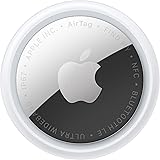
Apple AirTag (2nd Generation): Tracker for Keychain, Wallet, and More; Locator with Sound; Simple One-Tap Setup with iPhone or iPad; Key Finder with up to 1.5X Precision Finding Range
$24.00 (as of September 6, 2026 03:08 GMT +00:00 - More infoProduct prices and availability are accurate as of the date/time indicated and are subject to change. Any price and availability information displayed on [relevant Amazon Site(s), as applicable] at the time of purchase will apply to the purchase of this product.)
San Marco Coffee Whole Bean Flavored Coffee, Swiss Chocolate Almond, 2 Pound
(as of September 6, 2026 03:12 GMT +00:00 - More infoProduct prices and availability are accurate as of the date/time indicated and are subject to change. Any price and availability information displayed on [relevant Amazon Site(s), as applicable] at the time of purchase will apply to the purchase of this product.)












Post Comment