
Unlock the Hidden Danger: Which Hypertension Stage Could Be Threatening Your Life Right Now?
Ever get that moment when the nurse peeks at your arm and casually drops, “Your blood pressure is a little high,” and you’re left squinting, wondering, “Wait—how little is a little? And what now?” I mean, it’s like your body’s sending secret signals, and you’re just trying to decode the message without flipping out. Well, buckle up, because the landscape of hypertension has evolved big time, and understanding the four stages isn’t just medical mumbo jumbo—it’s your new playbook for reclaiming your health. With insights from top cardiologists, we’re breaking down what those numbers really mean, how close you might be to “uh-oh,” and the straightforward tweaks you can start TODAY to keep your ticker in top shape. Spoiler alert: it’s not all doom and gloom—there’s plenty of hope and actionable wisdom ahead. Ready to see where you stand and take control? Let’s dive in.

If you’ve been told your blood pressure reading is “a little high,” you might be wondering what that really means and what, if anything, you should do about it. The good news: Today’s doctors have a clearer roadmap than ever for understanding and managing hypertension at every level. Keep reading as top doctors explain what the four stages of hypertension are and the simple ways you can lower your blood pressure and regain control of your health.
What are the 4 hypertension stages?
As our understanding continues to grow, medicine evolves and blood pressure guidelines are no exception, notes Judith Goldfinger, MD, FACC, a clinical cardiologist and director of vascular medicine at Mount Sinai West.
“Based on studies from the past few years, there’s now a stronger emphasis on lowering blood pressure more than we used to,” she says. “While there has been, and still is, concern about blood pressure dropping too low, current evidence suggests we can safely aim for lower levels to help prevent cardiovascular events, with less concern about overtreatment than before.”
That’s good news for so many of us, adds preventive cardiologist Elizabeth Klodas, MD. “Hypertension (HTN) is highly prevalent—about 120 million Americans have stage 1 hypertension or higher, or are on medications to control their readings.” Here, she shares what’s considered the “new normal” reading (measured in millimeters of mercury) as well as the four stages of hypertension.
Hypertension stages chart:
| Systolic (top number) | Diastolic (bottom number) | |
| Normal blood pressure | Less than 120 mmHg | Less than 80 mmHg |
| Elevated blood pressure (aka prehypertension) | 120 to 129 mmHg | Less than 80 mmHg |
| Stage 1 hypertension | 130 to 139 mmHg | 80 to 89 mmHg |
| Stage 2 hypertension | 140 mmHg or higher | 90 mmHg or higher |
| Hypertensive crisis | 180 mmHg or higher | 120 mmHg or higher |
Note: A hypertensive crisis (or hypertensive emergency) requires immediate medical attention.
How to address and treat each stage of hypertension
If someone’s blood pressure is in the normal range, their doctor will typically reassure them that it’s not a concern and encourage them to maintain healthy habits—regular exercise, good sleep and a balanced diet, says Dr. Goldfinger. All of these smart routines can help reduce the risk of heart disease, heart attack or stroke.
But if your BP is elevated, you’ll likely need to make more significant lifestyle changes and/or consider medications to lower your blood pressure. Here’s what to know about each stage and how to address it.
Elevated BP
“When the systolic is between 120 and 129 mmHg, while the diastolic remains under 80 mmHg, this isn’t quite considered hypertension, but it gives doctors an opportunity to start the conversation about blood pressure much earlier,” explains Dr. Goldfinger.
While it’s an imperfect analogy, you can think of this stage like prediabetes—the reading may still seem fairly normal, but it signals some increased risk. That early warning can help inspire healthy changes, such as exercising more, getting enough sleep and eating fewer processed foods while adopting an anti-inflammatory diet. In fact, Dr. Goldfinger points out that in this elevated range, such lifestyle changes become especially important.
“One big factor is sodium intake,” she says. “Many people don’t realize how much salt is hidden in everyday foods including bread, cheese, canned goods and takeout meals. Even foods that don’t taste salty, like frozen waffles, can be surprisingly high in sodium.”
Taking the salt shaker off the table is a good start, she assures, but it’s really just the tip of the salt-berg. The bigger challenge is recognizing how much sodium is already built into processed and packaged foods and trying to eat more whole foods.
Stage 1 hypertension
“Blood pressure medications should be considered starting in stage 1,” advises Dr. Klodas. “Many people will require more than one drug to get their BP readings to goal.”
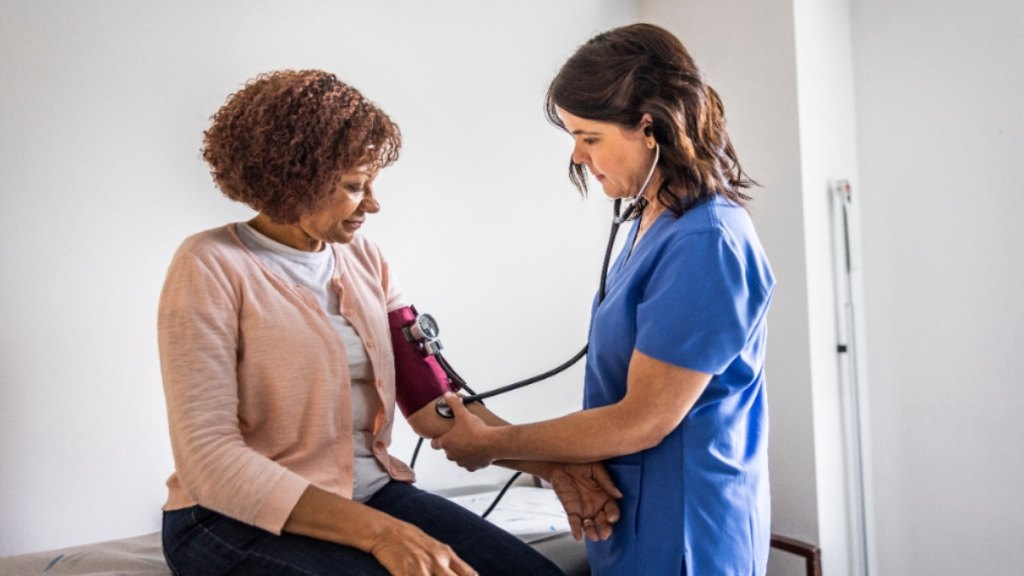
This is also the stage when it’s important to begin monitoring your blood pressure at home, adds Dr. Goldfinger. Using an arm-cuff monitor can help you track your readings over time and determine whether medication may be necessary.
Stage 2 hypertension
This is the stage where doctors typically recommend medications, explains Dr. Goldfinger, who notes that one of the best ways to treat hypertension is by using two medications at lower doses at the same time, so that two different mechanisms are addressing the problem at once.
But she points out that it’s never a one-size-fits-all approach. “It’s always about shared decision-making. If a patient says, ‘I’m willing to take one medication, but I absolutely won’t take two,’ that’s something we take into account.”
Hypertensive crisis
In a hypertensive crisis, what you should do depends on how you’re feeling, says Dr. Goldfinger. “If your blood pressure measures above 180/120 mmHg and you don’t feel well, you should contact your doctor right away. But if they can’t see you quickly, or it feels urgent, you should go to the emergency room. There, they’ll evaluate you for signs of organ damage, check lab work, do an EKG and run other tests as needed.”
When someone starts treatment for a hypertensive crisis and returns a week later, the numbers may not be perfect, but improvement matters, she notes. “For example, if their blood pressure was 190 and is now down to 150, that’s real progress. At that point, you can say, ‘This is encouraging—I can see you’re taking the medication and working to improve things.’”
Depending on the situation, you may need additional medication or your blood pressure may continue to come down with the current regimen, she adds. “Either way, the focus is on ongoing management: monitoring blood pressure at home, being mindful of sodium intake and incorporating regular exercise.”
Most importantly: If you have very high blood pressure and feel unwell—experiencing symptoms like headache, chest pain or dizziness—seek urgent medical care right away.
The bottom line on the 4 stages of hypertension
Sometimes patients feel almost embarrassed, telling Dr. Goldfinger that they went to the ER and “it was nothing.” To that she says: Don’t be embarrassed because it’s never nothing. “If you’re experiencing chest pain, a severe headache or dizziness, never ignore it,” she says. “Those symptoms need to be evaluated, and if they’re severe or concerning, that may mean seeking urgent or emergency care.” Listening to your body and taking action is taking care of yourself, and that’s always the right call.
Ready for more inspiration? Subscribe to our YouTube channel for video podcasts, health tips and uplifting stories designed for women 40, 50, 60 and beyond
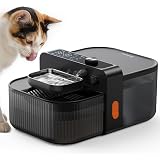
FEELNEEDY Wireless No Filters Cat Water Fountain, Wastewater Separation | Stainless Steel Bowl, 3000mAh 3.5L Pet Water Fountain for indoor Cats & Dogs Dispenser, Black
$59.99 (as of October 4, 2026 03:14 GMT +00:00 - More infoProduct prices and availability are accurate as of the date/time indicated and are subject to change. Any price and availability information displayed on [relevant Amazon Site(s), as applicable] at the time of purchase will apply to the purchase of this product.)
JBL Vibe Beam 2 - Noise Cancelling Earbuds - Black | JBL Pure Bass sound, Active Noise Cancelling with Smart Ambient, 4 mics for crisp, clear calls, Water and dust resistant
(as of October 4, 2026 03:18 GMT +00:00 - More infoProduct prices and availability are accurate as of the date/time indicated and are subject to change. Any price and availability information displayed on [relevant Amazon Site(s), as applicable] at the time of purchase will apply to the purchase of this product.)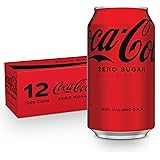
Coca-Cola Zero Sugar Soda Soft Drink Fridge Pack Cans, 12 fl oz, 12 Pack | Carbonated cola soda pop with zero calories
$7.68 (as of October 4, 2026 03:06 GMT +00:00 - More infoProduct prices and availability are accurate as of the date/time indicated and are subject to change. Any price and availability information displayed on [relevant Amazon Site(s), as applicable] at the time of purchase will apply to the purchase of this product.)
INABA Churu Cat Treats, Lickable, Squeezable Creamy Purée Cat Treat with Green Tea Extract & Taurine, 0.5 Ounces Each Tube, 50 Tubes, Tuna & Chicken Variety
$32.96 (as of October 4, 2026 03:10 GMT +00:00 - More infoProduct prices and availability are accurate as of the date/time indicated and are subject to change. Any price and availability information displayed on [relevant Amazon Site(s), as applicable] at the time of purchase will apply to the purchase of this product.)











Post Comment