
Unlock Early Spring’s Secret Garden: Beginner-Friendly Plants That Guarantee Your Green Thumb Success!
With frost warnings still lingering like a stubborn stubborn referee, many gardeners find themselves at the edge of the ring, wondering: what’s the first move in this early spring gardening match? Just like gearing up for a heavyweight bout, planting the right vegetables, flowers, and herbs early on can set you up for a knockout harvest. The secret? Cool-tolerant plants that don’t back down when the temperatures drop. Leafy greens, radishes, peas, and more are the champions in this chilly season, thriving where others would tap out. Trust me, getting these contenders in the ground early not only gets your garden fighting fit but keeps the momentum rolling until the warmer months come knocking. Ready to train your green thumb and dominate this growing season? LEARN MORE
With the last frost still in the forecast for much of the country, home gardeners are mapping out what to plant first. Early spring gardening rewards cool-tolerant picks—vegetables, flowers and herbs that get growing while the weather is still chilly.
What vegetables should you plant first in early spring gardening? Leafy greens, radishes, carrots, peas, onions, scallions and beets are among the best vegetables to plant in early spring, because they thrive in cool soil and tolerate the unpredictable temperatures of the season.
Leafy greens like lettuce, spinach and kale grow quickly in chilly conditions and can be harvested within just a few weeks. Lettuce in particular is one of the earliest vegetables gardeners can plant in spring, according to a Martha Stewart article by Madeline Buiano and Katelyn Chef. Landscape designer Ben Gordon of Metropolitan Garden and Design told the publication that harvesting the outer leaves first allows the inner leaves to keep growing, with many varieties ready to pick by April or May.
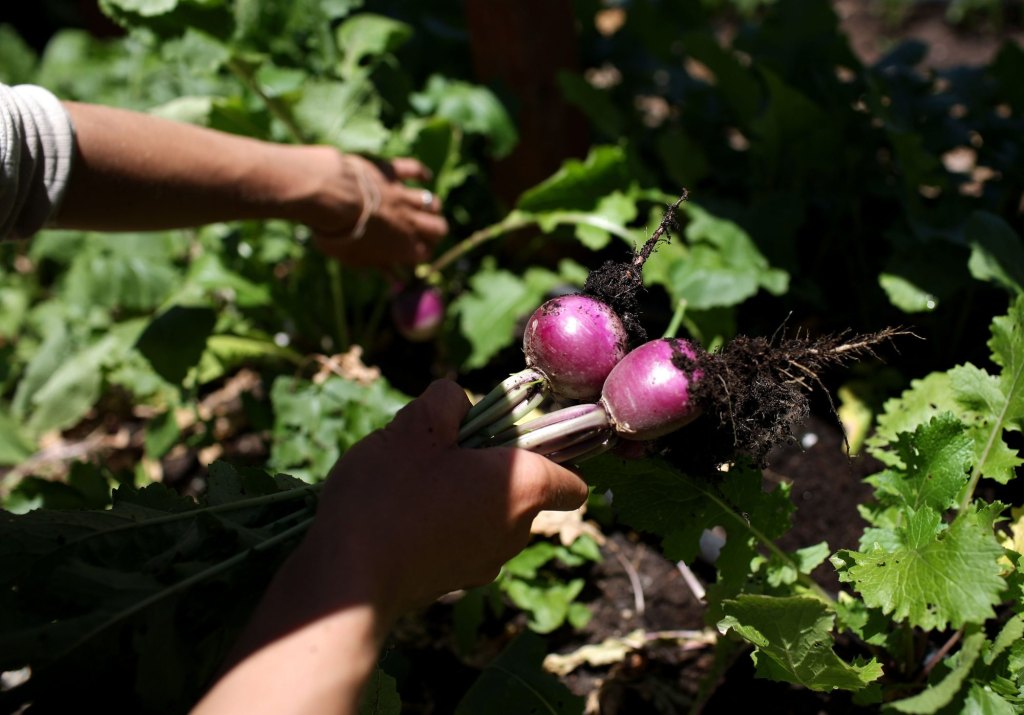
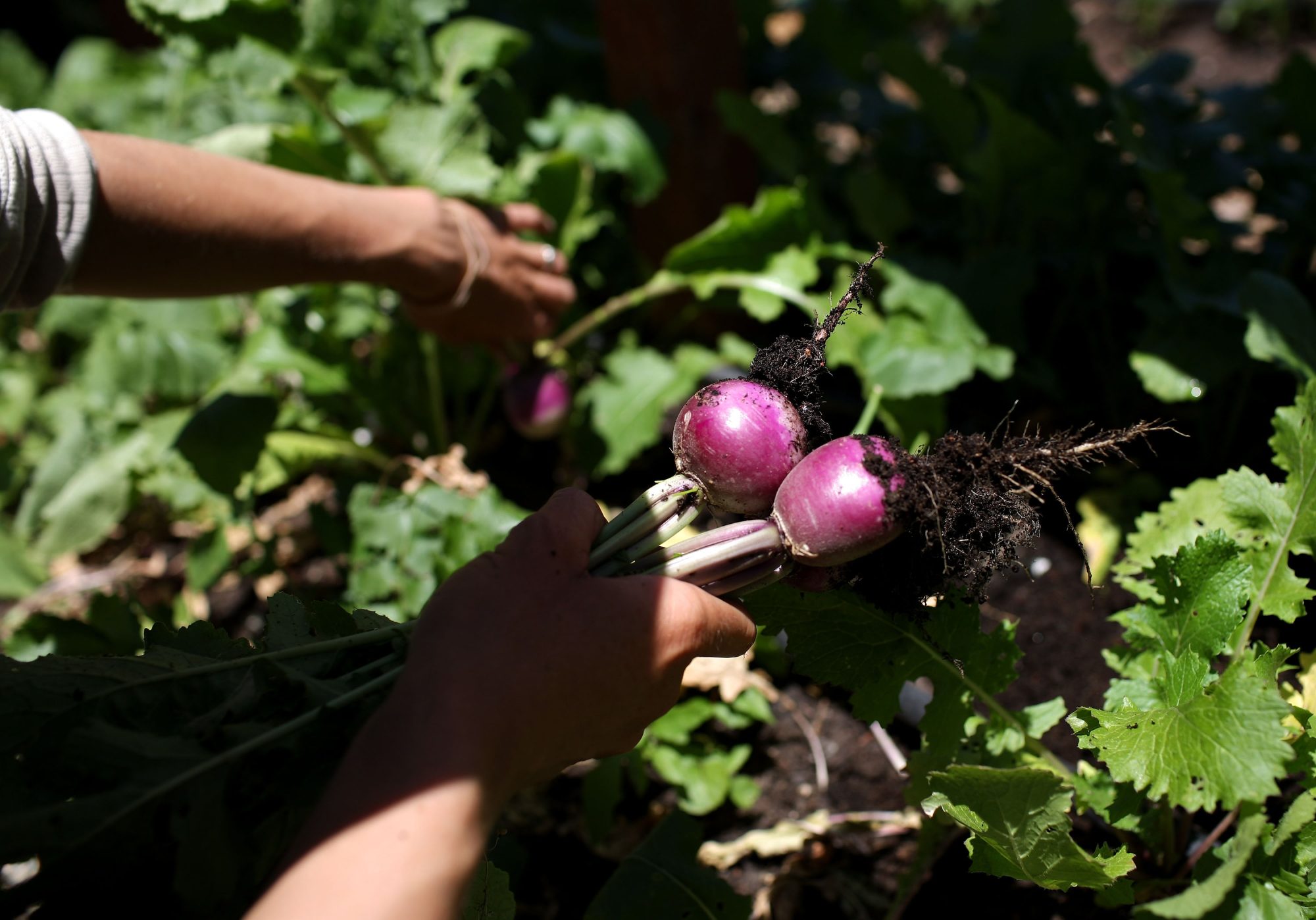
Radishes are among the fastest crops you can grow, often ready to harvest in just a few weeks after planting. That quick turnaround makes them a popular pick for impatient gardeners and a good way to fill in beds while slower-growing vegetables develop.
Carrots prefer cooler temperatures, which actually produce a sweeter flavor than carrots grown in summer heat. Peas are another cool-weather standout: they climb early trellises and tolerate light frost, making them well-suited to the back-and-forth weather of early spring.
Onions and scallions are low-maintenance and cold-tolerant, so they can go into the ground while overnight temperatures are still dipping. Beets are a versatile option because both the roots and the greens are edible, giving gardeners two harvests from a single planting.
If you’re new to spring planting, focus on a mix of these crops to spread out your harvests. Fast-growing radishes and leafy greens fill the first few weeks, then peas, carrots and beets come on as the season progresses.
Which flowers thrive in early spring gardening?
Pansies, violas, daffodils, tulips, snapdragons, sweet alyssum and sweet peas are among the flowers that thrive in early spring, because they tolerate chilly nights and bring color to the garden before warm-weather blooms arrive.
Pansies and violas survive cold snaps and add early color to beds and containers. Daffodils and tulips are classic spring bloomers, though they’re typically planted earlier in the season—usually in fall—so the bulbs have time to chill before sending up flowers.
Snapdragons tolerate cooler temperatures and keep blooming for weeks, making them a reliable pick for early spring borders. Sweet alyssum stays low to the ground and is friendly to pollinators, which can help the vegetable garden nearby.
In warmer early spring regions, marigolds can be planted to help deter pests later in the season, though they tend to do their best work once temperatures climb.
Sweet peas are another standout. Writing for Good Housekeeping, garden writer Arricca Elin SanSone describes the flower this way: “This old-fashioned favorite vines beautifully up a trellis, showing off its delicate, sweetly-scented blooms in shades of white, pink, lavender and fuchsia. Plant the seeds about 6 to 8 weeks before the last expected frost in your area.”
That timing matters. Early spring planting gives sweet peas the cool nights they need to establish strong roots before summer heat shuts them down. The same logic applies to most of the flowers on this list: cool-season bloomers want to be in the ground while temperatures are still mild, not after a heat wave has rolled through.
What herbs grow best in cool spring weather?
Parsley, cilantro, chives, dill and mint are the herbs best suited to early spring planting, because they handle cool soil and, in some cases, actually prefer it to summer heat.
Parsley is one of the most cold-tolerant herbs in the garden. It can go in the ground while overnight temperatures are still dipping, and it’ll keep producing leaves into the warmer months.
Cilantro is a must for early spring planting because it bolts—meaning it flowers and goes to seed—quickly in heat. Getting it in the ground while the weather is cool gives you a longer window of usable leaves before it sends up flower stalks. Successive plantings every few weeks can extend the harvest.
Chives come back year after year with little effort, making them one of the lowest-maintenance herbs you can grow. Once established, they’ll send up their slim green stems and edible purple flowers each spring without any prompting.
Dill grows quickly in cooler temperatures and works well alongside crops like carrots in the spring garden. Like cilantro, it doesn’t love extreme heat, so early planting buys you more time to harvest.
Mint spreads easily—sometimes too easily. It’s best grown in containers to keep it from taking over a garden bed. If you’ve ever planted mint directly in the ground and watched it colonize half the yard, you already know why container planting is the safer call.
For new gardeners, herbs are a forgiving entry point. They tolerate small spaces, do well in pots and reward you with fresh ingredients within weeks of planting.
Which cold-hardy plants survive early spring frost?
Kale, spinach, broccoli seedlings, cabbage, Swiss chard and peas are among the most reliable cold-hardy plants for early spring gardens, capable of handling frost and cool soil that would stop warm-weather crops in their tracks.
Kale is a workhorse in the cold-hardy category. It tolerates frost, keeps producing leaves over a long stretch of the season and actually tastes sweeter after a light freeze. Spinach behaves similarly—it grows fast in cool soil and bolts once temperatures climb, so early spring is the right window.
Broccoli seedlings can be transplanted into the garden before the last frost date in most regions, as long as they’ve been hardened off, meaning gradually exposed to outdoor conditions over a week or so. Cabbage follows the same pattern: tough seedlings handle cold snaps and produce full heads by late spring or early summer.
Swiss chard is one of the more versatile cold-hardy crops. Its colorful stems and large leaves are both edible, and it keeps producing through cool weather and into the heat of summer if you keep harvesting outer leaves.
Peas round out the list. They handle light frost, climb early trellises and produce sweet pods that are best eaten close to picking. Plant them as soon as the soil can be worked.
For gardeners in colder regions, these crops form the foundation of a productive early spring. They let you start the growing season weeks before tomatoes and peppers can safely go in the ground—and they free up garden space for warm-weather crops once they’ve been harvested.
Sparkling Ice, Black Raspberry Sparkling Water, Zero Sugar Flavored Water, with Vitamins and Antioxidants, Low Calorie Beverage, 17 fl oz Bottles (Pack of 12)
$12.47 (as of October 19, 2026 03:10 GMT +00:00 - More infoProduct prices and availability are accurate as of the date/time indicated and are subject to change. Any price and availability information displayed on [relevant Amazon Site(s), as applicable] at the time of purchase will apply to the purchase of this product.)
Purina Fancy Feast Gravy Lovers, Poultry & Beef Wet Cat Food, 3oz, 24-Pack | Variety Pack, grilled gourmet texture made with no artificial colors or preservatives, 100 percent complete and balanced
$22.86 (as of October 19, 2026 03:12 GMT +00:00 - More infoProduct prices and availability are accurate as of the date/time indicated and are subject to change. Any price and availability information displayed on [relevant Amazon Site(s), as applicable] at the time of purchase will apply to the purchase of this product.)
STRELLALAB Hemp Calming Chews for Dogs - Stress, Anxiety Relief Treats | Advanced Relaxing Support Supplement w/ Melatonin - Separation, Barking, Fireworks & Travel - All Breeds, Sleep Aid (120Ct)
$17.91 (as of October 19, 2026 03:22 GMT +00:00 - More infoProduct prices and availability are accurate as of the date/time indicated and are subject to change. Any price and availability information displayed on [relevant Amazon Site(s), as applicable] at the time of purchase will apply to the purchase of this product.)
BassBloom Roar 3 Portable Bluetooth Speaker,IPX6 Waterproof,20W | Powerful Sound with JIKE Bass,24H Playtime,Bluetooth 5.4,RGB Lights,Wireless TWS Pairing,Outdoor for Camping
$17.99 (as of October 19, 2026 03:33 GMT +00:00 - More infoProduct prices and availability are accurate as of the date/time indicated and are subject to change. Any price and availability information displayed on [relevant Amazon Site(s), as applicable] at the time of purchase will apply to the purchase of this product.)













Post Comment