How One Small Brewery Defied the Odds to Crush Industry Giants and Scale Explosively—Here’s Their Untold Playbook
Ever wondered what it takes to turn a humble craft brewery—started in a garage or a spare corner of a warehouse—into a powerhouse in the beer industry? It’s no secret that craft beer has bubbled up into a booming market, tempting countless enthusiasts to dive in and share their passion with the world. But transforming that passion into a competitive, production-ready business? Well, that’s an art and a science rolled into one. From choosing the perfect spot for your brewery to making savvy operational calls, every step can either make or break your dream. And let’s not forget the magic behind the scenes—the beer bottling lines—that keep pace with your growth while keeping each bottle just as crisp and flavorful as the last. Ready to crack open the secrets of scaling your craft brewery the right way? Let’s pour into the nitty-gritty of what truly makes a small brewery flourish into a standout success story. LEARN MORE
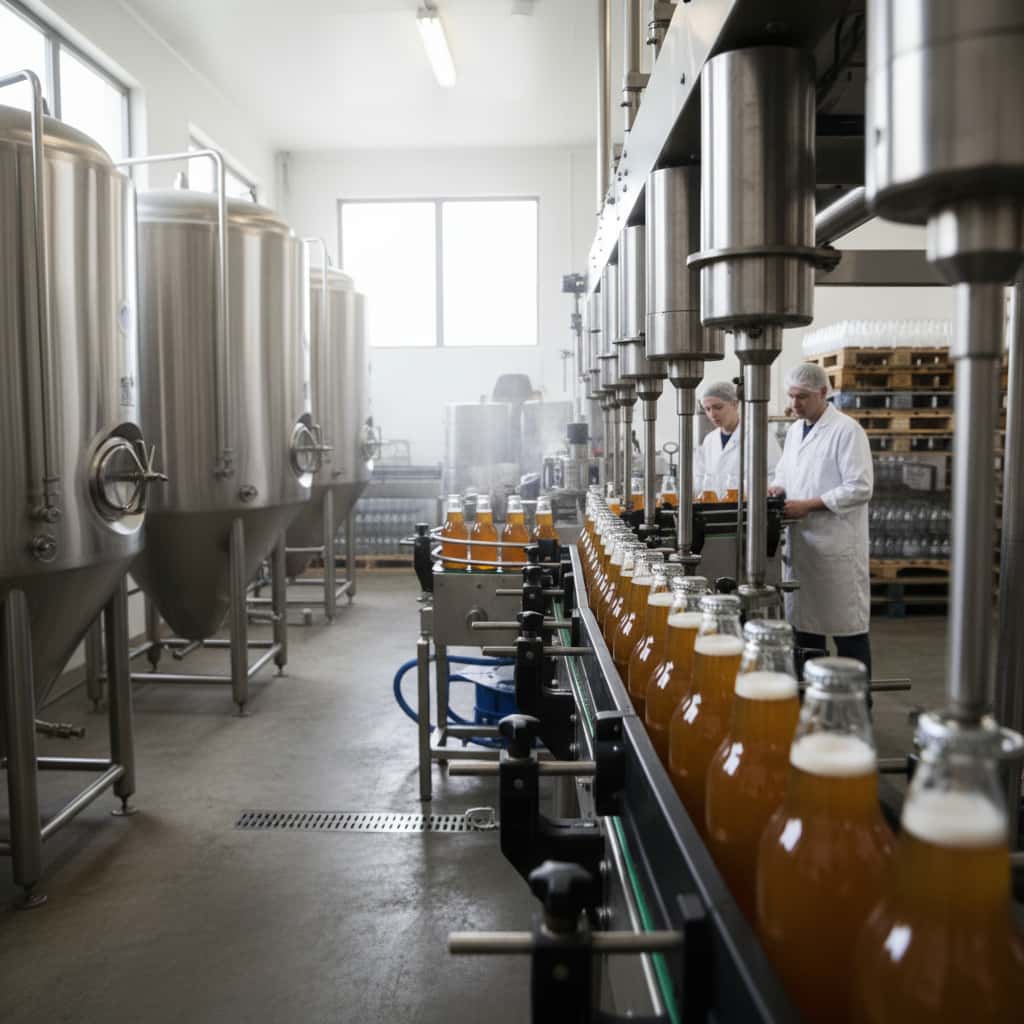
In recent years, the craft beer industry has experienced a remarkable surge in popularity, with small breweries popping up across the globe. These microbreweries, often started by passionate beer enthusiasts, have the potential to grow into competitive production businesses. However, transforming a small brewery into a thriving enterprise requires strategic planning, operational excellence, and a keen understanding of the market. This article delves into the key operational decisions that shape the launch and growth of a craft brewing company, and the critical role of beer bottling lines in scaling output and maintaining product consistency. By exploring these aspects, we aim to provide a comprehensive guide for aspiring brewers looking to make their mark in the competitive world of craft beer.
Key Operational Decisions for Craft Brewery Growth
Launching a craft brewery involves a series of critical operational decisions that can significantly impact its success. One of the first decisions is selecting the right location. A brewery’s location can influence its accessibility to raw materials, proximity to target markets, and potential for foot traffic. Urban areas might offer a larger customer base, while rural settings could provide cost advantages and unique branding opportunities.
Another crucial decision is determining the scale of production. Starting small allows for manageable growth and minimizes initial investment risks. However, having a clear vision for scaling up is essential. This involves planning for future equipment upgrades, expanding brewing capacity, and potentially diversifying product lines to meet market demands.
Financial planning is also paramount. Craft breweries must carefully manage their budgets, considering costs such as equipment, ingredients, labor, and marketing. Securing funding through loans, investors, or crowdfunding can provide the necessary capital to support growth initiatives.
Moreover, regulatory compliance is a significant consideration. Navigating the complex landscape of alcohol production laws, health and safety regulations, and environmental standards is crucial to avoid legal pitfalls and ensure smooth operations.
The Role of Beer Bottling Lines in Scaling Output
As a brewery grows, maintaining product consistency and meeting increased demand become critical challenges. This is where beer bottling lines play a pivotal role. These systems are designed to efficiently package beer into bottles, ensuring uniformity across batches and packaging formats.
Investing in a high-quality bottling line can significantly enhance a brewery’s production capabilities. Automated bottling lines streamline the packaging process, reducing labor costs and minimizing the risk of human error. They also offer flexibility in handling different bottle sizes and types, allowing breweries to cater to diverse consumer preferences.
Consistency is key in the craft beer industry, where consumers expect the same taste and quality with every purchase. Bottling lines equipped with advanced technology ensure precise filling, capping, and labeling, preserving the beer’s flavor and carbonation. This consistency not only satisfies customers but also strengthens brand reputation and loyalty.
Furthermore, efficient bottling operations can improve a brewery’s supply chain management. By optimizing packaging processes, breweries can better manage inventory, reduce waste, and enhance distribution efficiency, ultimately leading to increased profitability.
Conclusion
Building a small brewery into a competitive production business is a multifaceted endeavor that requires careful planning and execution. Key operational decisions, such as location selection, production scaling, financial management, and regulatory compliance, lay the foundation for growth. Additionally, investing in advanced beer bottling lines is crucial for scaling output and maintaining product consistency, which are essential for meeting consumer expectations and achieving long-term success.
By understanding and addressing these critical aspects, aspiring brewers can navigate the challenges of the craft beer industry and position their breweries for sustainable growth and competitiveness. With passion, dedication, and strategic foresight, small breweries can transform into thriving production businesses, contributing to the vibrant and diverse world of craft beer.
<!–
–>

Wireless Earbuds Bluetooth Headphones, 50H Playtime Ear Buds with Mic and LED Digital Display Charging Case, IPX7 Waterproof in-Ear Earphone for iPhone Andriod Phone - Pitch
(as of July 9, 2026 02:59 GMT +00:00 - More infoProduct prices and availability are accurate as of the date/time indicated and are subject to change. Any price and availability information displayed on [relevant Amazon Site(s), as applicable] at the time of purchase will apply to the purchase of this product.)
Amazon Basics Dog Poop Leak Proof Bags with Dispenser and Leash Clip, Unscented, 13" x 9" Large Size, 300 Count
$10.96 (as of July 9, 2026 02:38 GMT +00:00 - More infoProduct prices and availability are accurate as of the date/time indicated and are subject to change. Any price and availability information displayed on [relevant Amazon Site(s), as applicable] at the time of purchase will apply to the purchase of this product.)
Milk-Bone Soft & Chewy Dog Treats, Made with Real Beef & Filet Mignon, 25 Ounce Canister
$14.47 (as of July 9, 2026 02:38 GMT +00:00 - More infoProduct prices and availability are accurate as of the date/time indicated and are subject to change. Any price and availability information displayed on [relevant Amazon Site(s), as applicable] at the time of purchase will apply to the purchase of this product.)
Muddy Mat® | Super Water Absorbent Door Mat Indoor, Microfiber Quick Dry Chenille Entryway Rug, Slip Resistant Front Door Mat, Indoor Mats for Entryway, Machine Washable Pet Rug, Grey 30"x19"
$24.95 (as of July 9, 2026 02:49 GMT +00:00 - More infoProduct prices and availability are accurate as of the date/time indicated and are subject to change. Any price and availability information displayed on [relevant Amazon Site(s), as applicable] at the time of purchase will apply to the purchase of this product.)














Post Comment