Could Crushing a High-Intensity Workout Be the Secret Weapon to Halting Panic Attacks Instantly?
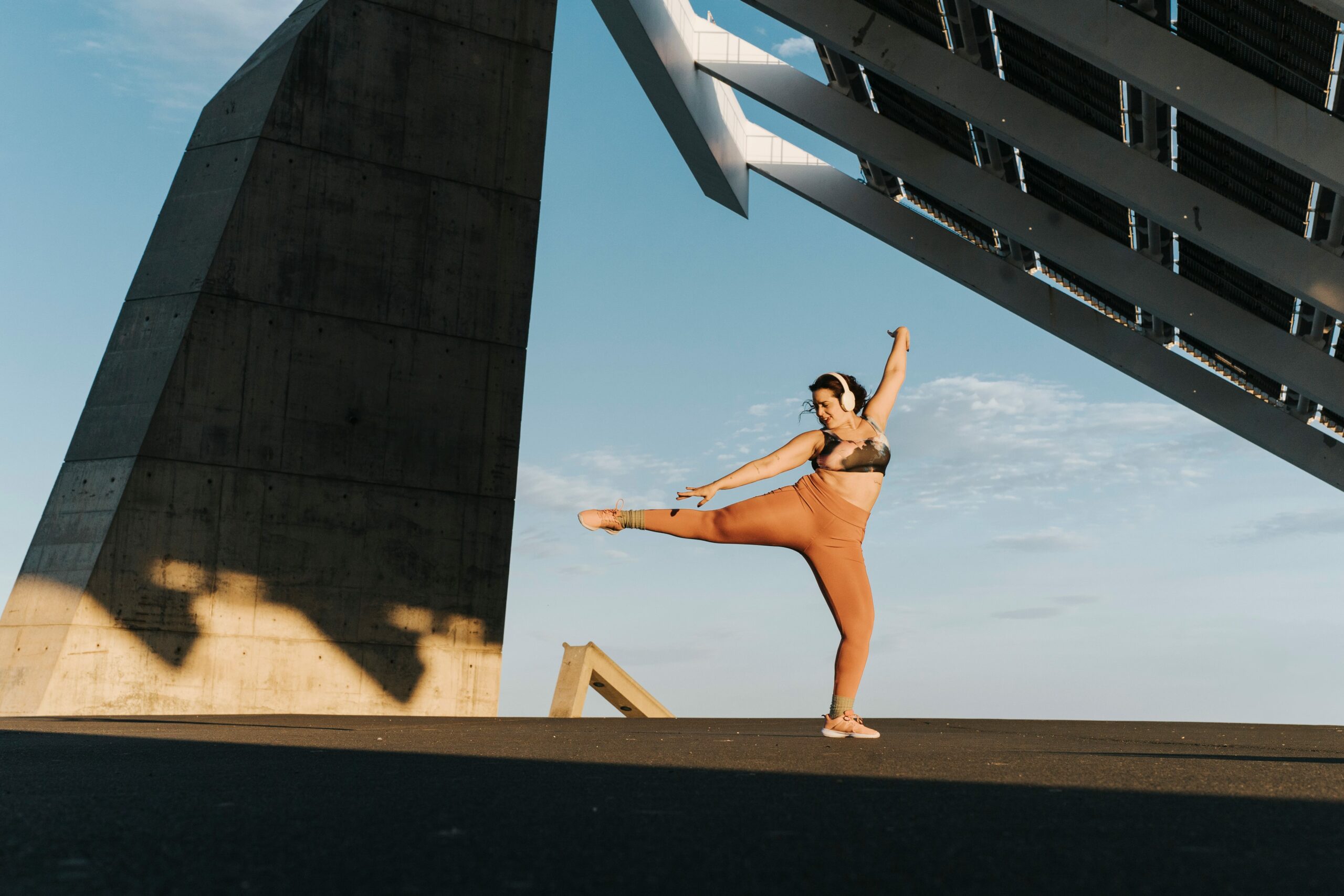
Ever find yourself in the clutches of a panic attack and think, “Maybe a little kickboxing could do the trick”? Well, you’re not alone—and it turns out, there’s more to this idea than just fighting fire with fire. Audri Pettirossi, aka “Dri” over on TikTok, has been flipping the script on panic attacks by throwing on her pajamas and hopping into some serious ’90s-style Tae Bo workouts. Sounds wild, right? But here’s the kicker: high-intensity moves might just be the unexpected weapon against that heart-pounding, breath-stealing grip of panic. I mean, who thought breaking a sweat could actually help settle your nerves instead of fraying them further? Let’s unravel the science and see what a pro has to say about this punchy approach to mental health relief. Ready to step up? LEARN MORE
 4 min read
“Are you currently having your nightly panic attack? Me too. So let’s do some Tae Bo.”
Audri Pettirossi, who goes by “Dri” on TikTok, usually opens her social media videos along these lines. Almost every night for the past few weeks, she’s posted a video of herself doing a Tae Bo workout in her pajamas. Pettirossi suffers from OCD and panic attacks, and uses Tae Bo videos online to help with her panic symptoms. Her comment sections are full of people who are trying Tae Bo for themselves, and finding that it helps them with their panic attacks, too.
Invented by karate champion and infomercial star Billy Blanks, Tae Bo is a ‘90s workout phenomenon that blends taekwondo, rhythmic boxing, aerobics, and dance. Many of Blanks’ vintage home workout videos are available to watch for free on YouTube, where he leads a group in choreography that involves kicking, punching, jumping, and stepping to the rhythm of up-tempo dance music. It’s high-intensity, and will leave you feeling sweaty and out of breath by the end—pretty much the opposite of the slow, measured breathing exercises you’d normally associate with quelling panic attacks and anxiety.
So, does the Tae Bo method have any merit? And, can upbeat fitness really stop a panic attack in its tracks? Here’s what a therapist thinks.
Meet the expert: Aleksandra Rayska, PhD, is a clinical psychologist in New York City who specializes in somatic and dance therapy.
It turns out, Tae Bo girl is onto something.
When you have a panic attack, your brain releases heaps of adrenaline and cortisol (often called “the stress hormone”) into your bloodstream, triggering that terrifying fight-or-flight sensation. When you work out, you also experience a cortisol spike, but it’s temporary—and those levels actually decrease back to your baseline (or below it!) right after, says Aleksandra Rayska, PhD, a clinical psychologist in New York City who specializes in somatic therapy. Plus, when you exercise, your brain gets an immediate boost of serotonin and dopamine (the feel-good neurotransmitters), she adds.
Though working out in a state of oncoming panic may seem counterintuitive (and it’s definitely not for everyone), the physiological benefits of exercise directly counteract the brain’s fear response. “It sometimes works to match fire with fire, and speed up in order to slow down,” says Rayska.
Think about it: If you’re already in the throes of a panic attack, then the idea of slowing your breathing and controlling your thoughts might feel completely unfathomable. Jumping into a quick exercise, however, can be an opportunity for your body to work with adrenaline instead of against it. Plus, moving your body can be a welcome distraction when you’re experiencing acute panic or anxiety.
Exercise can also be incredibly self-regulating; when you’re spiraling, going through the motions of an exercise you love can feel comforting and calming. What’s more, your body has a natural cortisol come-down after exercising; your nervous system intuitively knows to slow down after a lot of exertion, take a rest, and reset, says Rayska. When you take all of this into consideration, it makes sense why workouts—especially high-intensity ones—could serve as the perfect counter for a panic attack.
High-intensity exercise can also help decrease panic attacks in the long term. In a 2026 study in Frontiers in Psychiatry, researchers split 72 people who suffer from panic disorders into two exercise groups for 12 weeks: one with stretching, jogging, and intermittent sprinting; and one with deep breathing and relaxing different muscle groups. The study found that the high-intensity exercise group had larger improvements in their panic symptoms, even five months after the study.
Try the seven-day WH+ Ultimate HIIT Challenge.
How to Use Fitness to Curb a Panic Attack
You can think of fitness as a tool, not a treatment for panic attacks and anxiety, Rayska says. It can be a helpful coping mechanism, but to really get to the root of your panic and improve your long-term anxiety, it’s best to work with a licensed therapist.
That said, exercise is certainly a tool worth using to support mental well-being. While high-intensity workouts might work for some, slower movements like yoga work just as well for others. You can stick with whatever intensity you like—just pick the kind of exercise that feels calming, familiar, and fun. “Playfulness can really feel regulatory. It can signal to our nervous system that things are fine and safe, and there’s nothing to be on guard about,” says Rayska.
Throwing on an upbeat fitness video—whether it be Tae Bo or a Peloton biking class—can be so beneficial. Moving in sync with others, even through the digital ether, can generate a sense of connection that helps calm your nervous system, says Rayska. And, you don’t have to worry about making up exercises on your own when you have a digital coach walking you through it. (Consider it one less thing to worry about.)
It’s worth highlighting that dance, especially, has been shown time and time again to effectively reduce stress and promote self-esteem and resilience, per a 2025 review in Psychology in Sports and Exercise. Plus, it’s accessible. Music is an important factor, too: Matching your movements to the beat of a song can feel almost like a rhythmic breathwork in and of itself. The predictability of rhythm can even help you access more of a “flow state” and leave the panic behind, says Rayska. When in doubt, turn on your favorite music and dance it out.
Halle Newman is a freelance journalist and copywriter based in New York City. When she’s not writing, she’s probably strolling through Central Park with a matcha or trying out a new dance class.
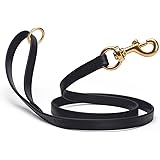
Viper Biothane K9 Working Dog Leash Waterproof Lead for Tracking Training Schutzhund Odor-Proof Long Line with Solid Brass Snap for Puppy Medium and Large Dogs 6ft, Black
$24.99 (as of July 9, 2026 02:49 GMT +00:00 - More infoProduct prices and availability are accurate as of the date/time indicated and are subject to change. Any price and availability information displayed on [relevant Amazon Site(s), as applicable] at the time of purchase will apply to the purchase of this product.)
Amazon Fire TV Stick 4K Plus (newest model) with AI-powered Fire TV Search, Wi-Fi 6, stream hundreds of thousands of movies and shows, free & live TV, find shows faster with Alexa+
(as of July 9, 2026 02:53 GMT +00:00 - More infoProduct prices and availability are accurate as of the date/time indicated and are subject to change. Any price and availability information displayed on [relevant Amazon Site(s), as applicable] at the time of purchase will apply to the purchase of this product.)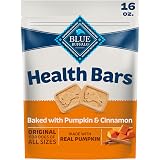
Blue Buffalo Health Bars Pumpkin & Cinnamon Crunchy Dog Biscuits, Oven-Baked with Pumpkin & Natural Ingredients, Healthy Dog Treats with No Artificial Flavors or Preservatives, 16 oz.
$4.98 (as of July 9, 2026 02:38 GMT +00:00 - More infoProduct prices and availability are accurate as of the date/time indicated and are subject to change. Any price and availability information displayed on [relevant Amazon Site(s), as applicable] at the time of purchase will apply to the purchase of this product.)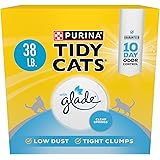
Purina Tidy Cats Lightweight Cat Litter, Clumping Multi Cat, Glade Clear Springs Odor Control, Low Dust, 38 lb. Box
$25.99 (as of July 9, 2026 02:48 GMT +00:00 - More infoProduct prices and availability are accurate as of the date/time indicated and are subject to change. Any price and availability information displayed on [relevant Amazon Site(s), as applicable] at the time of purchase will apply to the purchase of this product.)










Post Comment