The Truth About “Male Menopause”: Myths Shattered and What Your Body is Really Telling You

So, you’re noticing the greys creeping in, energy dipping, and maybe your mojo’s taking a little vacation – and suddenly, the question hits you: “Wait, do men go through something like menopause?” Well, buckle up, because this ain’t your typical midlife crisis story. Menopause is one heck of a biological milestone – one exclusive to women – and calling what happens to men “male menopause” is kinda like comparing apples to… well, something totally different. Sure, our testosterone levels do take a slow slide as we age, but it’s a gradual climb, not an abrupt jump off the cliff. What’s really going on beneath the surface is a nuanced hormonal dance, with plenty of twists and turns that might sting a bit if left unchecked. So, if you’re feeling off, it’s worth digging deeper rather than chalking it all up to just “getting older.” Ready to unravel the mystery of male hormones and what “male menopause” really means? Let’s dive in. LEARN MORE.

Everybody feels their body change as they age, and it can be hard to tell what’s normal. In particular, if you’re a man feeling changes in your energy levels or libido as you get a little more gray in your whiskers, you might question whether your hormones are behaving normally. This might then lead you to wonder if men go through their own kind of menopause like women do.
The short answer? No. Menopause is a specific biological event that’s unique to women. But the phrase “male menopause” is sometimes used as a shorthand to describe what men really do experience: age-related changes in their hormones. We’ll go over what those changes look like below.
There’s no true “male menopause,” but men’s testosterone does decrease naturally
There are a few reasons why “male menopause” is a misleading term for what men experience. The first is that menopause refers to the end of a woman’s reproductive years – something that there’s no equivalent for in men.
The other reason is that the hormone changes women experience in the lead up to menopause are very different from the ones that men experience as they age. In the years leading up to menopause, women’s estrogen levels naturally begin to drop, but can fluctuate significantly even as they trend downward. This can lead to a range of menopause symptoms like mood swings, hot flashes and more.
By comparison, men’s testosterone levels generally decrease gradually, by an average of 1-2% per year starting around their mid-30s, although the start and rate of this decrease can be affected by certain health conditions, medications and other factors like physical fitness. And unlike menopause, which is a universal stage of life for women, doctors only attach a label to a man’s decreasing testosterone when it’s proven to be both:
- Lower than expected for his age
- Causing symptoms
In these cases, it may be referred to as testosterone deficiency, male hypogonadism, or late-onset hypogonadism (if it’s strictly the result of aging). You may also see people use the term “andropause” to describe age-related declines in testosterone.
What feels like symptoms of “male menopause” may be low testosterone or something else
Testosterone supports many aspects of men’s health, including muscle mass, energy and desire. So if your levels are especially low, it may very well be noticeable. That said, low testosterone doesn’t always cause symptoms.
Studies estimate that 40% of men over the age of 45 and 50% of men in their 80s have male hypogonadism. So while many men may experience low testosterone eventually, many others (including older men) don’t fit the criteria. Many symptoms of male hypogonadism can also be caused by other health conditions, which is why it’s important to talk with your doctor about what you’re experiencing.
Symptoms that most commonly indicate male hypogonadism include:
- Fewer spontaneous erections
- Hot flashes
- Increased tiredness or fatigue
- Low sperm count (resulting in infertility)
- Reduced armpit and pubic hair
- Reduced sexual desire (libido)
Other symptoms male hypogonadism can cause include:
- Depression
- Erectile dysfunction
- Loss of hair on body and face
- Increased body fat and reduced muscle
- Osteoporosis (low bone density)
- Sleep pattern disruptions
- Trouble concentrating
Men may not experience menopause, but that doesn’t mean nothing’s happening
If you’re experiencing symptoms that could be due to male hypogonadism or another health condition, talk with a doctor. A primary care doctor with expertise in men’s health can help rule out other possible causes and refer you to a sexual health specialist, urologist or endocrinologist if more tests are needed.
Many of the health factors that contribute to low testosterone can be reversed, and even if it turns out that age-related hormone changes aren’t the problem, your doctor can recommend lifestyle changes or other treatments that may help you feel better.

FUJIFILM Instax Mini Instant Film Twin Pack (White), 20 Photos | The instax film ensures sharp
$18.17 (as of September 25, 2026 03:14 GMT +00:00 - More infoProduct prices and availability are accurate as of the date/time indicated and are subject to change. Any price and availability information displayed on [relevant Amazon Site(s), as applicable] at the time of purchase will apply to the purchase of this product.)
Soundcore by Anker Q20i Hybrid Active Noise Cancelling Headphones, Black | Over-Ear, Bluetooth, 40H ANC Playtime, Hi-Res Audio, Big Bass, Transparency Mode, Customize via App, Travel, Home, Office
$44.99 (as of September 25, 2026 03:14 GMT +00:00 - More infoProduct prices and availability are accurate as of the date/time indicated and are subject to change. Any price and availability information displayed on [relevant Amazon Site(s), as applicable] at the time of purchase will apply to the purchase of this product.)
Bloom Nutrition Zero Sugar Energy Drink, Apple Crisp, 12oz 12pk | 180mg natural caffeine with prebiotics, green tea extract & lychee for energy, focus and feel-good refreshment.
$24.99 (as of September 25, 2026 03:05 GMT +00:00 - More infoProduct prices and availability are accurate as of the date/time indicated and are subject to change. Any price and availability information displayed on [relevant Amazon Site(s), as applicable] at the time of purchase will apply to the purchase of this product.)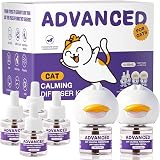
Cat Calming Diffuser Kit with 2 Diffusers & 4 Refills (48mL Each), Cat Pheromones Calming Diffuser for Cat Anxiety Relief, Stress Reduction & Behavior Support, 30-Day Refills, Suitable for All Cats
$33.99 (as of September 25, 2026 03:11 GMT +00:00 - More infoProduct prices and availability are accurate as of the date/time indicated and are subject to change. Any price and availability information displayed on [relevant Amazon Site(s), as applicable] at the time of purchase will apply to the purchase of this product.)












Post Comment