
Why DIGI’s Bold Push to Slash Alcohol Excise Duty Could Rewrite the Rules of Beverage Business!

Ever wondered why that pint of beer in Ireland feels like it’s carrying a secret tax burden heavier than the buzz it promises? Turns out, Ireland’s sitting pretty—or perhaps not so prettily—with the second-highest excise duty on alcohol in Europe, just nudged out by Finland. This isn’t just a number on a spreadsheet; it’s a economic headache with real-world repercussions. From pubs shuttering their doors to locals wondering if their beloved watering holes can survive the toll of taxes that gobble up nearly half the price of a bottle of wine. The Drinks Industry Group of Ireland (DIGI) is ringing alarm bells, calling for a 10% cut in excise duties, painting a dire picture of pubs fading away and the broader hit on breweries and distilleries. So, how did we get here, and what’s the cost—not just in euros, but to Irish culture itself? Dive into the deeper story behind these staggering figures and the call for change. LEARN MORE
Ireland continues to have the second-highest rate of excise duty in Europe, research commissioned by the Drinks Industry Group of Ireland (DIGI) shows.
The study, conducted for DIGI by DCU economist Anthony Foley, found that the level of excise tax on beer, spirits and wine is highest in the EU and UK bar Finland.
Per 100 litres of per alcohol, Ireland charges an average of €3,458 compared to Finland’s €4,630 and slightly ahead of the UK’s €3,403. Conversely, Bulgaria takes €251 in excise duties per hectolitre.
When broken down by category, excise on wine in Ireland is the second-highest in the EU and UK, while excise on beer and spirits is the third-highest.
A pint of beer purchased in Ireland attracts excise of 55c compared to just 5c in Spain and Germany while a 70cl bottle of whiskey is levied with €11.92, or more than half of the purchase price, compared to €2.69 in Spain and €3.65 in Germany.
Excise makes up €3.19 of the average €11 price for a bottle of wine in an off-licence in Ireland. When VAT of €2.06 is included, 48% (€5.25) of the overall purchase price goes directly to the government.
The rate of tax charged on an €8.50 glass of wine in a bar or restaurant is somewhat lower but still makes up €2.39 of the purchase price, when excise of 80c and VAT of €1.59 are combined.
By contrast, 14 European countries don’t charge any excise at all on wine, including Spain, Portugal, Italy, Germany and Greece. France, meanwhile, charges just 1c on a standard glass of wine.
DIGI has said the high rate of excise is one of the main factor behind pub closures in Ireland in recent years and has called for a 10% reduction in excise in the upcoming Budget.
“Today’s report confirms that the level of tax levied on alcohol on Ireland is far above most of our European neighbours.
“While there may have been some argument for this when Irish alcohol consumption was among the highest in Europe, consumption has dropped to average European levels in recent years.
“As a result, the main impact such high taxes are having now is simply to make our pubs too expensive for locals and tourists alike and to push them out of business,” he said.
“The government needs to wake up to the reality that super high taxes on alcohol are killing our pub industry,” said Donall O’Keeffe, secretary of DIGI.
“Irish pubs are celebrated around the world and are often the only community hub in isolated communities, yet the government seems to be content to tax them out of existence.

“High excise also has a negative impact on associated businesses such as breweries, distilleries and off-licenses.
“The rapid decline of the Irish pub will only gather pace unless the government wakes up to this reality. That is why DIGI is calling for an immediate 10% cut in excise in this year’s Budget.”
(Pic: Getty Images)
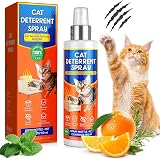
reatoy Cat Deterrent Spray for Furniture Protection, Anti Scratch and Urine Marking, Plant-Based Safe Formula for Indoor & Outdoor 150ML
$19.98 (as of October 21, 2026 03:22 GMT +00:00 - More infoProduct prices and availability are accurate as of the date/time indicated and are subject to change. Any price and availability information displayed on [relevant Amazon Site(s), as applicable] at the time of purchase will apply to the purchase of this product.)
Banana Bunch (4-5 Count)
(as of October 21, 2026 03:12 GMT +00:00 - More infoProduct prices and availability are accurate as of the date/time indicated and are subject to change. Any price and availability information displayed on [relevant Amazon Site(s), as applicable] at the time of purchase will apply to the purchase of this product.)
INABA Churu Cat Treats, Lickable, Squeezable Creamy Purée Cat Treat with Green Tea Extract & Taurine, 0.5 Ounces Each Tube, 50 Tubes, Tuna & Chicken Variety
$32.96 (as of October 21, 2026 03:12 GMT +00:00 - More infoProduct prices and availability are accurate as of the date/time indicated and are subject to change. Any price and availability information displayed on [relevant Amazon Site(s), as applicable] at the time of purchase will apply to the purchase of this product.)
ALOHA Organic Plant Based Protein Bar | Peanut Butter Chocolate Chip, 12 Ct | 14g Plant-Based Protein, 10g Fiber, 5g Sugar | No Sucralose or Stevia | Non-GMO, Vegan & Dairy Free
$20.57 (as of October 21, 2026 03:12 GMT +00:00 - More infoProduct prices and availability are accurate as of the date/time indicated and are subject to change. Any price and availability information displayed on [relevant Amazon Site(s), as applicable] at the time of purchase will apply to the purchase of this product.)














Post Comment